
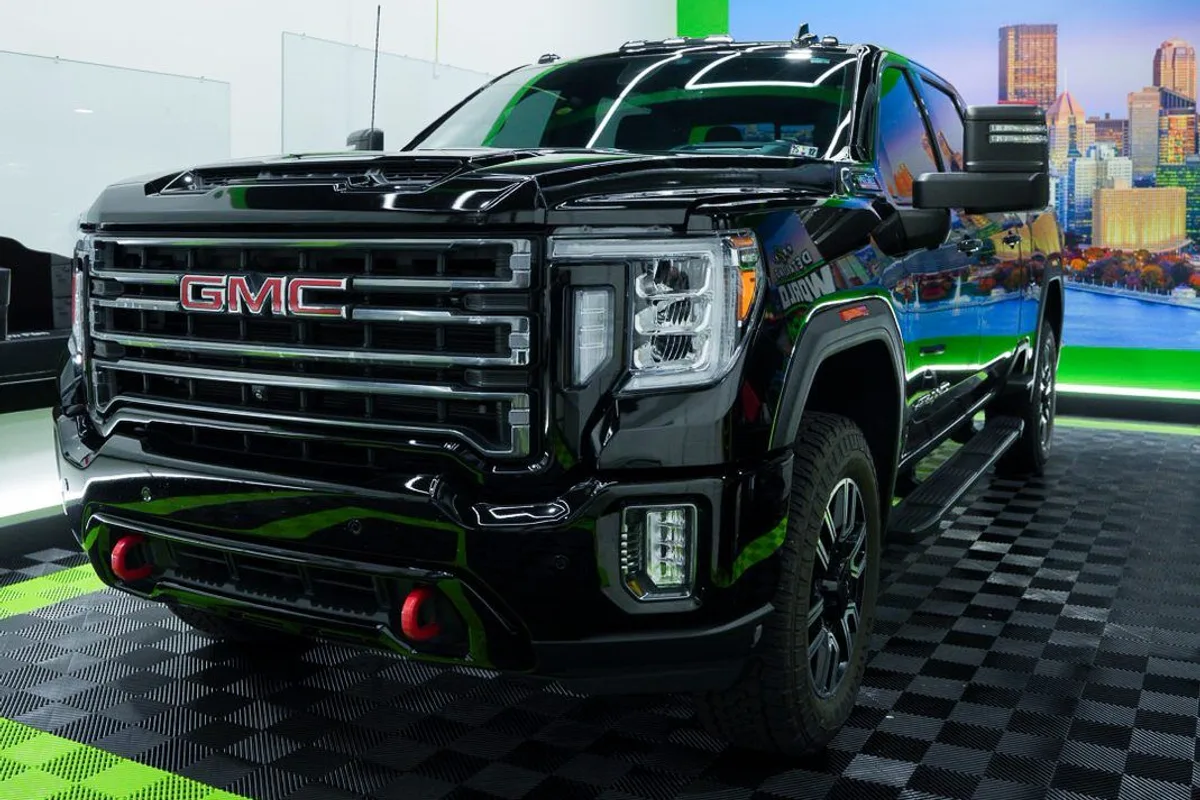
New car paint protection starts with the paint itself. A new vehicle’s finish is often in good condition, and ceramic coating, paint protection film (PPF) and wax all work by helping preserve that starting point. They don’t do the same job, though, and none of them fixes defects that are already there.
Four steps put the decision in order: inspect the paint, decontaminate it, correct it only if it needs correcting, then choose protection that matches how you drive. This guide is for new-vehicle owners and lessees weighing new car paint protection before they commit to anything.
Is a New Car’s Paint Really Flawless?
New paint is usually in good shape, but it isn’t always flawless. A new vehicle can pass through several hands before it reaches you. It’s built, transported, stored, washed and prepared for delivery. Along the way, it can pick up light marks from washing and handling, plus surface contamination from transport or storage. Many owners are surprised to see fine swirl marks or dull patches in direct sunlight on a vehicle with very low mileage.
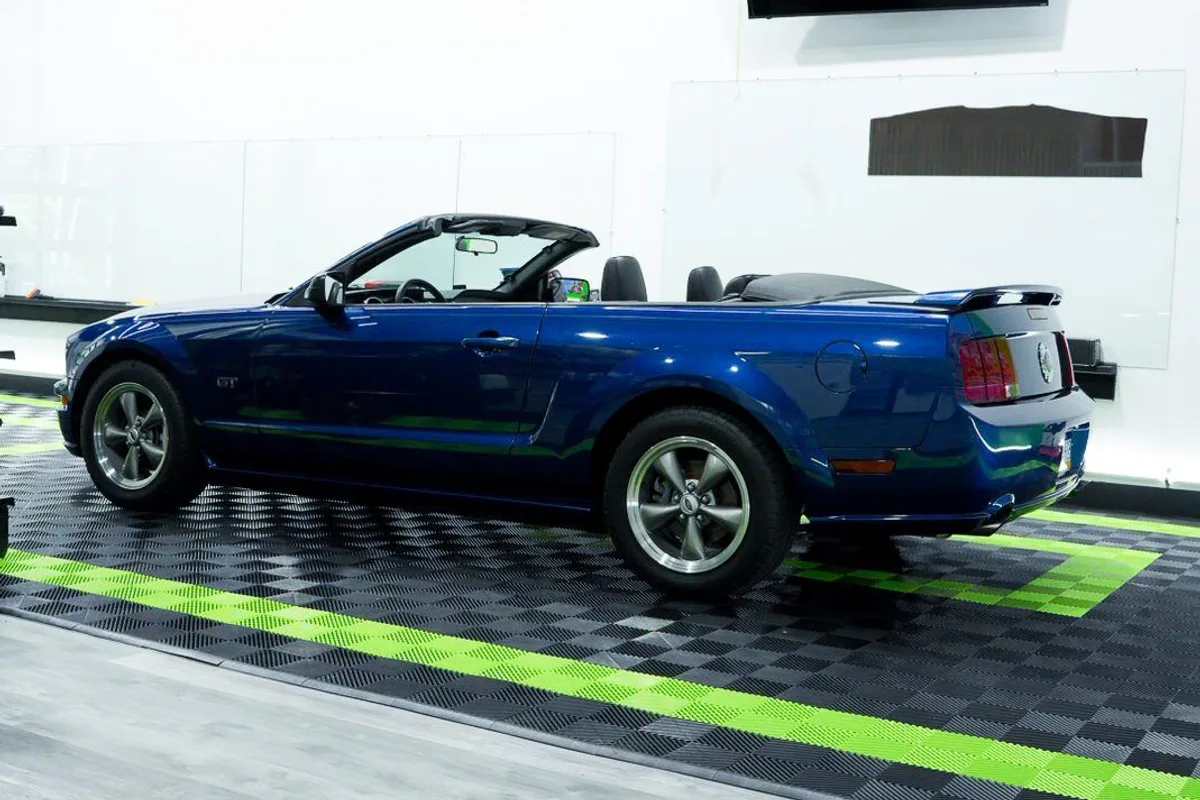
That doesn’t mean every new vehicle has a problem, and it doesn’t mean the dealer did anything wrong. It means the paint should be judged on its actual condition, not on the odometer. Paint in excellent shape is the best candidate for protection, because protection preserves the condition it’s applied to. Paint with defects deserves a closer look first, since a coating or film applied over defects can leave them visible.
When Should You Protect New Paint?
Earlier protection can help preserve more of the original finish, but there’s no universal deadline. Plenty of owners protect paint a year or two after purchase. Doing it later just means the starting point may have more wear and could call for additional preparation first.
Why the First Few Months Matter
New paint can start in excellent condition, but every week of driving, parking and washing can expose it to wear. Protecting early helps preserve a good starting point rather than trying to restore it later.
There’s a practical reason, too. Once you’ve taken delivery, you’re starting to build the habits that determine how paint looks over time: where you park, how you wash and what kind of roads you drive. It’s easier to start good habits than to change bad ones.
Before You Drive Away or Weeks Later?
Neither timing is wrong. Some owners arrange protection before taking delivery, and others do it weeks or months afterwards. Doing it earlier leaves less time for defects to appear, but it also means deciding before you’ve lived with the vehicle. Doing it later gives you a clearer picture of how you actually use the car, at the cost of some wear in the meantime.
If you’re tempted to rush, remember that preparation decides the result. A properly inspected, cleaned and, where needed, corrected surface matters more than how quickly protection goes on. Ask the installer whether they recommend any waiting period for a new vehicle before you book.
How to Prepare New Paint Before You Protect It
Preparation follows one order: inspect, decontaminate, then correct only if needed. Skipping ahead is how protection ends up sealing in problems.
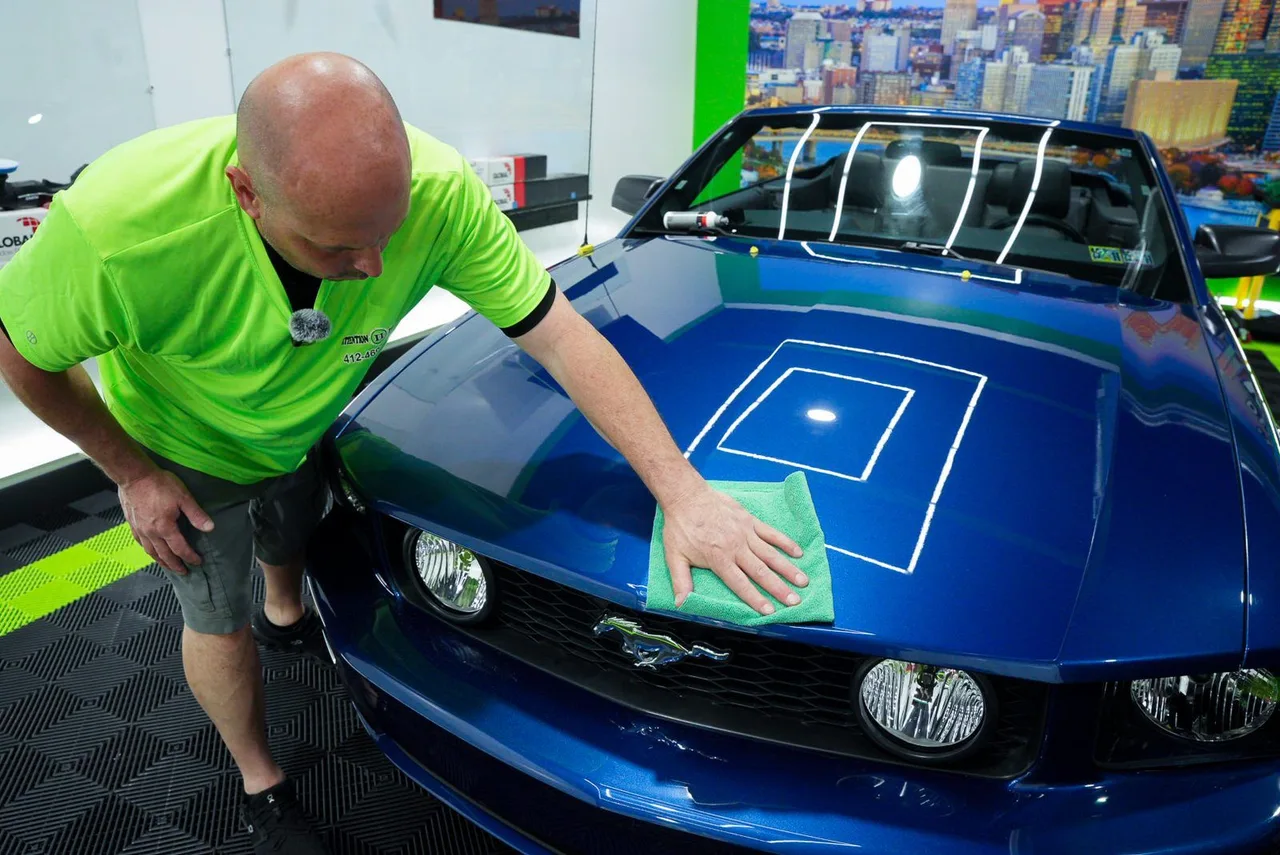
Step 1: Inspect the Paint
Inspection starts with good light, outdoors in direct sun or under a strong light. Before deciding anything, work through these checks.
- Low-angle panel check. Look along each panel from a low angle for swirl marks, scratches and dull patches.
- High-visibility panels. Study the hood, roof and trunk lid, where defects are easiest to see.
- Surface check. After the vehicle has been properly washed, feel for rough, gritty areas that may suggest bonded contamination, using a suitable clean method that won’t mar the paint.
- Chip check. Note any chips, especially on the front bumper, hood edge and mirrors.
- Lower-body check. Look at the lower doors and rocker panels, where road debris collects.
Taking phone photos at delivery gives you a record of how the paint looked and something to compare against later.
Step 2: Clean and Decontaminate
Even a brand-new vehicle often needs decontamination beyond a basic wash. Surface contamination that doesn’t rinse off sits on the paint and makes it feel rough, and decontamination steps such as iron removal and clay treatment address that residue when needed. They’re common parts of preparing contaminated paint for protection.
Skipping this stage can contribute to disappointing results. Protective products depend on a properly prepared surface, and contamination left beneath them can affect the finish.
Step 3: Decide Whether Correction Is Needed
Paint correction polishes out defects that sit in the clear coat, while a new vehicle in clean condition often needs little or none. On one with visible swirling or dull patches, correction before protection makes sense, because protection otherwise leaves those imperfections visible.
More correction isn’t better. Each polishing pass removes a small amount of clear coat, so the goal is the minimum needed for a good result, and many new vehicles need only a light polish. For more on what correction does and doesn’t do, see the Paint Correction service page.
Which Protection Fits: Wax, Ceramic Coating or PPF?
Paint protection falls into three broad categories, and each does a different job.
Wax and Sealant
Wax and sealant are the lowest-commitment options. They add a thin protective layer that improves gloss and makes washing easier, but they wear down over time and need reapplying. They suit owners who enjoy regular maintenance and don’t want a longer-term product.
Ceramic Coating
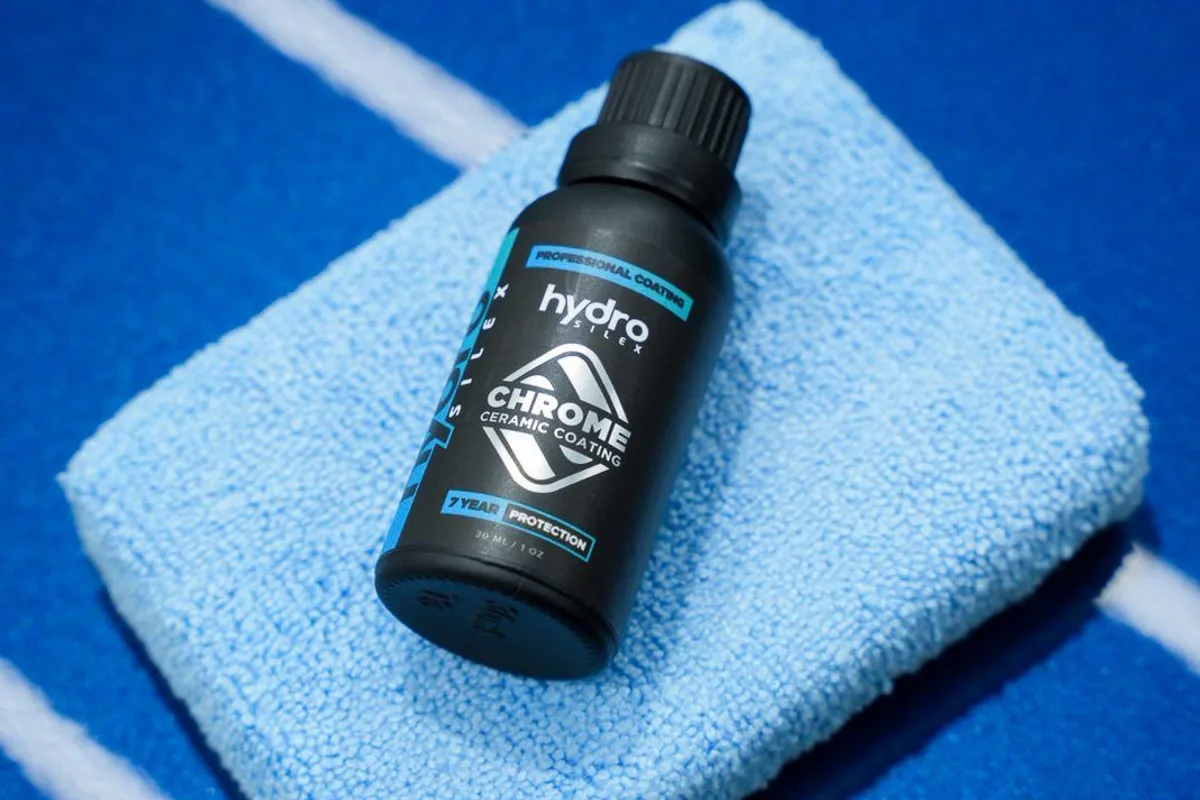
Ceramic coating is a liquid polymer that bonds to the paint and adds a protective layer that helps with UV exposure, staining and easier cleaning. It doesn’t make paint scratch-proof, and it doesn’t absorb impact from rock chips. Coated vehicles still need regular washing. The Ceramic Coating service page explains what coating is designed to do and what it isn’t.
Paint Protection Film
Paint protection film is a physical layer applied to the paint that helps protect against rock chips, road debris and light abrasion. It’s a different type of protection from ceramic coating, and neither replaces the other. If you’re weighing whether film is worthwhile, explore the Paint Protection Film service to understand the protection available.
Combining Options
Many owners use more than one. Film handles impact-prone areas, coating can add easier cleaning on compatible surfaces, and good washing habits support both. The right setup depends on how and where you drive, and compatibility should be confirmed with the installer.
Matching the Problem to the Option
The simplest way to compare options is to start from the problem you’re trying to solve.
| If Your Main Worry Is… | The Option That Usually Addresses It |
|---|---|
| Fine scratches and swirl marks from washing | Good washing habits, plus correction if marks already exist |
| Staining, UV exposure and easier cleaning | Ceramic coating, or wax and sealant for shorter-term protection |
| Rock chips and road debris | Paint protection film on impact-prone areas |
| Wanting several of these at once | A combination, chosen around your priorities |
None of these makes paint indestructible, and each works best on properly prepared paint.
Which Areas Matter Most for Film?
Film doesn’t have to cover the whole vehicle, so it helps to know which areas take the most abuse.
- Front bumper and hood edge. These are exposed to rock chips and road debris.
- Mirrors. They’re frequently hit by debris and often chipped.
- Fenders and door edges. They’re exposed to chips and to damage from door contact.
- Rocker panels and lower doors. They take spray and gravel from the road.
- Door handle cups and loading areas. They collect fingernail scratches and scuffs.
Which areas are worth covering depends on your driving. What’s right for one vehicle may be overkill for another.
What New Car Paint Protection Doesn’t Do
No protection option makes paint indestructible, and several common assumptions need correcting.
- Ceramic coating isn’t impact protection. It helps with staining, UV exposure and cleaning. It doesn’t absorb rock chips.
- Protection doesn’t hide defects. Applying it over visible swirls or dull patches can leave those defects visible, so consider correction first.
- Protection doesn’t replace washing. It reduces certain risks and makes some things easier, but washing, parking and handling habits still shape how the paint looks.
- Preparation can’t be skipped. Skipping necessary decontamination undermines whichever product goes on top.
- A product name isn’t a guarantee. Choose based on what a product actually does, not what it’s called.
Owners also ask whether the factory finish will last on its own. Factory paint is designed to protect the vehicle, but it isn’t immune to scratches, chips, contamination or sun exposure. Protection is about helping preserve it for longer, and plenty of owners decide good washing habits are enough.
Local driving raises a similar question. A vehicle that stays in a garage and makes short trips faces different risks from one on the highway every day, which is why it’s worth matching protection to how you drive rather than buying whatever is most advanced.
The First Few Washes Set the Pattern
Early washing habits shape how new paint holds up, whatever protection you choose. Rinse before touching the paint, use clean microfiber tools, avoid dragging dirt across the surface and dry gently. Avoid brush-style automatic washes where possible, since they can add fine scratches to new paint.
If you’ve had a coating or film installed, follow the care instructions you’re given. Requirements differ between products and installers.
Leases, Resale and the Interior
Your lease contract, not the protection you choose, decides what counts as excess wear. Paint and surface damage standards vary, so check the lease terms before assuming anything. Protection may help preserve condition, but it’s no substitute for understanding the contract.
Resale Value
Well-kept paint generally presents better when you sell. That said, there’s no guarantee that any treatment raises resale value by a specific amount.
Don’t Forget the Interior
Paint gets most of the attention, but a new interior benefits from early care too. Quality floor mats protect carpets from dirt, moisture and salt. Regular vacuuming stops grit from wearing into fibers, and spills are far easier to deal with when they’re fresh. Fabric and leather care products vary in what they do, so choose them carefully and follow the instructions.
When Protection Isn’t Necessary
Not every new vehicle needs professional protection. If you keep the vehicle garaged, drive mostly short local trips, wash carefully and plan to sell within a short time, regular washing and a basic wax or sealant may be all you want. Protection is a tool for people who want it, not a requirement.
The right choice depends on your priorities, your budget and how you use the vehicle. An honest shop should explain whether a lighter option fits better.
Questions to Ask Before Choosing New Car Paint Protection
Straight answers from a shop tell you what to expect before you commit. Bring this checklist.
- Inspection. What will you check on the paint before recommending anything?
- Correction. Does my vehicle need correction, and how much?
- Limits. What does each protection option do, and what doesn’t it do?
- Coverage. Which areas would you suggest covering if I want film?
- Aftercare. How should I wash and care for the vehicle afterwards?
Frequently Asked Questions
Does a new car need paint protection?
Not necessarily. It depends on how you drive, where you park and how much you want to preserve the paint. Careful washing and a basic wax or sealant are enough for some owners.
Should I choose ceramic coating or PPF for a new car?
They do different jobs. Coating helps with staining, UV exposure and easier cleaning, while film is a physical layer that helps protect against rock chips and road debris. Some owners use both.
Does new paint need correction before coating?
It depends on the condition. Many new vehicles need little, but visible swirling or dull patches are better addressed before protection is applied.
How soon after buying should I protect the paint?
There is no fixed deadline. Earlier protection preserves a good starting point, but plenty of owners protect later. Confirm any waiting-period guidance with the installer.
Will paint protection help when I return a leased car?
Paint protection helps preserve exterior condition, though lease terms for excess wear vary, so check your contract rather than assuming.
Can I wax a new car myself?
Yes. Wax and sealant are among the most DIY-friendly options, though they need regular reapplication and good preparation.
Explore New Car Paint Protection With Attention II Detail
Whether you’re considering Ceramic Coating, Paint Correction or Paint Protection Film, the right starting point is the actual condition of your new vehicle. Attention II Detail serves drivers in West Mifflin and the Pittsburgh area.
Call (412) 469-9020 to discuss your options, or explore our Ceramic Coating services to learn more about professional paint protection. For related local guidance, explore professional auto detailing in West Mifflin, automotive window tinting, what paint correction removes and leaves behind, protecting your car from winter road salt, contact our Pittsburgh-area studio, and ceramic coating near Pittsburgh, PA.


