

Road salt won’t ruin a vehicle overnight, but salt, brine and grit that sit on paint, wheels and the undercarriage for weeks can do real damage, especially once moisture reaches exposed metal. The best way to protect your car from road salt is mostly habits rather than products: regular rinsing, a clean underside, attention to chips and protection that suits how you drive.
Four areas take the brunt of a Pennsylvania winter: paint, wheels, the undercarriage and the interior. Each needs a different kind of care, and smart washing, realistic protection choices and a short seasonal routine cover most of it, which is what West Mifflin drivers should prepare for before winter road conditions become more demanding.
Why Road Salt Is Hard on Vehicles
Road salt is hard on vehicles because it combines moisture, residue and abrasive grit in a single layer of spray. Roads in Pennsylvania are commonly treated with salt and brine to help melt ice and improve traction. That’s good for driving safety, but it leaves a mixture of salt, moisture and grit on everything the road throws up at your vehicle.
Salt itself isn’t a magic corrosive, but in the presence of moisture it can accelerate corrosion on exposed metal, and it leaves visible white residue on paint, glass, trim and carpet. Grit adds a second problem. Sand and cinders mixed in with treated roads can be abrasive, which is why washing a heavily soiled vehicle carelessly can add scratches on top of the salt problem. Each part of the vehicle feels that mix of chemical exposure, moisture and abrasion differently.
What Salt Does to Different Parts of Your Vehicle
Salt affects four areas of a vehicle differently: paint, wheels, the undercarriage and the interior.
Paint and Clear Coat
A thin film of salt and road grime dulls paint and makes it look hazy, particularly along the lower panels where spray collects. That film holds moisture against the surface. Paint with chips or deep scratches is more vulnerable because exposed metal underneath can start to corrode where moisture and salt reach it. Intact clear coat is a good barrier, but any break in it matters.
Wheels and Brakes
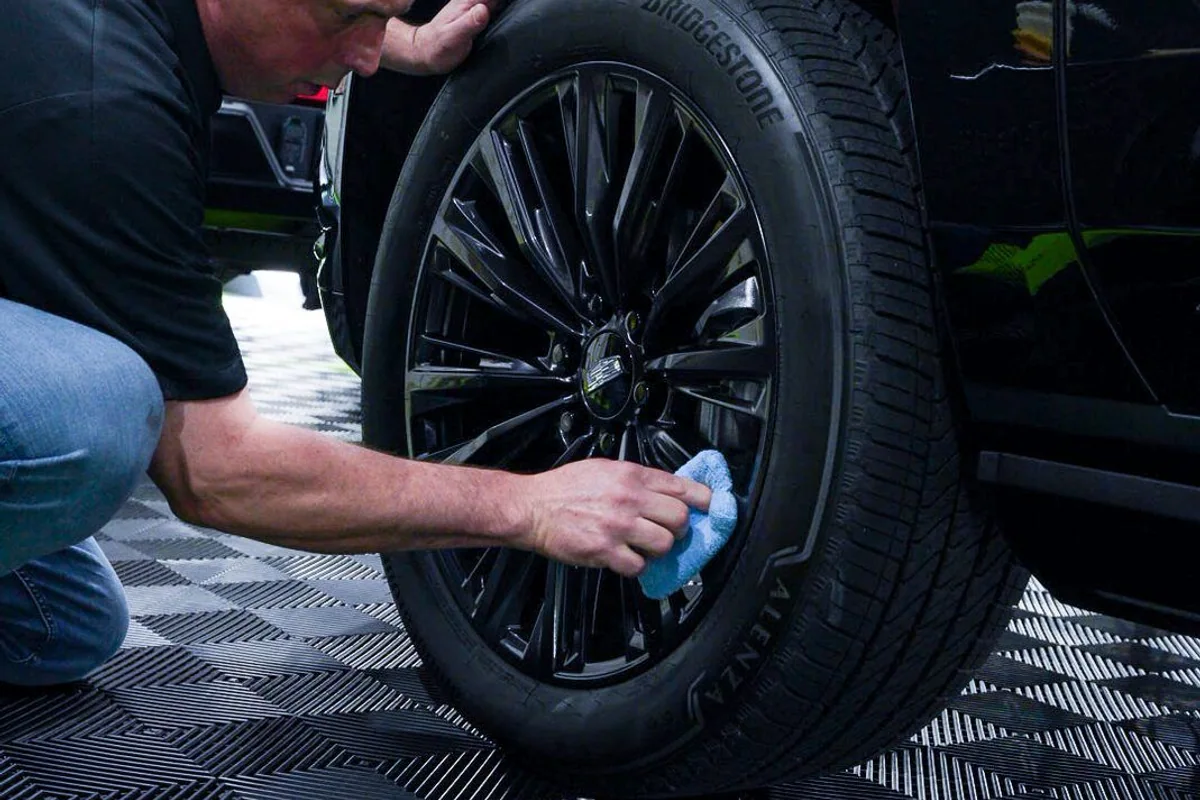
Wheels sit closest to the spray, so they collect the stubbornest mix of brake dust and salt. Wheel finishes with chips or curb damage can allow corrosion to start underneath, so rinse wheels and wheel wells during winter washes.
Undercarriage
The underside tends to collect the most salt, out of sight. Corrosion on suspension, brake and exhaust components develops out of sight, so a regular underbody rinse is one of the most practical things you can do. No wash or product replaces a proper mechanical inspection of those parts. Detailing isn’t a substitute for mechanical maintenance.
Interior
Salt comes inside on boots, pant legs and floor mats. Once it dries into carpet it leaves white, crusty stains, and trapped moisture can lead to odors.
How to Wash Your Vehicle During Winter
A winter wash works by shortening how long salt sits on the vehicle, not by following a rigid schedule. You don’t need to wash daily, and you shouldn’t wash in conditions that cause problems such as freezing locks. Six principles keep it simple:
- Wash when it’s practical. Many owners rinse more often after storms that follow heavy road treatment, because waiting weeks lets residue accumulate.
- Rinse the underbody and wheel wells. Many self-serve and automatic washes offer an underbody option that reaches areas hand washing can’t.
- Rinse before you touch the paint. Loose grit is what causes scratches, and pre-rinsing reduces how much gets dragged across the surface.
- Dry door seals, locks and jambs. Water left in seals can freeze and make doors stick.
- Avoid hot water on cold glass or paint. Extreme temperature differences can be harsh on surfaces.
- Choose the wash method with care. Brushes loaded with grit can leave swirl marks on many vehicles.
None of these requires special equipment, and none depends on what protection the vehicle has. They simply reduce how long salt stays on.
Is Washing in Winter Worth It If the Vehicle Gets Dirty Again?
Yes. A vehicle that gets dirty again after a wash has still spent less total time carrying salt. A vehicle that’s clean in the morning can be coated in spray by evening, but the point of a winter wash isn’t to stay spotless. It’s to stop salt and grit from sitting for weeks, particularly in the lower panels, wheel wells and underbody.
Hand Wash, Touchless or Brush Wash?
Each wash method trades paint gentleness against convenience. The four common options compare like this.
| Method | Where It Helps | Where It Falls Short |
|---|---|---|
| Careful hand wash | Gentlest on paint when done with clean tools | Isn’t always practical in freezing weather |
| Touchless automatic wash | Avoids brushes, which is easier on paint; underbody rinses are often available | Relies on stronger chemicals and may leave a thin film in heavily soiled areas |
| Brush-style automatic wash | Convenient and often quick | Brushes can hold grit from previous vehicles and add swirl marks to some finishes |
| Self-serve bay | Lets you control the rinse and reach wheel wells and the underbody | The foaming brushes in many bays are best avoided on paint |
Whatever you choose, rinsing salt off is generally more important than finding a perfect method.
How to Protect Your Car From Road Salt Before Winter Starts
Protection starts before the first heavy salting, with a clean vehicle and a close look at the paint. A few steps taken early make later washing easier and reduce risk.
Start With a Clean, Inspected Vehicle
A thorough wash before winter removes accumulated contamination and lets you inspect the paint. Look for rock chips and deep scratches, especially on the hood, bumper and lower doors. Chips that expose metal are where moisture and salt have an easy way in, and attention at this stage is usually easier than dealing with spreading corrosion later.
Choose Protection That Fits How You Drive
Wax, sealant, ceramic coating and paint protection film each help in a different way, and none of them makes a vehicle immune to winter.
- Wax and sealant. They add a sacrificial layer that makes washing easier for a while, but they wear down over time and need to be reapplied.
- Ceramic coating. It’s a longer-lasting protective layer that helps with staining, UV exposure and easier cleaning. It doesn’t stop salt from settling on the vehicle, and coated vehicles still need regular washing. The ceramic coating service page explains what coating is designed to do and what it isn’t.
- Paint protection film (PPF). It’s a physical layer that helps protect against rock chips and road debris, and winter roads can expose vehicles to both. It’s a different kind of protection from coating. Explore Paint Protection Film to understand how physical protection can help vulnerable painted areas.
Which option fits depends on how much you drive, where you park and what you want to protect against. Results depend on preparation, application and maintenance.
Garage, Driveway or Street Parking
Where a vehicle spends the night changes how winter wears on it. A vehicle in a heated garage may drip melting snow and salty slush onto the floor, which keeps moisture around the underside. A vehicle parked outside is exposed to snow, freezing rain and temperature swings, and it’s harder to wash in the cold. Neither situation is ideal or terrible, but knowing which applies to you helps you decide how often to rinse.
What Winter Protection Doesn’t Do
Winter protection reduces upkeep. It doesn’t eliminate it. Four myths lead to skipped washes.
- “Ceramic coating means I don’t have to wash in winter.” Coating makes cleaning easier, but salt and grime still need washing off.
- “If the paint looks fine, there’s no damage.” Corrosion on the underbody and in hidden areas can develop out of sight, which is why the underside needs rinsing even when the paint looks clean.
- “Washing in the cold is harmful.” Washing is generally better than leaving salt on, but it should be done sensibly. Dry seals and locks afterward, and avoid situations where water will freeze on moving parts.
- “Wax makes a vehicle salt-proof.” Wax adds a thin layer that makes washing easier for a while, but it wears off and doesn’t make paint immune to salt, chips or corrosion.
Protecting the Interior
Interior protection comes down to managing moisture and salt before they soak in.
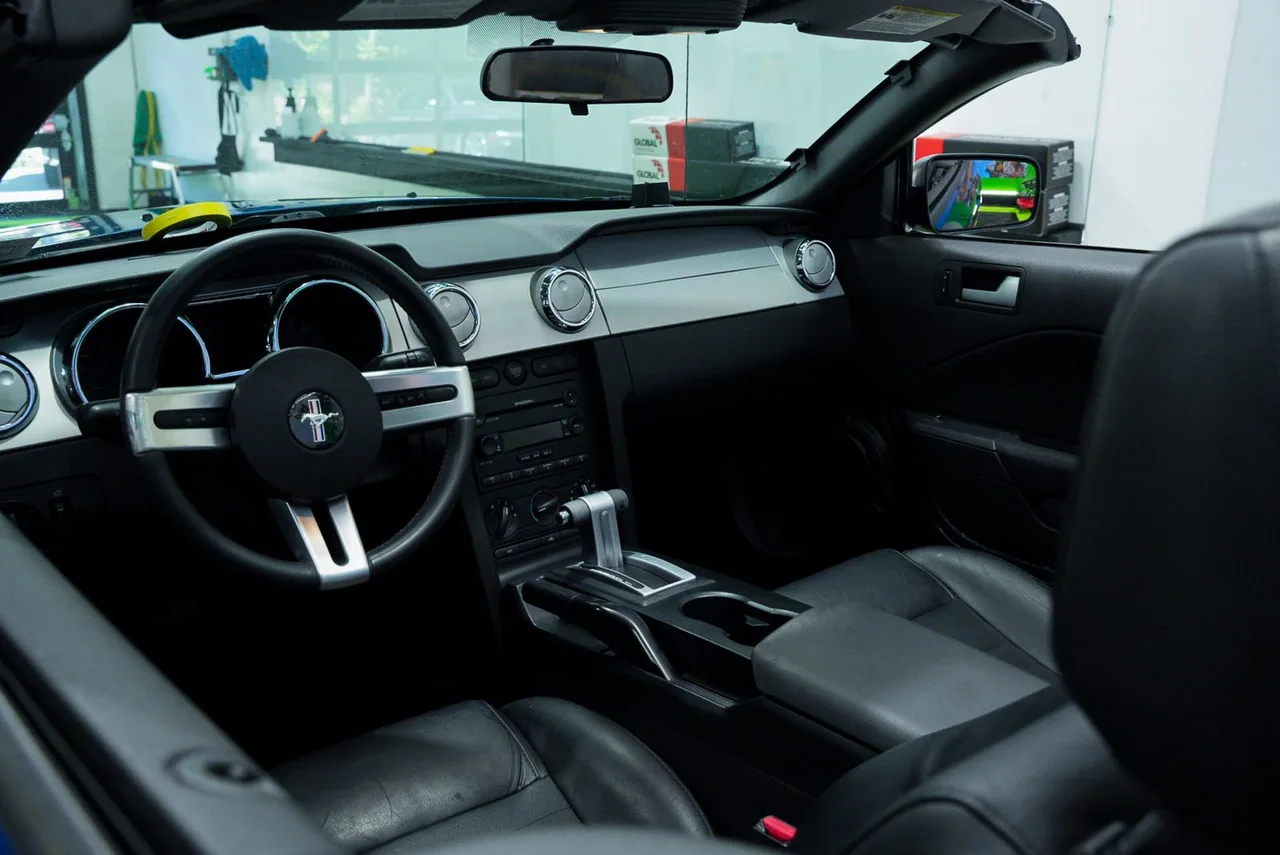
Four simple cabin habits stop winter salt from staining carpets and floor mats:
- Use durable floor mats. Mats that trap water and salt protect the carpet underneath, so rinse or clean them regularly rather than letting salt sit.
- Vacuum often. Dry salt crystals and grit grind into carpet fibers as you walk on them.
- Deal with stains early. Salt stains are easier to treat when they’re fresh.
- Let the cabin dry. Wet mats and carpet can lead to musty smells, so don’t leave soaked mats sitting in the vehicle for long.
If stains and odors have already built up, professional interior work can reach areas routine cleaning can’t, and our Auto Detailing service page outlines the services available. Results depend on how old and severe the stains are, and not every stain or odor comes out completely.
A Mid-Winter Checklist and the Spring Reset
A short mid-winter routine keeps salt from piling up between washes. When conditions allow, five steps cover it:
- Rinse the vehicle. Include wheels, wheel wells and underbody.
- Wipe door seals, jambs and locks dry. This helps prevent sticking doors and frozen locks.
- Shake out the floor mats, then vacuum. Do it before salt dries into the carpet.
- Check for new paint chips. Winter debris can add them throughout the season.
- Look at the wiper blades and glass. Salt film reduces visibility.
Even a brief version beats letting everything sit until spring.
The Spring Reset
Spring is the time for a more thorough look at everything winter touched. A deeper wash removes salt and grime that regular rinsing missed, and decontamination addresses residue that has bonded to the paint. It’s also the moment to check chips, assess whether paint needs correction after a season of wear, inspect wheels, deep clean the interior carpets and glass, and decide whether protection has worn down. Changes in water beading can indicate contamination or reduced performance, although they don’t establish how much protection remains on their own.
When Professional Detailing Makes Sense
Professional detailing makes sense when routine washing stops being enough. A detail earns its place when salt film has built up, the interior has lingering stains or odors, or paint looks dull in ways washing doesn’t fix. A detail cleans and restores surfaces, though results depend on the vehicle’s condition and age. The same salt-season wear shows up on vehicles across the South Hills and throughout the Pittsburgh area, not just in West Mifflin.
For drivers in West Mifflin, our complete auto detailing guide for West Mifflin drivers covers what to expect from detailing through the year.
Questions to Ask Before Choosing Winter Protection
Five questions narrow the choice between routine washing, added protection and professional help.
- How much do I drive in winter? More time on treated roads means more spray, grit and chips.
- Where does the vehicle park overnight? A garage, a driveway and the street each change how often you’ll need to rinse.
- Is the paint already chipped? Chips that expose metal need attention before any protection goes on.
- What am I trying to protect against? Staining and easier cleaning point toward coating, while rock chips and road debris point toward film.
- What do results depend on? Ask any shop how preparation, application and maintenance affect the outcome, and remember that every option still depends on regular washing.
Frequently Asked Questions
Does ceramic coating protect against road salt?
A coating can make cleaning easier and helps with staining, but it doesn’t stop salt from settling on the vehicle. Coated vehicles still need regular washing.
Are touchless car washes better for paint?
Touchless washes are generally gentler on paint because they skip the brushes that hold grit. The tradeoff is stronger chemicals, and a thin film may remain in heavily soiled areas.
How often should I wash my car in winter?
There is no fixed schedule. Many owners rinse more often after storms that follow heavy road treatment, aiming not to let salt and grime sit for weeks. Wash when conditions make it practical.
Is it safe to wash my car in freezing weather?
It depends on conditions. Choose a suitable wash environment, dry door seals, locks and jambs afterwards and avoid situations where water could freeze on moving parts or make the vehicle unsafe to operate.
Is an underbody rinse worth it?
Generally yes. The underside collects a lot of salt and can’t be seen or reached by hand washing, so an underbody rinse is one of the more practical winter steps.
How do I remove salt stains from carpet?
Vacuum dry salt first and treat stains while they are fresh. If stains have built up, interior detailing can reach more deeply, though results depend on how old and severe they are.
Prepare Your Vehicle for Pennsylvania Winter Driving
If your vehicle needs more than a routine wash, Attention II Detail offers professional Auto Detailing in West Mifflin, PA. Contact our team at (412) 469-9020 to discuss the condition of your vehicle or explore our Auto Detailing services before winter road grime builds up. If winter brushing has already left haze or swirls, see what paint correction can and cannot remove before spring.


