
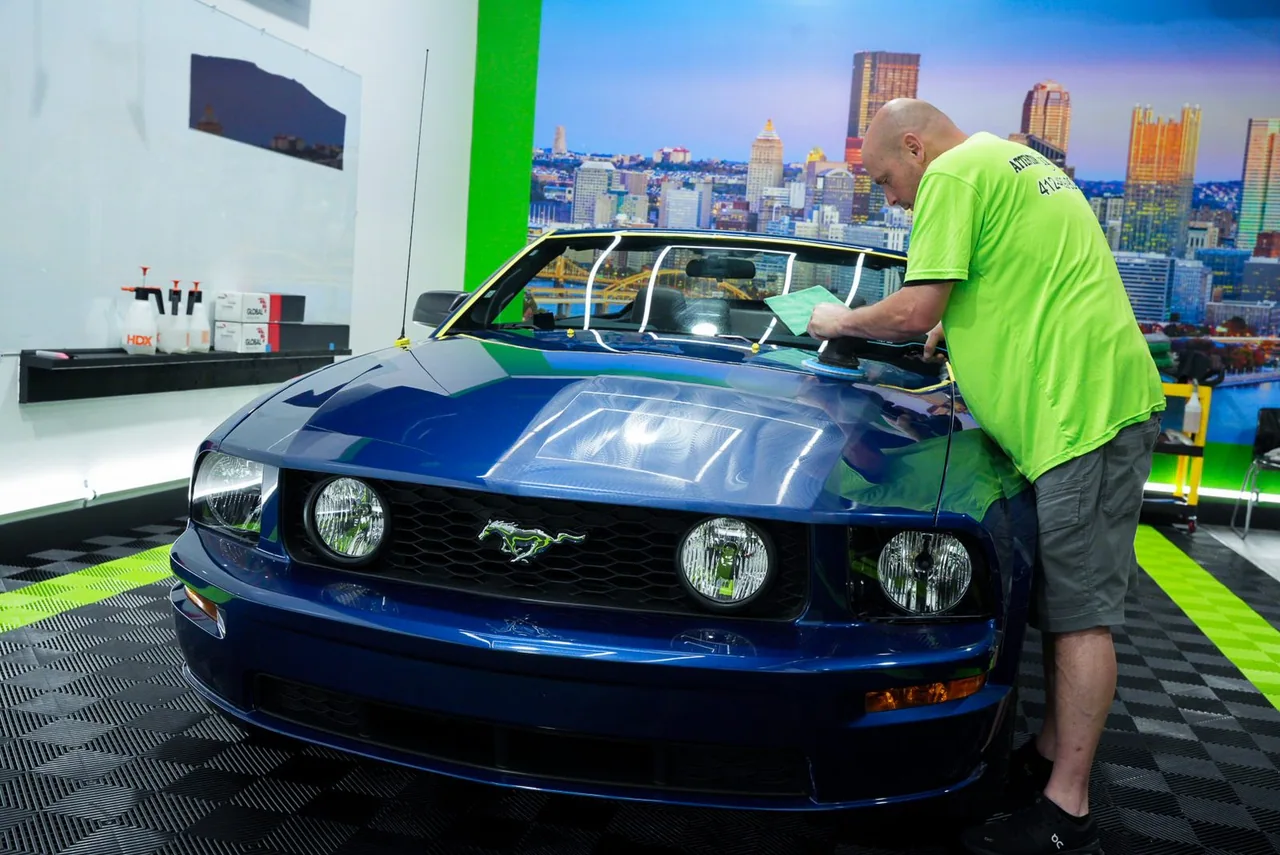
Paint correction removes a thin layer of clear coat to level out swirl marks, light scratches and dull spots. It doesn’t fill them in, and it can’t rebuild paint that’s already gone. That’s why polishing reduces defects sitting in the clear coat but leaves damage that reaches the base coat or primer largely visible.
Four factors decide how paint correction works on your vehicle: how deep the defect is, how much clear coat remains, what caused the damage, and how far the correction needs to go. If you drive a daily vehicle around West Mifflin and you’re weighing polishing against ceramic coating or a different repair, those four factors point you to the right call.
What Does Paint Correction Actually Do to Scratches?
Paint correction levels the clear coat around a defect until the groove shrinks or disappears. Most modern vehicles have a layer of color (the base coat) covered by a transparent clear coat. Scratches, swirl marks and etching that sit in the clear coat show up as tiny grooves or rough spots that scatter light, which is why paint looks dull or hazy instead of deep and glossy.
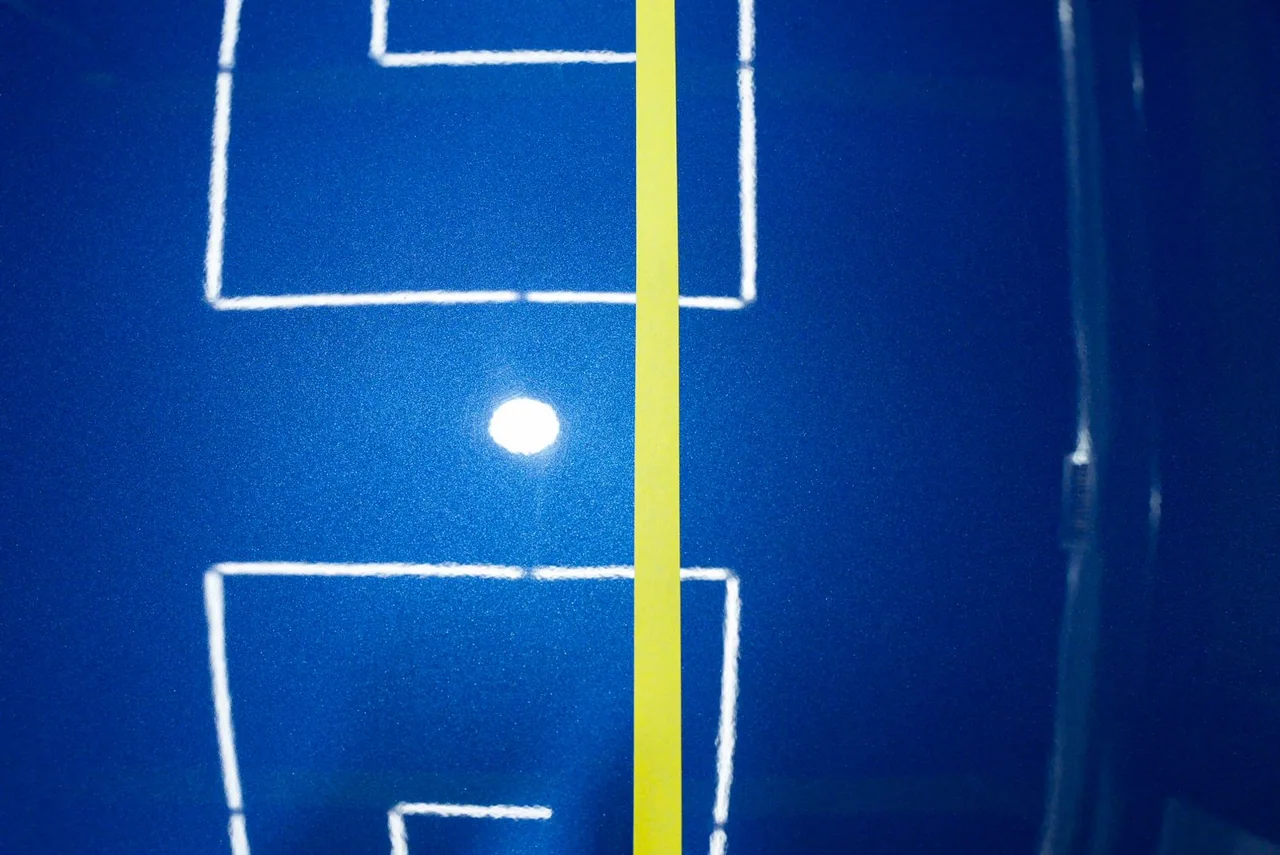
Correction doesn’t fill those grooves. It gently levels the surrounding clear coat. That’s why it’s described as correcting the paint rather than covering it up, and it’s also why it has limits. Once a defect is deeper than the clear coat you can safely remove, polishing can’t take it out.
Correction also isn’t ceramic coating, paint protection film or waxing. Those products protect the surface after the fact, while correction changes the condition of the surface itself. The paint correction service page describes what Attention II Detail offers, and the sections below explain how the services relate.
Which Defects Does Paint Correction Usually Improve?
Paint correction works best on defects that live in the top layer of the clear coat.
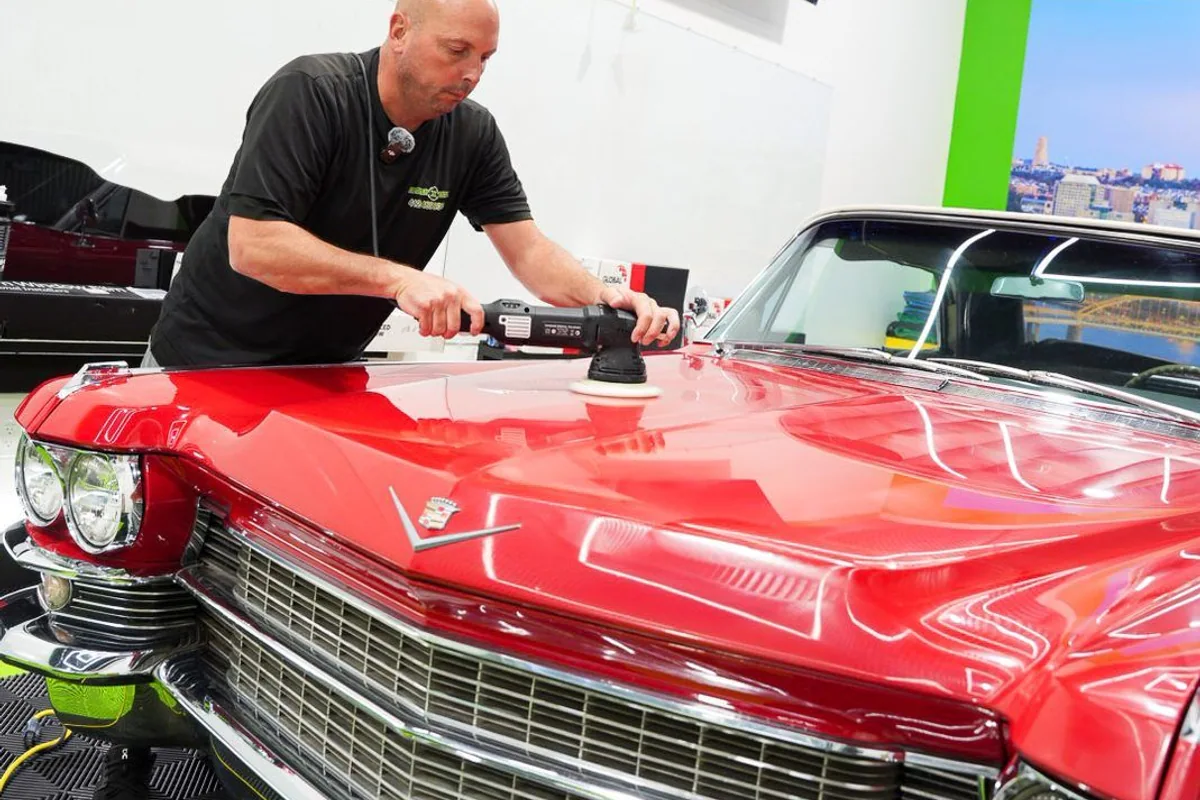
Swirl Marks
Swirl marks are fine, circular scratches that show in direct sunlight, especially on dark paint. They’re commonly caused by washing and drying methods that drag dirt across the surface, such as dirty wash mitts, rough towels or automatic washes with brushes. Because they’re shallow, swirl marks are one of the most common reasons vehicles get corrected.
Light Scratches
Light scratches from fingernails around door handles, a brushed-past bush or a careless wipe with a dry cloth often respond well to polishing. The key word is “light.” A scratch shallow enough to polish out is a very different problem from one that has cut into the paint underneath.
Oxidation and Dullness
Paint that has lost its gloss to sun exposure and age sometimes improves when the damage is limited to the top of the clear coat. If the clear coat itself has started to fail, polishing isn’t the answer, and the next section covers that.
Light Water Spot and Bird Dropping Etching
Mineral deposits from dried water and acidic contaminants such as bird droppings leave marks in the clear coat. Light etching often reduces with polishing, but heavier etching that has eaten deep into the surface may not come out completely.
What Doesn’t Paint Correction Fix?
Paint correction doesn’t repair damage that goes through the clear coat or sits outside the paint layer. Polishing generally can’t repair the following.
- Deep scratches. If a scratch has gone through the clear coat into the color layer or primer, there’s no clear coat left to level. Polishing may soften the edges, but the scratch usually remains visible.
- Rock chips. A chip is a crater, not a groove, and correction can’t rebuild missing paint.
- Failing or peeling clear coat. When clear coat is cracking, flaking or turning cloudy in patches, polishing can make the problem worse. That condition typically calls for refinishing rather than correction.
- Dents and creases. Correction works on the surface of the paint, not the shape of the panel underneath.
- Rust. Corrosion starts in the metal and needs repair, not polishing.
- Previously repainted areas with thin or uneven paint. Paint that has been sprayed over before may have less margin for safe polishing.
If your vehicle has damage in these categories, correction may still improve the surrounding paint. It won’t make the damage disappear.
How Can You Tell How Deep a Scratch Is?
The fingernail test gives a rough read on scratch depth. Run a fingernail lightly across the scratch: if your nail doesn’t catch, the scratch is likely shallow and sitting in the clear coat, which makes it a better candidate for correction. If your nail catches in the groove, the scratch may be deeper and less likely to polish out completely.
This isn’t a precise measurement, and it’s no substitute for an inspection under proper lighting. Treat it as a rough guide rather than a diagnosis. The table below shows how common defects usually respond.
| Defect | Usual Result From Polishing | Why |
|---|---|---|
| Swirl marks | Often reduced a lot | Shallow and confined to the clear coat |
| Light scratch (nail doesn’t catch) | Often reduced or removed | May be shallow enough to level out |
| Deeper scratch (nail catches) | May stay visible, edges may soften | Can exceed the clear coat that can safely be removed |
| Light etching | Often reduced | Limited to the top of the clear coat |
| Heavy etching | May not come out completely | Has eaten deep into the surface |
| Rock chip | Not repaired | Paint is missing, not grooved |
| Peeling or cloudy clear coat | Polishing can worsen it | The clear coat itself is failing |
Dark paint complicates the picture. If your vehicle is black, dark gray or deep blue, fine scratches stand out far more than on white or silver. That doesn’t mean dark paint is damaged more badly. Dark colors simply make certain defects more noticeable under direct lighting. A panel that looks terrible in direct sun may look fine in the shade, so proper lighting matters.
How Much Clear Coat Does Paint Correction Have to Work With?
Paint correction has less clear coat to work with than most owners expect, because factory clear coats are thin and every polishing pass removes a small amount of it. That’s why responsible correction is about doing the minimum necessary to get a good result, not removing as much material as possible.
Some professionals use a paint thickness gauge to understand the overall paint thickness on a panel before they start. These gauges don’t necessarily measure clear coat separately from the underlying layers. Not every vehicle has the same margin: a vehicle that has been polished aggressively in the past, repainted or sanded may have less clear coat to spare than a lightly used newer one. It’s also why a quote based on photos alone has limits. An in-person look is the most reliable way to judge how much correction a vehicle can safely take.
One-Step vs. Multi-Step Correction
A one-step correction is a single polishing stage, while multi-step correction adds a more aggressive first stage for deeper defects and follows with finer polishing to restore clarity.
The right approach depends on the paint’s condition and the result you want. Mild swirling you just want to look better doesn’t call for the same work as years of automatic car wash damage, and more correction isn’t automatically better because every stage removes material. Be cautious of any quote that promises a perfect, flawless finish on every vehicle. Results depend on the starting condition, the paint and how much correction is appropriate.
Do You Need Paint Correction Before Ceramic Coating?
Correction usually comes before ceramic coating on paint with visible swirling or dullness. The two services do different jobs: correction improves the surface, while ceramic coating protects the surface once it’s in the condition you want to keep. A coating doesn’t hide existing defects. It preserves whatever paint it’s applied to, including swirl marks that were already there.
Not every vehicle needs the same amount of correction beforehand, and a newer vehicle in good condition may need only a light polish. If you’re considering protection afterwards, the ceramic coating service page explains what coating is and isn’t designed to do.
How Long Does Corrected Paint Stay Corrected?
Corrected paint stays corrected only as long as the surface is treated carefully. Correction is a one-time improvement to the current state of the paint, not a lifetime fix, and new swirl marks and scratches can appear whenever the surface is washed or touched carelessly. The better the aftercare and protection, the longer the improvement tends to last, but no finish is guaranteed to stay flawless indefinitely.
If the habits that caused the swirl marks continue, the swirl marks will return. These five habits make a real difference.
- Use clean wash tools. Microfiber mitts and drying towels that are kept clean cause less marring than old sponges or rough towels.
- Rinse before you touch the paint. Removing loose grit with water first reduces what gets dragged across the surface.
- Be cautious with automatic washes that use brushes. They’re a common source of swirl marks on many vehicles.
- Dry gently. Rubbing a dry towel across a dusty panel is an easy way to add fine scratches.
- Add protection. Wax, sealant, ceramic coating or paint protection film each protect in different ways, and the right one depends on your priorities.
None of these steps makes paint scratch-proof. They only slow how quickly fine defects return.
Questions to Ask Before Choosing Paint Correction
Two short sets of questions separate a realistic correction plan from an overpromise. Start with the ones you can answer yourself.
Questions for Yourself
Start by answering four practical questions about your vehicle and ownership plans:
- Is the paint dull, hazy or swirled in direct light? If so, correction may make a visible difference.
- Do the defects pass the fingernail test? Shallow marks are better candidates than deep ones, although the test isn’t definitive.
- Are you planning to protect the paint? Many owners correct first and protect second, since protection preserves the improved finish.
- Is the clear coat in good condition? Cracking, peeling or cloudy patches point to a different type of repair.
For a daily driver in the West Mifflin area, parking conditions, road salt in winter and washing habits all affect how quickly paint shows wear. The same is true for vehicles across the South Hills communities and greater Pittsburgh. Correction is a good fit for some vehicles and unnecessary for others.
Questions for the Shop
Bring these five questions to any detailer before scheduling machine polishing:
- How will the paint be assessed before work begins?
- How much correction is realistic for my vehicle, and why?
- Which defects are unlikely to come out completely?
- What protection do you recommend afterwards, and what doesn’t it do?
- How should I wash the vehicle after the work?
A good shop explains what is and isn’t realistic and doesn’t promise perfection. If you’re also comparing services, ceramic coating and auto detailing each have their own page.
Frequently Asked Questions
What is the difference between paint correction and waxing?
Correction improves the surface by leveling defects in the clear coat, while wax adds a thin protective layer on top. Wax can temporarily make fine marks less noticeable, but it doesn’t correct them, so swirl marks and light scratches are still there underneath once the wax wears off.
Does paint correction remove all scratches?
No. Paint correction can reduce or remove defects that sit in the clear coat, such as swirl marks and light scratches. Scratches that go through the clear coat usually remain visible even after polishing, though the edges may soften. Deeper damage needs a different repair.
Can paint correction fix a scratch my fingernail catches on?
Not always. If a fingernail catches in the groove, the scratch may be deeper than the clear coat can safely be leveled. Polishing may soften it, but complete removal may not be possible. An in-person inspection is the most reliable way to judge it.
Do I need paint correction before ceramic coating?
Not always. Coating preserves the condition of the paint it is applied to, so vehicles with visible swirling or dullness often benefit from correction first, while newer vehicles in good condition may need little. The right amount depends on the paint’s condition today.
Is paint correction permanent?
It permanently reduces the defects that were polished out, but new swirl marks and scratches can appear if the paint is washed or handled carelessly afterwards. Clean wash tools, gentle drying and added protection all slow how quickly fine defects return.
Does paint correction damage the paint?
Paint correction removes a very thin layer of clear coat, which is why technicians limit polishing to what the paint safely supports. Vehicles with thin or previously repainted areas have less margin, so the work needs to match the paint’s condition, not a standard routine applied to every vehicle.
Find Out What Paint Correction Can Do for Your Vehicle
If your vehicle has visible swirl marks, dull paint or light scratches, Attention II Detail can help you explore whether professional paint correction is appropriate. Contact our West Mifflin shop at (412) 469-9020 to discuss your vehicle, or learn more about Paint Correction. Planning ahead for colder weather? Read our guide on protecting your car from winter road salt or explore paint protection film for high-impact panels.


