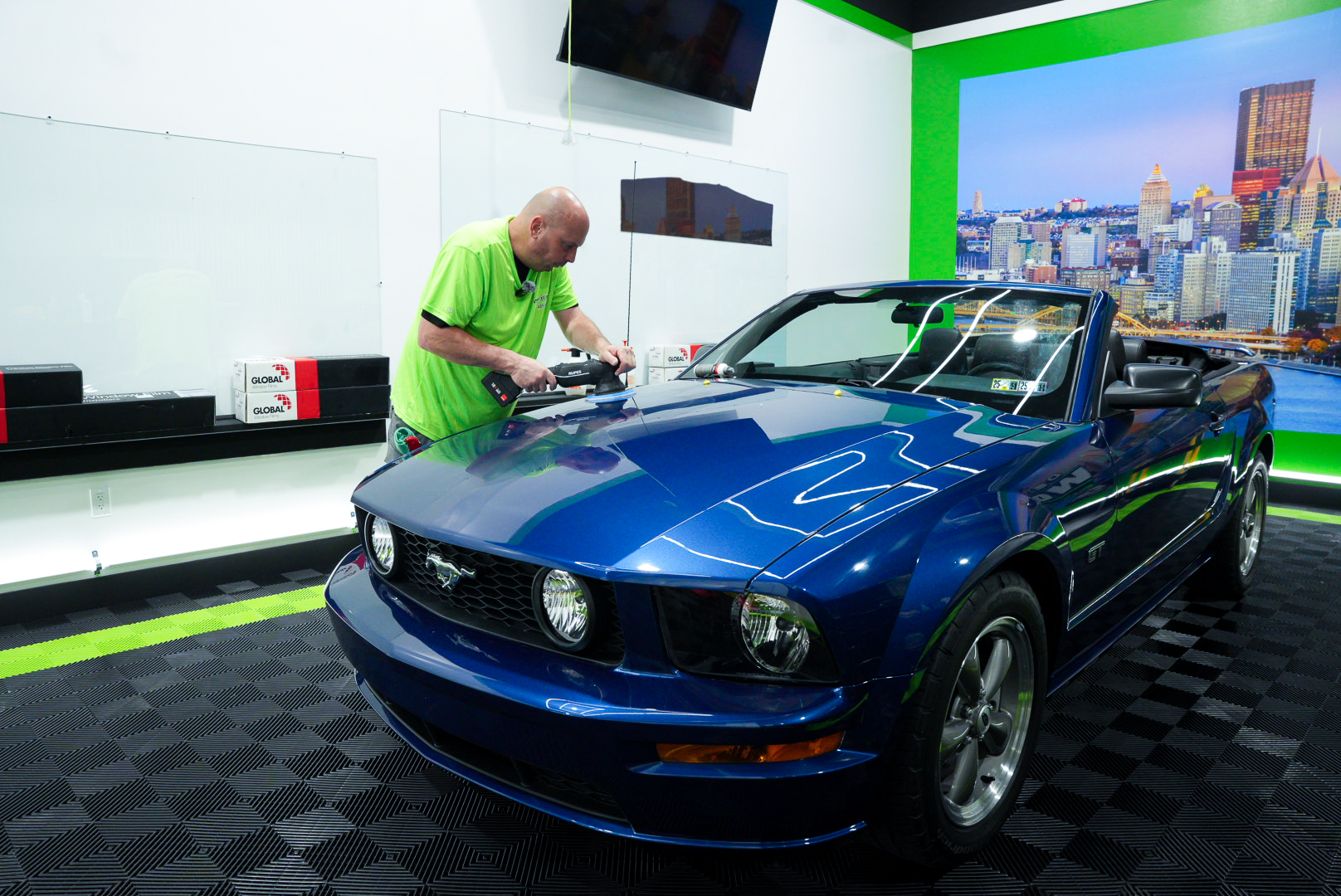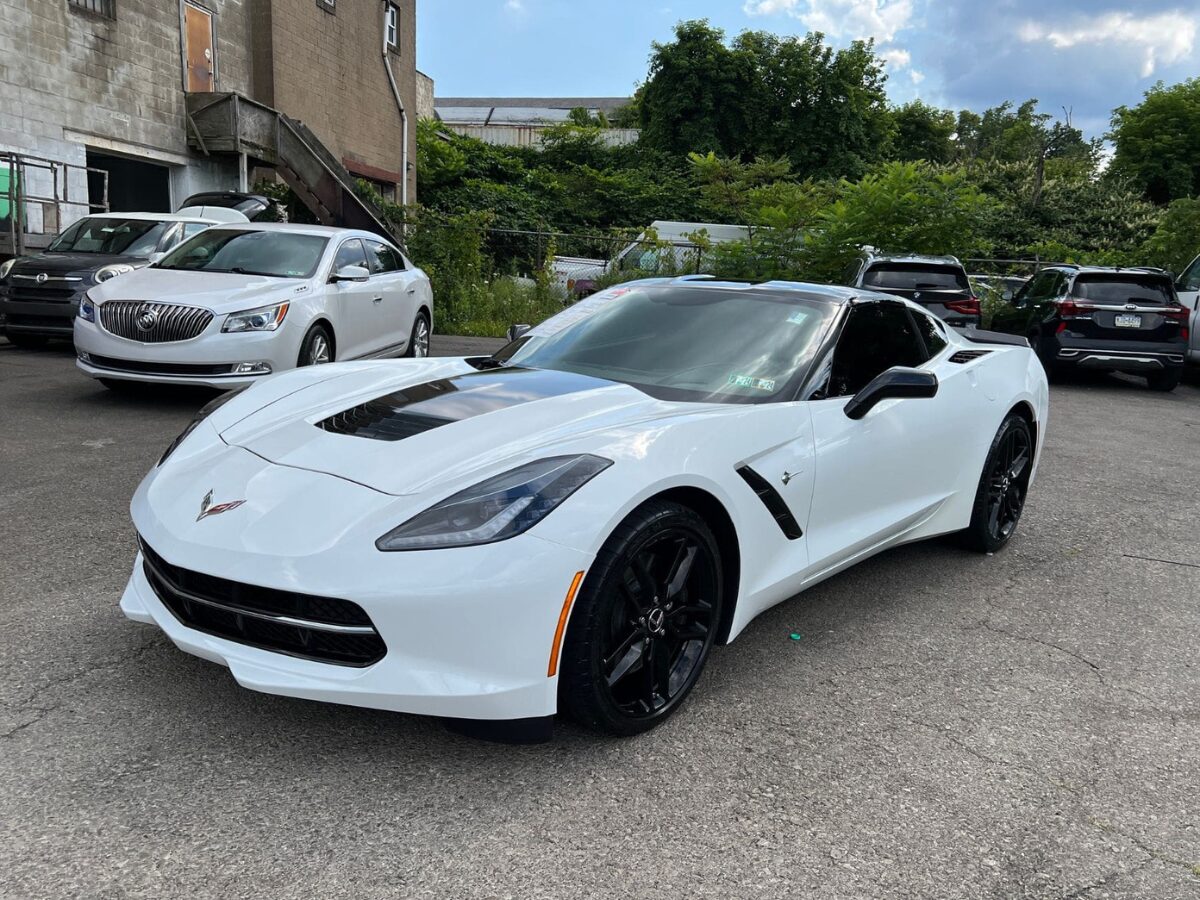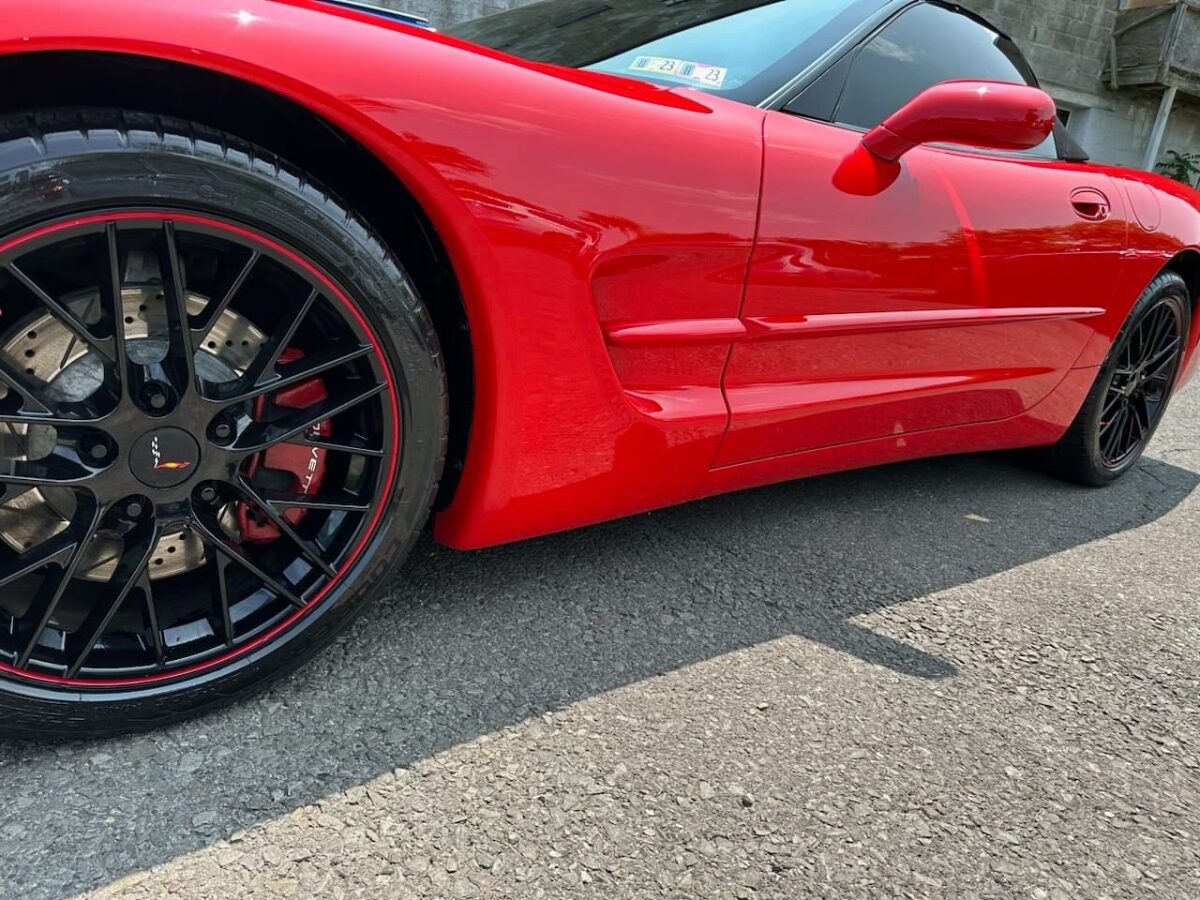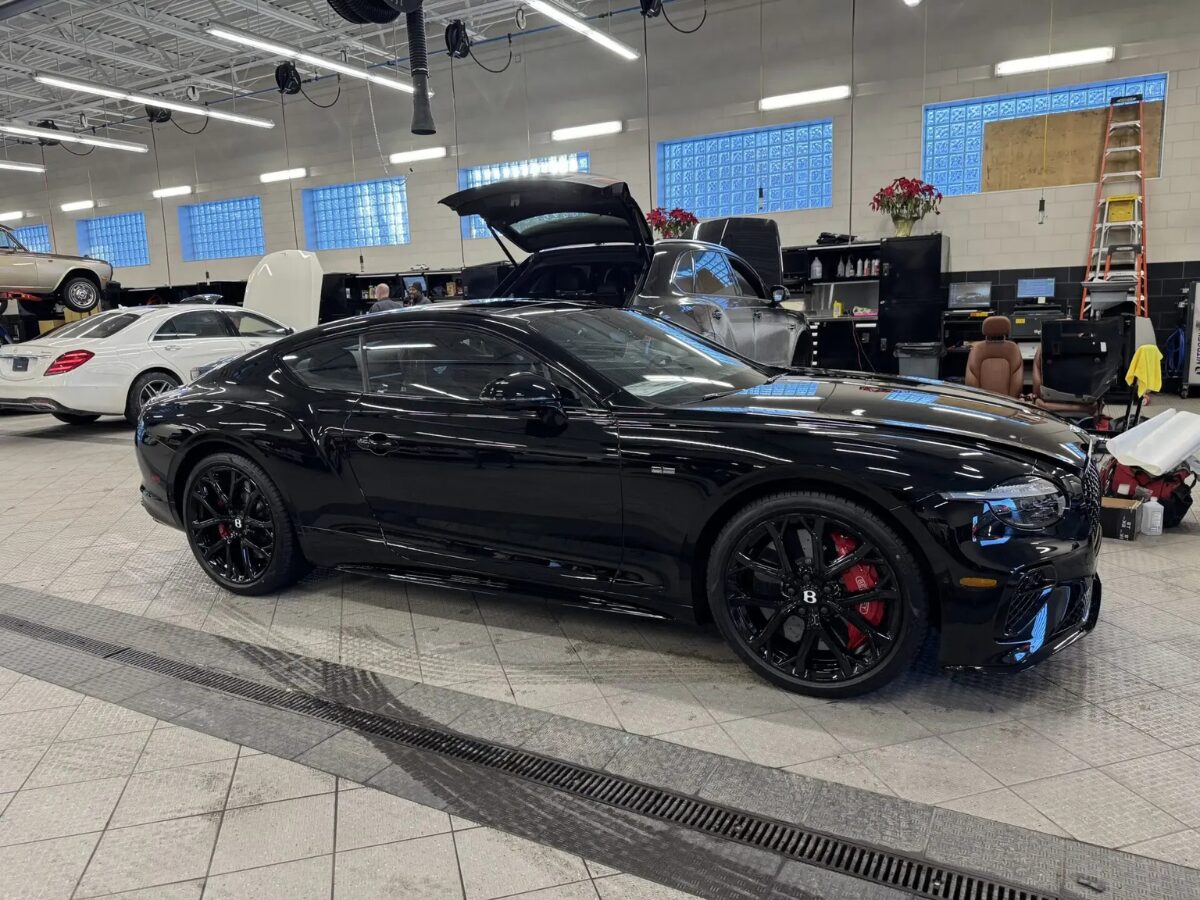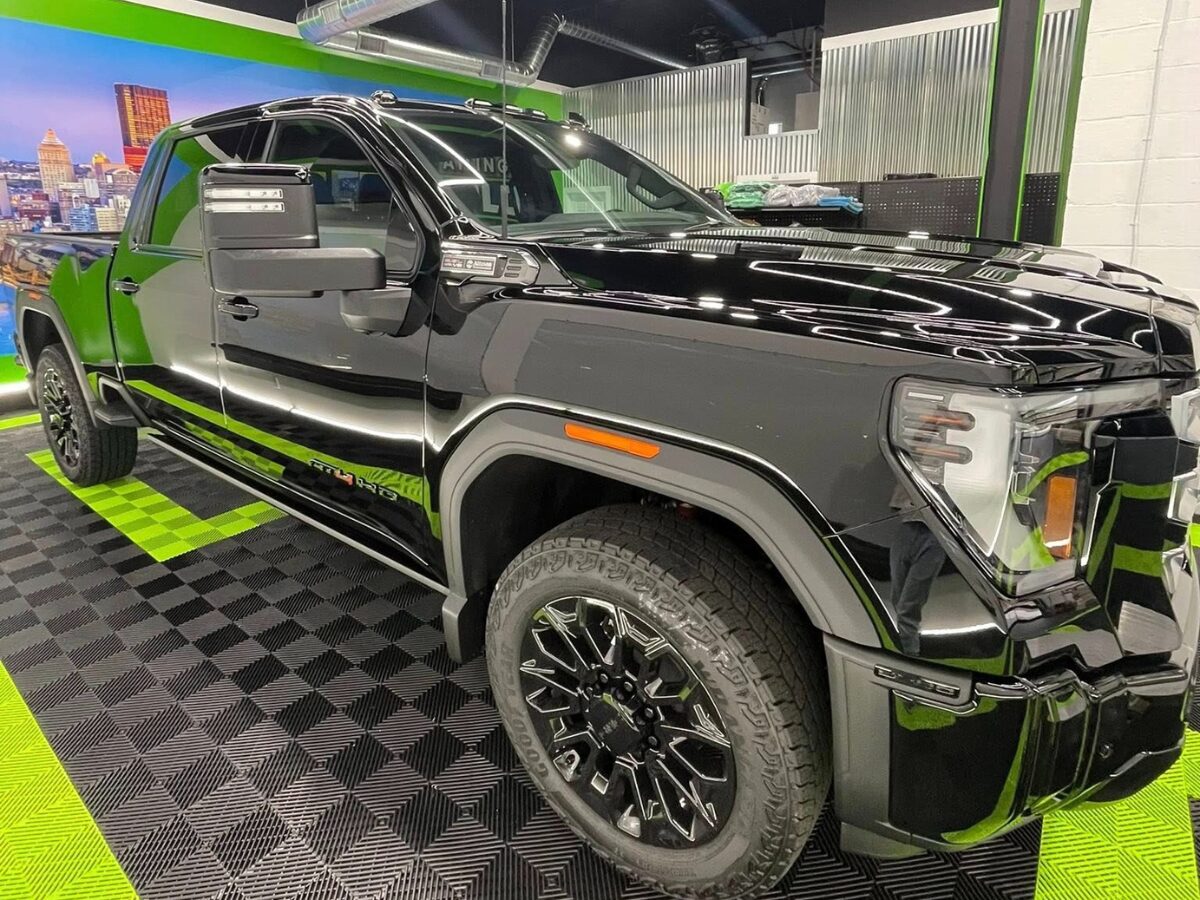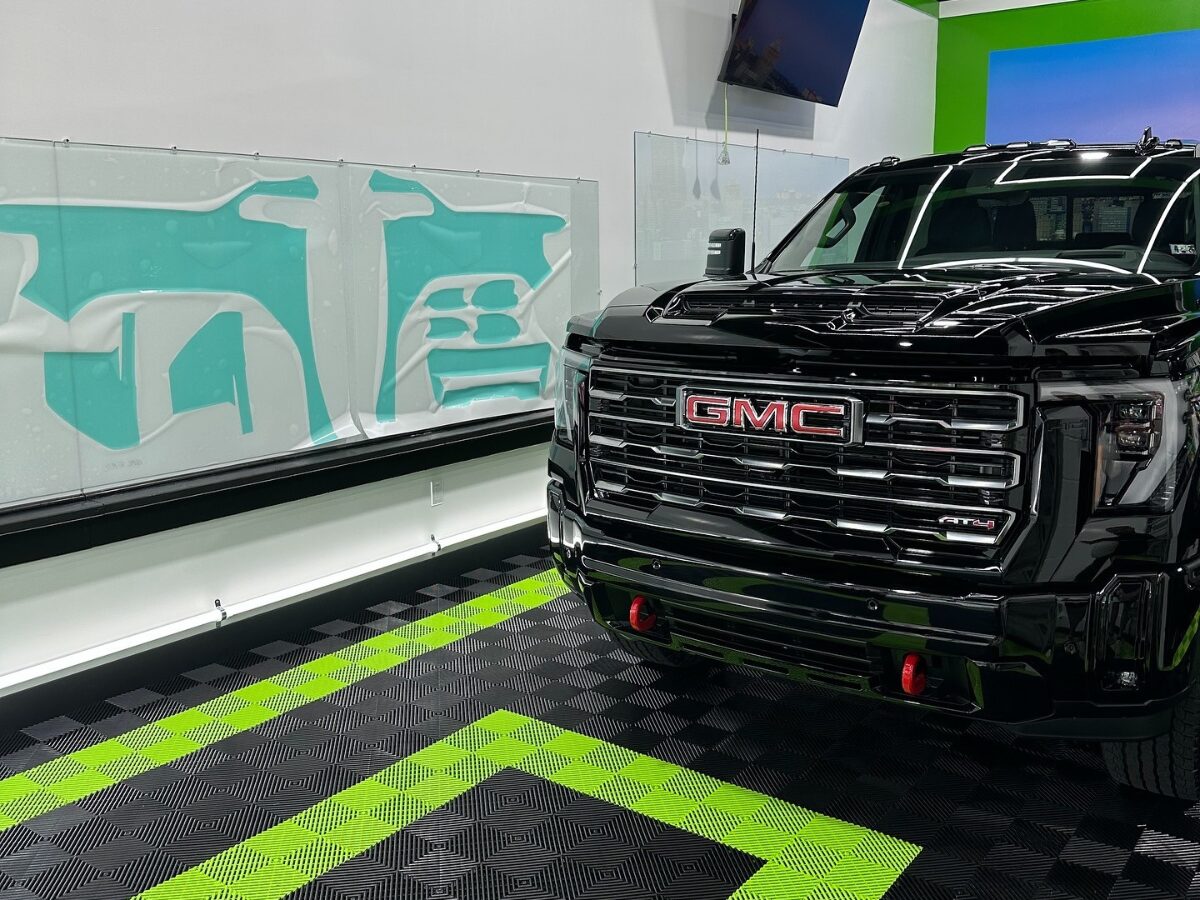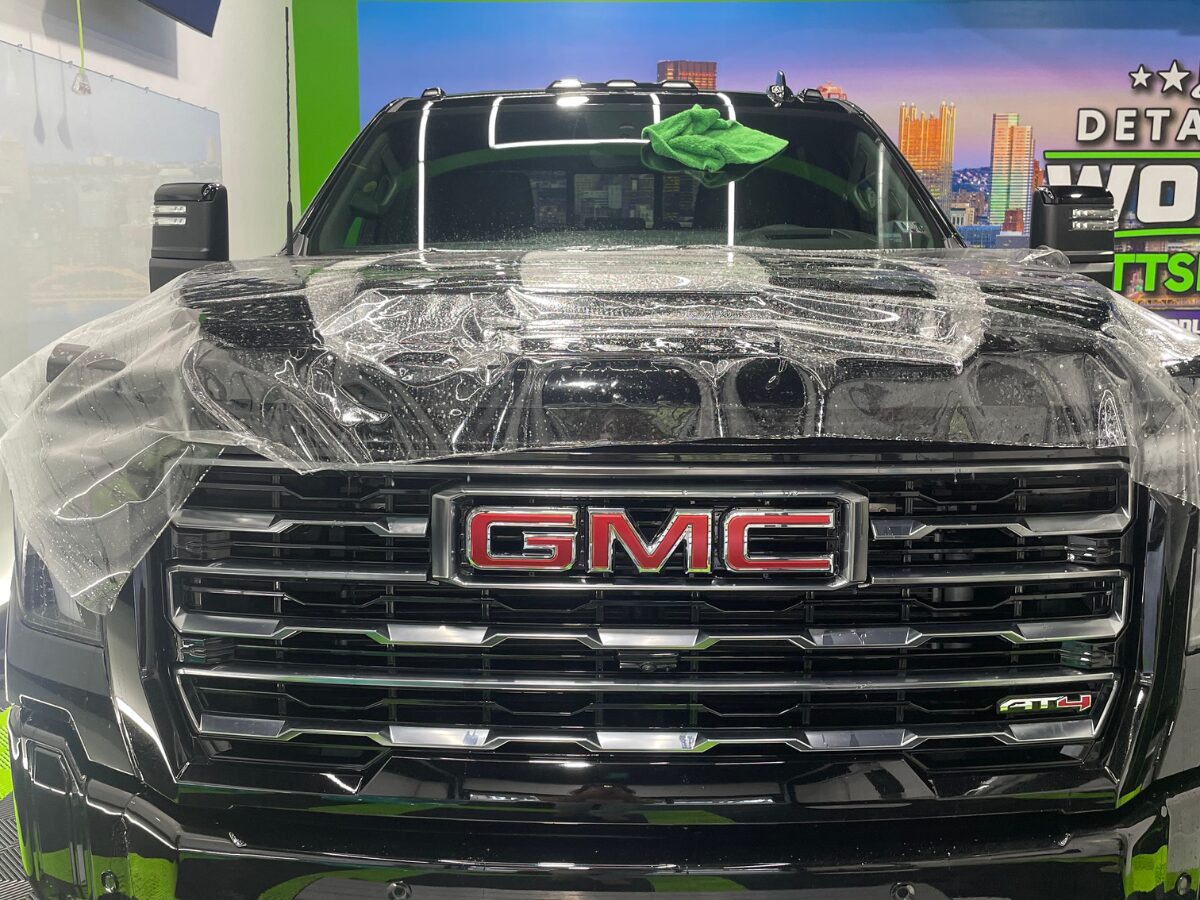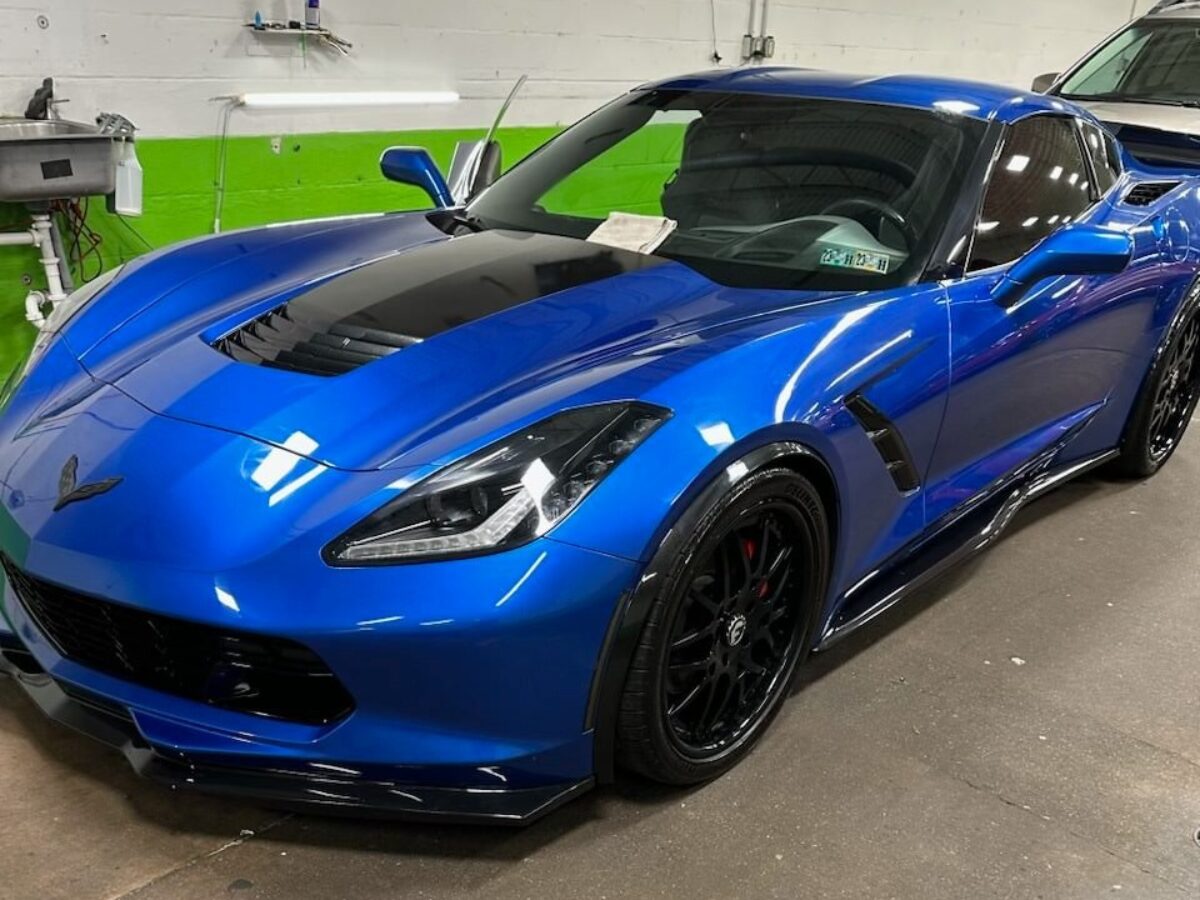
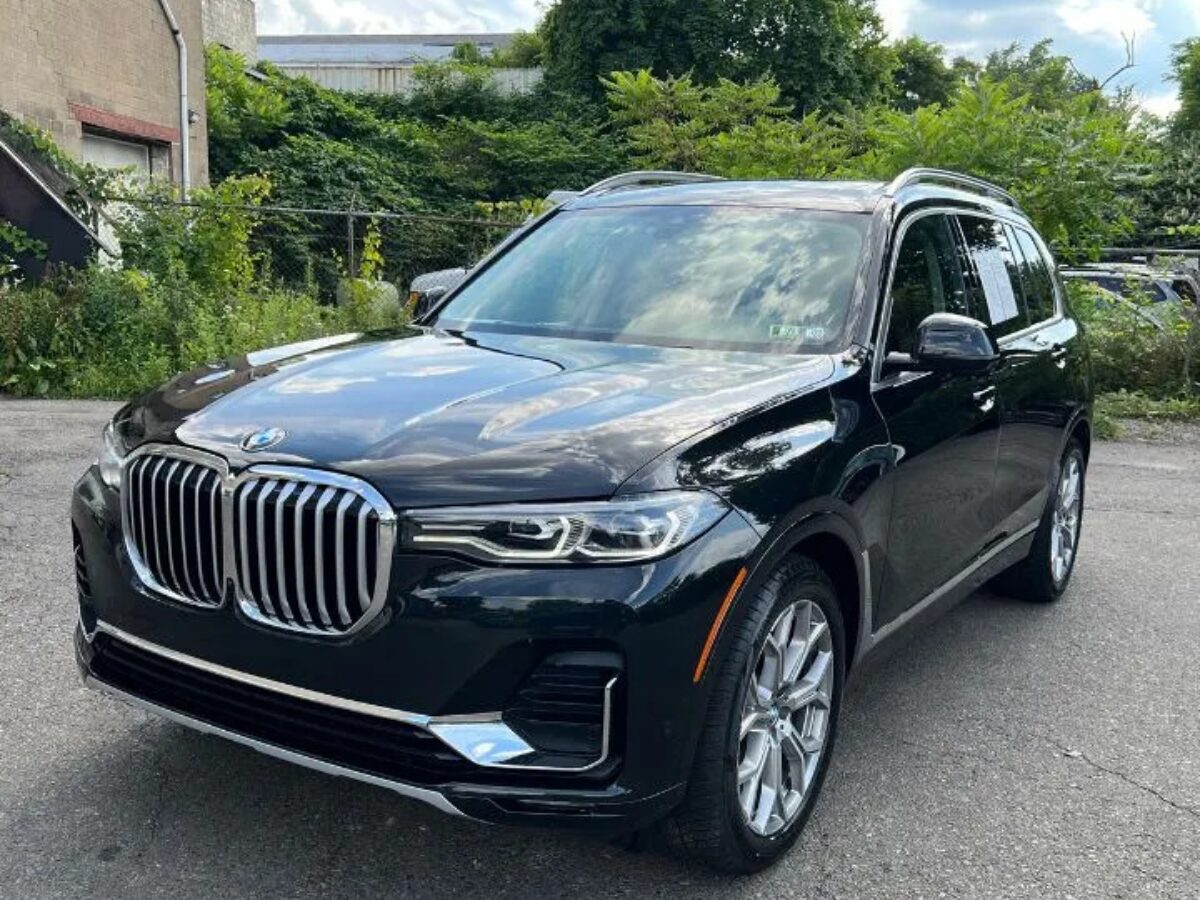
What is ceramic coating? Ceramic coating provides a semi-permanent, hydrophobic layer that bonds to your vehicle’s clear coat, offering long-lasting gloss and surface protection, making cleaning much easier. While it protects against UV damage, chemical stains, oxidation, and environmental contaminants, it’s important to remember that ceramic coating isn’t a shield against rock chips or deep scratches. Professional coatings typically last between one and five years with proper care, which includes using touchless or hand washes, pH-balanced soap, and avoiding abrasive brushes. In areas like North Hills, South Hills, and Pittsburgh, PA, where changing weather, road salt, and environmental contaminants are common, ceramic coatings are especially beneficial for maintaining your vehicle’s appearance.
Introduction
Ceramic coatings are talked about everywhere right now, from dealership add-ons to enthusiast forums. Drivers hear claims about years of protection and deep gloss and want to know if it’s worth it, what it really protects against, and how to care for it in a place like Pennsylvania.
Here’s a clear, practical look from the perspective of a professional car detailing shop that applies ceramic coatings every day and sees the results months and years later.
So, What Is Ceramic Coating Really?
If you’re asking what is ceramic coating, think of it as a liquid polymer made from silicon dioxide or silicon carbide that’s applied to clean, prepped paint. After curing, it bonds at a molecular level with the clear coat and forms a thin, hard, hydrophobic layer. That layer doesn’t wash off like wax.
In short: it is a professional-grade paint protectant that’s thicker and more durable than traditional wax or sealants. It creates tight water beading, resists many chemicals, and helps block UV-induced fading, all while boosting gloss.
Most quality products build a film that’s roughly 0.5 to 2 microns thick and cross-links as it cures, creating a permanent bond until it’s abraded away or wears down through use. That’s why proper surface prep before application matters.
How Does Ceramic Coating Work?
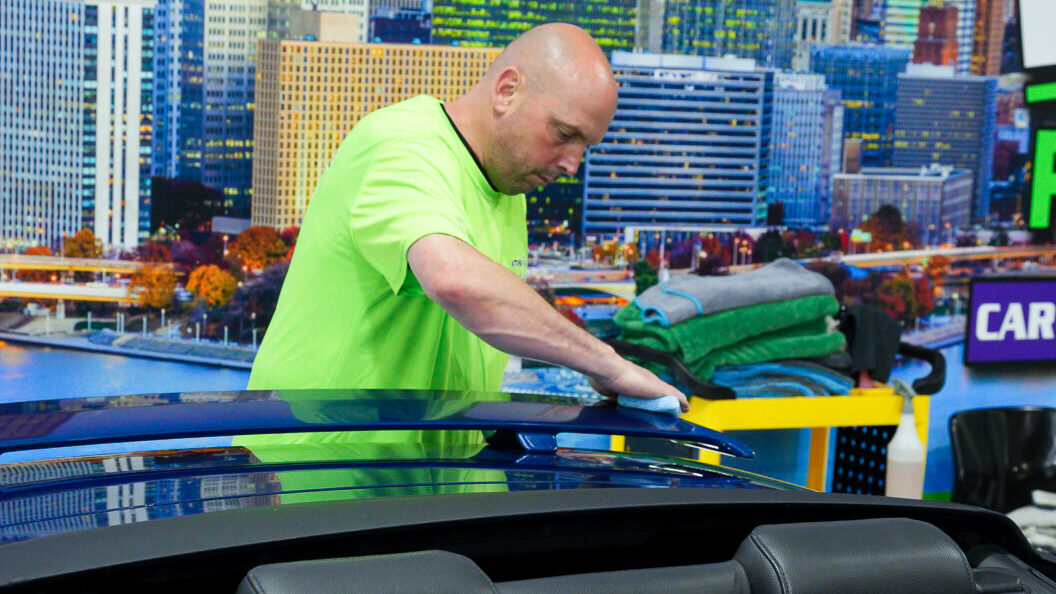
Ceramic coating formulas are packed with advanced compounds like SiO2 or SiC. When applied to your vehicle’s paint, the solvents evaporate and the coating cross-links, creating a durable network that bonds directly to the clear coat. This process forms a sacrificial barrier that is much harder and more chemically resistant than the clear coat alone. As a result, your vehicle experiences less staining from road grime, tree sap, or bird droppings—especially if these contaminants are washed off promptly—and gains superior resistance to UV oxidation. Research shows that UV exposure is a primary driver of polymer degradation and color fading over time.
What Does Ceramic Coating Do for Your Car?
Ceramic coating offers real-world solutions for drivers in North Hills, South Hills, and Pittsburgh, PA, who face challenges like high UV index, ragweed and oak pollen, construction dust, and occasional hard water spotting. The EPA’s UV Index tool often shows elevated readings for this region, and hard water minerals from tap or sprinkler overspray can etch the clear coat if left to dry. The USGS explains why mineral content leaves deposits that are difficult to remove once water evaporates.
So, what does ceramic coating do to address these everyday frustrations?
- It slows UV-driven oxidation, helping your vehicle’s color and clear coat last longer.
- It buys you time against bird droppings and bug splatter, reducing the risk of staining if you rinse them off soon.
- It makes dust and pollen less stubborn, so your regular wash is quicker and easier.
- It reduces water-spot bonding and makes towel marks less likely during drying.
At Attention II Detail, we also use deionized filtered water for washing and rinsing at mobile appointments. DI water works perfectly with ceramic coatings because it minimizes mineral spotting, even when washing in the sun. The result is a cleaner finish with fewer touch points, helping to prevent swirl marks and keep your vehicle looking its best.
The Benefits and Limitations of Ceramic Coating
When considering how ceramic coating can help protect your vehicle, it’s important to weigh both its advantages and its realistic limitations. Here’s a clear breakdown to help you decide if ceramic coating is the right choice for your car in Pennsylvania.
Benefits:
- Forms a semi-permanent, hydrophobic layer that keeps surfaces cleaner for longer
- Dirt and debris have a harder time sticking to treated paint
- Washing and drying are much faster and easier due to water beading and sheeting
- Delivers a deep, high gloss finish by smoothing the surface and adding refractive depth
- Manufacturers report contact angle measurements between 105 and 120 degrees, showcasing impressive hydrophobic properties
- Provides strong UV resistance and chemical resilience
- Offers slickness and far easier maintenance compared to traditional waxes or sealants
- Especially beneficial for vehicle owners in North Hills, South Hills, and Pittsburgh, PA
Limitations:
- Does not provide impact protection—won’t prevent rock chips or deep scratches
- Still requires thoughtful washing to avoid swirls and water spots
- Not a miracle shield or armor plating, but a smart, long-lasting protective layer
- Best for making maintenance easier and preserving your vehicle’s value, not for making it invincible
If you’ve wondered “what is ceramic coating for cars,” keep these realistic expectations in mind when considering this advanced protection for your vehicle.
Comparison Guide: Wax vs Sealant vs Ceramic Coating vs PPF
Below is a quick comparison that many customers find useful when reading any ceramic coating guide.
| Product type | Typical longevity | Thickness | Chemical resistance | Gloss | Cost range | Stops rock chips |
| Carnauba Wax | Weeks to 2 months | Negligible | Low | Warm shine | Low | No |
| Synthetic Sealant | 3 to 6 months | Negligible | Moderate | High shine | Low to moderate | No |
| Ceramic Coating | 1 to 5 years | ~0.5–2 microns | High | Glassy depth | Moderate to high | No |
| Paint Protection Film (PPF) | 5 to 10 years | ~150–200 microns | Very high | Slight texture | High | Yes |
PPF is the only product that can physically absorb rock impacts. Many owners do PPF on the front end and ceramic coating on top of film and paint elsewhere for the best blend of protection and gloss.
How Long Does Ceramic Coating Last, Realistically
The longevity of ceramic coating depends on the product used, the quality of preparation, your washing habits, and local conditions. Using premium products like Hydrosilex LIT and CHROME Ceramic Coatings, you can typically expect professional-grade protection to last anywhere from 2 to 5 years with proper care.
These durability claims assume you’re hand washing with the right soaps, minimizing abrasion from automatic car washes, and providing some level of garage or covered parking. If you frequently use drive-through brushes, neglect contaminants, or use harsh chemicals, the lifespan of your ceramic coating will be reduced. In areas like North Hills, South Hills, and Pittsburgh, PA, we see daily drivers maintain their ceramic coatings well when owners stick to recommended wash methods and refresh the surface with a topper every few months.
So, how long do ceramic coatings last for your vehicle? It ultimately comes down to your mileage, wash habits, and storage conditions. We’re happy to inspect your car and provide a realistic estimate based on how you use it.
Ceramic Coating Care Tips
Maintaining your ceramic coating is straightforward, but consistency and gentle techniques are key to keeping your vehicle looking its best. Even if you don’t follow a full ceramic coating guide, adopting these habits will help maximize the performance and longevity of your coating:
- Wash in the shade: Whenever possible, wash your vehicle out of direct sunlight to prevent soap and water spots.
- Use the right tools: Opt for the two-bucket method, soft microfiber wash mitts, and dedicated wheel brushes to minimize scratching.
- Choose the right soap: Stick to pH-balanced, coating-safe shampoos and avoid wax-heavy soaps that can dull the hydrophobic effect.
- Dry properly: Rinse thoroughly, use deionized (DI) water if available, and dry with plush microfiber towels or a touchless blower.
- Act quickly on contaminants: Rinse off bird droppings, tree sap, and bug splatter as soon as you notice them to prevent staining.
- Refresh with toppers: Apply a silica-based spray every few washes to maintain slickness and water beading.
- Avoid abrasives: Steer clear of scrubbing sponges and automatic car washes with brushes, as these can damage both the coating and your paint.
Following these ceramic coating care tips will help you get the most out of your investment and keep your vehicle’s finish looking glossy and protected.
Where Paint Correction Fits In with Ceramic Coating
It’s important to understand that the coating will magnify whatever surface it’s applied to. This is why professional detailers emphasize proper paint correction before applying ceramic coating. Paint correction is a precise machine polishing process that removes swirls, light scratches, haze, and oxidation from your vehicle’s clear coat, creating a flawless foundation for the ceramic coatings.
If you skip paint correction, any imperfections—like holograms, micro-marring, or wash-induced scratches—will be sealed and highlighted under the ceramic coating for years. Our team at Attention II Detail always inspects your paint’s condition first and recommends the appropriate level of correction, whether it’s a one-step enhancement or a multi-step process, to ensure the best possible finish. After polishing, we use an isopropyl alcohol panel wipe to remove any oils or residues, allowing the ceramic coating to bond cleanly and perform at its best.
Our wash and prep process is designed to avoid introducing new defects, using the two-bucket wash method, clean mitts, soft microfiber towels, and deionized filtered water. If you’re researching what is ceramic coating and want to see the difference paint correction makes, we’re happy to demonstrate test spots on your own vehicle—even if it’s brand new and has dealership-induced wash marks. Proper preparation ensures your ceramic coating delivers maximum gloss, protection, and longevity.
Ceramic Coating: Cost, Packages, and Local Expertise
Ceramic coating pricing depends on your vehicle’s size, the condition of the paint, and the durability rating of the coating you choose. Costs reflect the time invested in proper preparation and the quality of premium products used. We offer ceramic coating packages with 1, 3, and 5-year durability options, and our team will help you select the best fit based on how you drive and store your vehicle.
Attention II Detail proudly serves North Hills, South Hills, Pittsburgh, and surrounding Pennsylvania communities. You can choose convenient mobile service at your home or office, or visit our fully equipped car detailing shop. Our mobile setup is self-contained with water and electricity, ensuring a seamless experience wherever you are.
If you’re exploring a ceramic coating guide or still considering your options, we’re here to help. We’ll explain what is ceramic coating in practical terms for your daily routine, demonstrate the real-world gloss and water beading on your own vehicle, and answer any questions about what does ceramic coating do for drivers in the Pittsburgh area.
FAQs
Q1. What is ceramic coating?
Ceramic coating is a liquid polymer made from materials like silicon dioxide or silicon carbide that bonds to your vehicle’s clear coat. Once cured, it forms a semi-permanent, hydrophobic layer that enhances gloss, protects against UV damage and chemical stains, and makes washing much easier. Unlike wax, it doesn’t simply sit on the surface—it chemically bonds to the paint.
Q2. What does ceramic coating do for my car?
Ceramic coating creates a durable barrier that helps slow down oxidation, reduces staining from contaminants, increases corrosion resistance, repels water, and keeps your vehicle cleaner for longer. In areas like North Hills, South Hills, and Pittsburgh, PA—where road salt, pollen, construction dust, and hard water are common—it provides strong protection against everyday environmental wear.
Q3. What is ceramic coating for cars used for?
Ceramic coating for cars is used to protect the paint, boost gloss, and make maintenance easier. It is ideal for drivers who want long-lasting shine, corrosion resistance, reduced wash time, and added defense against UV fading and chemical exposure. While ceramic coating adds durability and ease of care, it does not prevent rock chips or deep scratches.
Q4. How long does ceramic coating last?
Professional ceramic coatings typically last 1 to 5 years, depending on the product quality, paint preparation, washing habits, and exposure to harsh conditions. With proper maintenance—hand washing, pH-balanced soap, avoiding abrasive brushes, and occasional toppers—drivers in Pittsburgh can realistically expect 2 to 5 years of performance.
Q5. Does ceramic coating prevent scratches and rock chips?
Ceramic coating resists light marring and minor abrasions, but it cannot stop rock chips or deep scratches. Only Paint Protection Film (PPF) offers true impact protection. Many owners combine PPF on high-impact areas and ceramic coating on the rest of the vehicle for balanced protection.
Q6. How does ceramic coating work once applied?
After application, the coating cures and cross-links into a hard, chemically resistant structure that bonds to the clear coat. This creates a sacrificial layer that is harder than paint alone, giving better UV resistance, easier cleaning, and strong hydrophobic water behavior.
Q7. Do I still need to wash my car if it has ceramic coating?
Yes. Ceramic coating helps keep your vehicle cleaner, but it doesn’t eliminate the need for washing. Dirt and minerals can still sit on the surface. However, washing becomes faster and far easier because contaminants don’t bond as strongly to coated paint.
Q8. What maintenance does ceramic coatings require?
To maximize the lifespan of your ceramic coatings:
- Use the two-bucket wash method with a soft microfiber mitt
- Choose pH-balanced, coating-safe shampoos
- Avoid brush-style automatic car washes
- Dry with microfiber towels or a touchless blower
- Rinse off bird droppings and bug splatter quickly
- Apply a silica topper every few washes
These habits maintain the slickness, gloss, and hydrophobic performance of ceramic coatings.
Q9. Why is paint correction important before ceramic coating?
Ceramic coating locks in whatever condition the paint is in. If you skip paint correction, swirls, haze, or micro-scratches will remain sealed under the coating. Professional correction ensures a flawless surface and maximizes both gloss and durability.
Q10. Is ceramic coating worth it for drivers in Pittsburgh, PA?
Yes—Pittsburgh’s weather patterns (UV rays exposure, snow, road salt, pollen, and hard water spotting) make ceramic coating especially beneficial. It helps maintain your vehicle’s appearance year-round while reducing maintenance time, enhancing wear resistance, and preserving long-term value.
Q11. Can ceramic coating be applied on top of Paint Protection Film (PPF)?
Absolutely. In fact, coating on top of PPF enhances gloss, adds hydrophobic properties, and helps extend the film’s cleanliness and lifespan. It’s one of the most popular combinations for full protection.
Q12. Will ceramic coating make my car completely scratch-proof?
No. Ceramic coating enhances wear resistance and helps reduce micro-marring and light swirl marks, but it does not make your vehicle scratch-proof. For true scratch and rock-chip protection, paint protection film (PPF) is the better choice.
How to Get Started
Whether you’re preparing for a long road trip, bouncing back from harsh weather, or simply want your vehicle to look its best with ceramic coatings, our detailing team is here to help. Make the process simple from choosing the right ceramic coating package to scheduling a service that works around your calendar. Visit the West Mifflin shop, call by phone, or request a quote directly through the website. The experts are always available to answer your questions and recommend the coating option that best fits your vehicle and lifestyle.
Visit at:
Attention II Detail
5012 Buttermilk Hollow Rd. West Mifflin, PA 15122
Check works at: https://a2dpgh.com/
Call at:
(412) 469-9020
Social Profile:
Facebook
Instagram
Youtube
Protecting your vehicle with ceramic coatings isn’t just about looks, it’s about preserving its value, performance, and the pride you feel every time you drive.
Easy Ways to Get Started
Free Quote – Get instant pricing tailored to your vehicle and selected package. Contact Now – Book your service at a time that fits your schedule.
Recommended Article for You
Recommended Articles for You