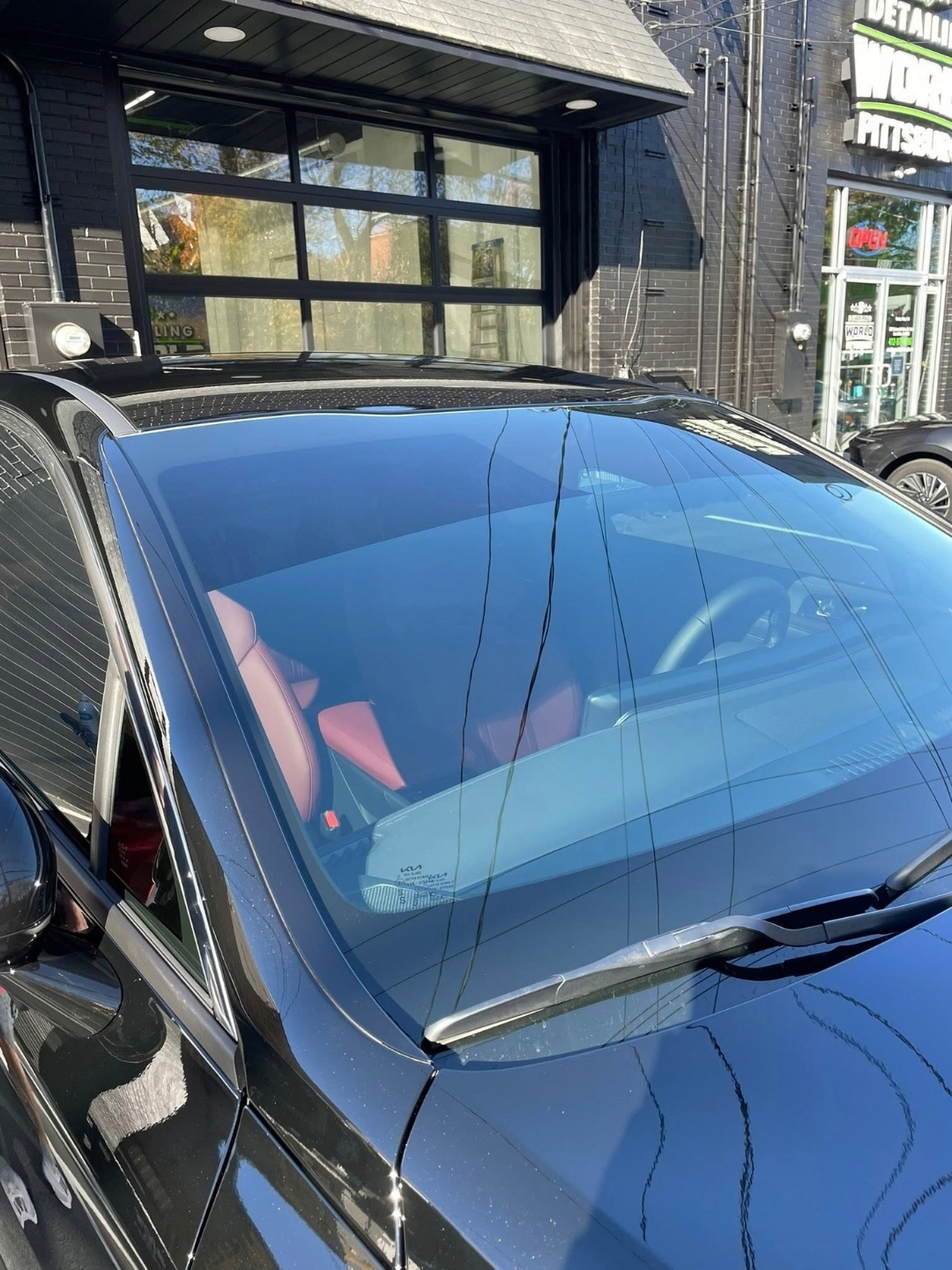
Before you book a window tint appointment, it’s worth knowing what Pennsylvania actually allows. Tint laws vary significantly by state, and installing film that doesn’t meet the applicable requirements can result in a citation even if the work itself is done well. For drivers in West Mifflin and the greater Pittsburgh area, understanding the rules for your specific vehicle is an important first step before deciding how dark to go.
Why Window Tint Laws Exist
Window tint laws exist primarily for two safety reasons: making sure drivers have adequate visibility, especially at night, and allowing law enforcement and other drivers to see into vehicles when necessary. That’s why the rules are generally stricter for windshields and front side windows, which are most directly tied to driving visibility. Requirements for rear windows vary depending on the vehicle’s classification and model year.
Pennsylvania’s General Window Tint Rules
Pennsylvania regulates window tint based on visible light transmission (VLT), which measures how much visible light passes through the glass and any applied film.
According to the Pennsylvania Department of Transportation (PennDOT), the general requirements include:
- Windshield: The minimum total light transmission is generally 70%. Pennsylvania also permits certain transparent sun-screening materials along the upper windshield, subject to restrictions involving the AS-1 area and a maximum placement of 3 inches from the top edge.
- Front side windows: These generally must allow at least 70% of visible light to pass through, including both the factory glass and any aftermarket film.
- Rear side windows and rear window on passenger cars: For passenger cars manufactured in 1998 or later, PennDOT generally requires at least 70% light transmission on these windows as well. Certain older passenger cars have different rear-window provisions.
- Rear windows on trucks and multi-purpose passenger vehicles: PennDOT does not specify the same minimum VLT requirement for rear side windows and rear windows on qualifying vehicles in these categories. Other applicable visibility and mirror requirements still apply.
- Reflective or mirrored tint: Films that obstruct visibility into the vehicle or otherwise fail applicable glazing requirements may not be permitted. Reflective appearance alone should not be used to determine whether a film complies with Pennsylvania law.
The distinction between passenger cars and qualifying trucks or multi-purpose passenger vehicles is important. A darker rear-window tint that may be permissible on certain SUVs or trucks is not automatically legal on a standard sedan.
These requirements are based on PennDOT guidance and Pennsylvania vehicle regulations. Because vehicle classification and specific glazing conditions can affect what’s permitted, drivers should confirm the applicable requirements before installation.
Medical Exemptions
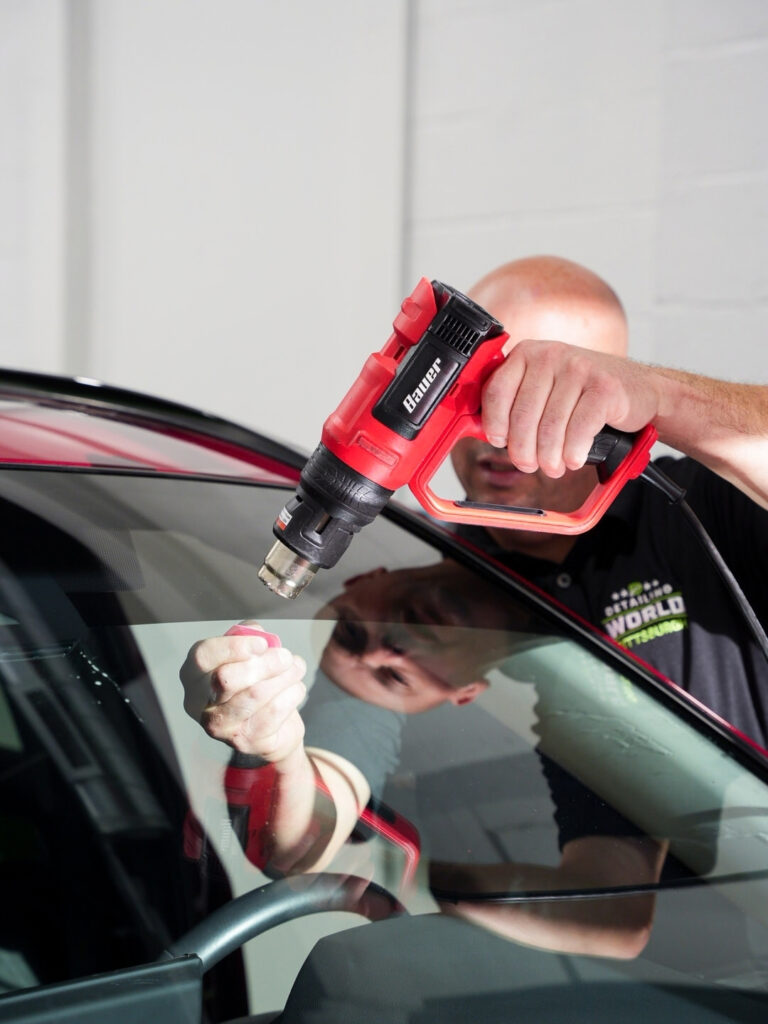
Pennsylvania provides medical exemptions for certain window tint products used to filter ultraviolet light. However, this does not mean every driver with a medical condition can automatically install darker window film.
PennDOT describes medical exemptions for colorless UV-filtering products. Drivers who believe they qualify should contact PennDOT’s Medical Unit to confirm the documentation and approval requirements before making modifications.
The exemption process is handled through the state rather than being granted by a window tint installer.
Why People Tint Their Windows (Beyond the Law)
Legal requirements aside, window tint offers practical benefits that go beyond appearance:
- UV protection: Quality window films can block a significant portion of ultraviolet radiation, helping protect vehicle occupants and interior materials from prolonged sun exposure.
- Heat reduction: Certain films reduce solar heat entering the cabin, which can improve comfort when a vehicle is parked or driven in direct sunlight.
- Glare reduction: Window tint can reduce harsh sunlight and reflections. However, excessively dark film can also compromise visibility in low-light conditions.
- Privacy: Where darker tint is legally permitted, it can make the vehicle’s interior less visible from outside.
For a closer look at these advantages, see our article on the benefits of professional window tinting.
What Happens If Your Tint Doesn’t Meet the Legal Limit
If your vehicle’s tint does not comply with Pennsylvania’s requirements, you may receive a citation during a traffic stop. You may also need to remove or replace noncompliant film to address the violation.
This is one reason it’s worth choosing a tint percentage based on your vehicle’s actual classification and window measurements rather than assuming a popular shade is legal.
A tint percentage commonly used in another state may not meet Pennsylvania’s requirements, even if the same film is professionally installed.
Tint and Factory Privacy Glass
Some vehicles come from the factory with privacy glass, particularly on rear windows. This glass is manufactured with its darker appearance built into the material rather than created by applying aftermarket film.
Factory-installed glazing may be treated differently from aftermarket tint under applicable vehicle glazing standards. However, this does not mean every vehicle with dark factory rear glass is exempt from Pennsylvania’s requirements.
Vehicle classification, original equipment specifications, and the addition of aftermarket film all matter.
If your vehicle already has factory privacy glass, mention it to your installer before choosing additional tint. Applying film over existing privacy glass can further reduce total visible light transmission.
Choosing a Tint Percentage
Window tint is typically described by VLT percentage. A lower percentage means less visible light passes through, resulting in a darker appearance.
For example, a film labeled 35% VLT allows less visible light through than one labeled 70% VLT.
When deciding how dark to go, consider:
- Your primary goal: If UV and heat reduction matter more than privacy or appearance, a lighter high-performance film may provide meaningful benefits without requiring a dark shade.
- Your vehicle classification: Rear-window requirements can differ between passenger cars and qualifying trucks or multi-purpose passenger vehicles.
- Your preferred appearance: Some drivers want a uniform look across all windows, while others prioritize visibility and comfort.
- Any applicable exemption: Confirm exemption eligibility directly with PennDOT before selecting a product that would otherwise fall outside standard requirements.
The right choice is not necessarily the darkest film available. It is the film that meets your needs while remaining appropriate for your vehicle and Pennsylvania’s regulations.
Types of Window Tint Film
Not all window films are the same, and film construction influences heat rejection, appearance, durability, and price. Understanding the different types of car window tint can help you compare film options beyond their darkness alone.
- Dyed film is generally among the more affordable options. It reduces glare and adds privacy, but often provides less heat rejection than more advanced films and may fade over time.
- Carbon film typically offers better heat rejection than basic dyed film without the metallic appearance or potential electronic signal interference associated with some metalized films.
- Ceramic film uses advanced film technology to improve heat rejection while maintaining optical clarity. Many ceramic films provide strong UV protection without requiring an especially dark appearance.
Film performance depends on the actual product, not simply whether it is labeled ceramic or carbon.
Attention II Detail offers professional window tinting using products including Global Window Film and PRIME XR Plus Ceramic Film. The appropriate film and shade depend on your vehicle, performance goals, and applicable legal requirements.
How Window Tint Installation Works
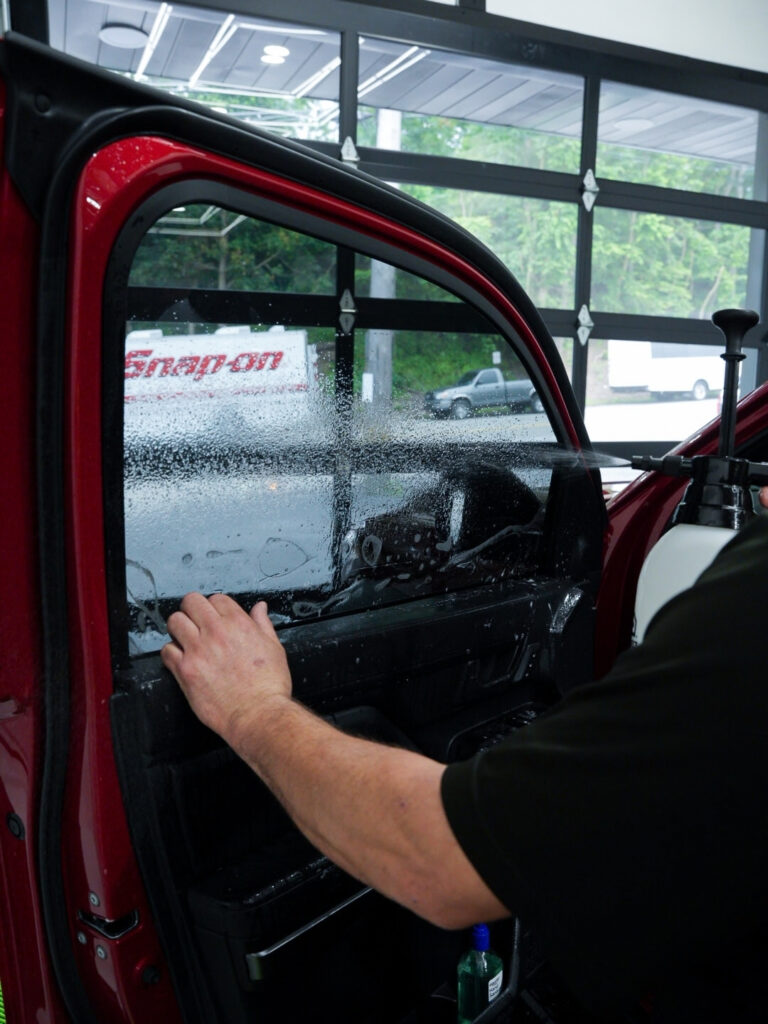
Professional tint installation typically begins with thoroughly cleaning the glass to remove dust, oils, and debris that could become trapped underneath the film.
The installer then prepares film cuts to match each window’s dimensions, either using vehicle-specific patterns or careful custom cutting. An application solution helps position the film before excess moisture and air are removed using specialized tools.
Once installed, the film requires time to dry and fully adhere to the glass. During this period, some moisture or temporary haziness may be visible, depending on the film and environmental conditions.
The recommended curing period varies by product and installation conditions, so following the installer’s specific instructions is essential.
Caring for Newly Tinted Windows
A few practical habits help newly installed window film cure properly and maintain its appearance:
- Avoid rolling down the windows until your installer confirms it is safe to do so.
- Use tint-safe glass cleaners rather than harsh chemicals or products that may damage the film.
- Avoid abrasive cleaning materials on the interior side of tinted glass, where the film is typically installed.
Routine care remains important after curing. Gentle cleaning with suitable products helps preserve the film’s clarity and appearance over time.
Common Window Tint Misconceptions
“Darker is always better.” Not necessarily. Very dark tint can reduce nighttime visibility, and darker film is not automatically better at rejecting heat. Film technology matters as much as shade.
“All tint film performs the same, so price doesn’t matter.” Film quality varies considerably. Different products offer different levels of UV protection, solar heat rejection, optical clarity, and long-term durability.
“Once it’s installed, tint doesn’t need any care.” Window film is designed for regular use, but proper cleaning and reasonable care help prevent unnecessary surface damage and preserve its appearance.
How Tint Percentage Is Actually Measured
VLT is measured by evaluating the amount of light passing through the glass and any film applied to it.
This matters because factory glass already absorbs or blocks some visible light before aftermarket film is installed.
For example, placing a film advertised as 70% VLT over factory glass does not necessarily produce a finished window with 70% total light transmission. The combined measurement may be lower.
A properly calibrated tint meter can help establish the actual light transmission of the completed window.
For Pennsylvania drivers, the total measurement is particularly important because the state’s published minimum values refer to light passing through the window assembly, not simply the advertised rating of the film.
Tint and Vehicle Inspections
Pennsylvania’s window tint rules are sometimes confused with the state’s annual safety inspection requirements.
According to PennDOT, the requirement to check window tint during routine vehicle safety inspections was eliminated in 1996.
However, that does not mean noncompliant window tint is legal. Vehicles with tint that violates applicable requirements may still be stopped and cited while being operated on public roads.
In other words, the absence of a routine tint inspection requirement does not remove the driver’s responsibility to comply with Pennsylvania’s window tint regulations.
Tint Darkness and Personal Preference Within the Legal Range
Even when you are working within the applicable light-transmission requirements, appearance and comfort can influence which film you choose.
Some drivers prefer a lighter, nearly transparent film that emphasizes heat and UV protection. Others want a darker appearance where their vehicle’s classification and window location allow it.
The important distinction is between choosing a film for performance and choosing one primarily for darkness. A high-quality lighter film can sometimes deliver better heat rejection than a darker film made with less advanced technology.
That makes it possible to prioritize driving comfort without automatically choosing the lowest available VLT percentage.
Tint for Commercial and Fleet Vehicles
Commercial vehicles may have different window tint considerations depending on how they are classified.
Pennsylvania’s rules distinguish among passenger cars, trucks, multi-purpose passenger vehicles, and other vehicle categories. The same tint percentage should not be assumed appropriate for every type of work vehicle.
Businesses considering tint for a company vehicle should confirm its classification and applicable glazing requirements before installation.
This is especially important when comparing passenger sedans with vans, trucks, or other vehicles used for commercial purposes.
Why Local Weather Patterns Make Tint Worth Considering
West Mifflin and the greater Pittsburgh area experience a mix of warm summers, cold winters, and cloudy conditions throughout the year.
Window tint’s UV-filtering benefits are relevant beyond the hottest summer months because ultraviolet radiation can still reach vehicles during cloudy weather.
Heat rejection becomes particularly noticeable during warmer periods, when direct sunlight can increase cabin temperatures substantially.
For local drivers who spend time commuting, parking outdoors, or traveling throughout the Pittsburgh area, choosing film based on both legal compliance and performance can provide practical benefits across different seasons.
Getting It Installed Correctly
Professional installation affects both the appearance and long-term performance of window film.
Poor installation can lead to trapped debris, peeling edges, or visible imperfections. Proper surface preparation, accurate film placement, and appropriate curing conditions help achieve a clean finish.
It is also important to consider the legal requirements before installation rather than selecting a shade based solely on appearance.
A reputable installer should help you understand the film options, their performance characteristics, and the applicable requirements for your vehicle.
Frequently Asked Questions
Can I tint my windshield in Pennsylvania?
Pennsylvania generally requires at least 70% total light transmission through the windshield. Certain transparent sun-screening materials are permitted along the upper edge, subject to restrictions involving the AS-1 area and placement within 3 inches of the top. Confirm the applicable requirements before installing windshield film.
What’s the darkest legal tint for my front windows?
PennDOT generally requires front side windows to allow at least 70% of visible light through. This refers to the total transmission of the glass and film together, not just the film’s advertised VLT rating.
Are rear windows allowed to be darker than front windows?
It depends on the vehicle. Passenger cars manufactured in 1998 or later generally require at least 70% light transmission on rear windows. Qualifying trucks and multi-purpose passenger vehicles have different rear-window requirements, with no specified minimum VLT in PennDOT’s standard table for those rear windows.
Can I get a medical exemption for darker tint?
Pennsylvania provides medical exemptions for certain colorless UV-filtering window products. An exemption should not be assumed to authorize any dark tint percentage. Contact PennDOT’s Medical Unit for current eligibility and documentation requirements.
Does window tint actually reduce interior heat?
Yes. Many automotive window films reduce solar heat entering the cabin, although performance varies by product. High-performance films can provide meaningful heat rejection without necessarily requiring a very dark tint.
What happens if my existing tint doesn’t meet legal limits?
You may be cited while operating the vehicle on Pennsylvania roads. Correcting the issue may require removing or replacing noncompliant film. A qualified installer can help measure the existing tint and discuss suitable alternatives.
Is there a difference between factory privacy glass and aftermarket tint?
Yes. Factory privacy glass is manufactured with its darker appearance built into the glass, while aftermarket tint is an additional film applied to an existing window. Applicable requirements depend on the vehicle classification, original glazing specifications, and any film subsequently installed.
Choosing Legal Window Tint in West Mifflin, PA
Understanding Pennsylvania’s window tint requirements helps you make a more informed decision before booking an installation. The right film should balance comfort, UV protection, appearance, visibility, and the regulations that apply to your vehicle.
At Attention II Detail, we offer professional Window Tint services for drivers in West Mifflin and the greater Pittsburgh area. Contact our team at (412) 469-9020 to discuss available film options and find a suitable solution for your vehicle.