
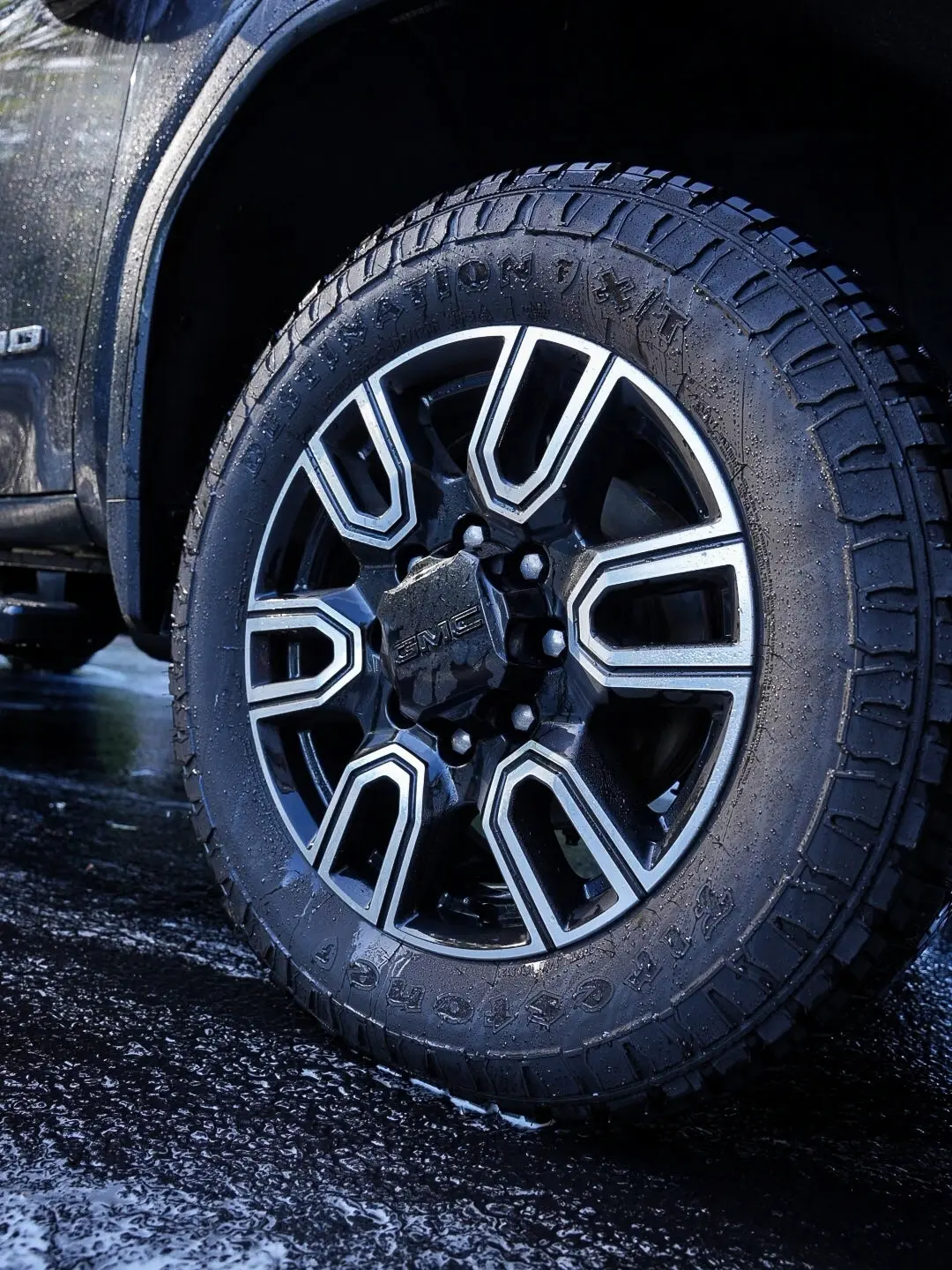
Wheels take more abuse than almost any other part of a vehicle. Curb strikes, brake dust, road salt, and years of exposure can eventually leave them with curb rash, corrosion, or a faded finish. Powder coating is one way to restore their appearance and provide a durable new finish, but it isn’t necessarily the right investment for every wheel. Whether it’s worth it depends on the condition of your wheels, the results you want, and whether refinishing makes more sense than repainting or replacement.
What Powder Coating Actually Is
Powder coating is a dry finishing process. Instead of applying liquid paint, the process uses an electrostatically charged powder that adheres to a prepared metal surface. The coated part is then heated under controlled conditions, allowing the powder to flow and cure into a protective finish.
This application and curing method can produce a durable, uniform coating that resists everyday environmental exposure. However, its performance depends on the coating formulation, surface preparation, application, and proper curing. Understanding those factors is important when deciding whether powder coating is worthwhile for your wheels.
Why Powder Coating Is Popular for Wheels
Wheels are frequently exposed to conditions that gradually wear down their finish. Powder coating offers several practical advantages:
- Resistance to chipping and wear: Properly applied automotive powder coatings can offer strong resistance to minor chips and abrasions. However, they cannot prevent damage from significant impacts or curb strikes.
- Corrosion and weather resistance: A suitable coating system can help protect prepared metal surfaces against moisture, road salt, and other environmental exposure.
- A wide range of finishes: Powder coating allows vehicle owners to choose different colors, textures, and gloss levels to restore or customize the appearance of their wheels.
- An opportunity to address cosmetic damage: The preparation process can include repairing suitable curb rash or surface imperfections before applying a new finish.
These benefits make powder coating appealing for owners who want to refresh their wheels without necessarily replacing them. Still, the underlying wheel must be suitable for refinishing.
The Powder Coating Process for Wheels
While the details vary depending on wheel construction and condition, the process typically involves:
- Wheel and tire removal: Wheels generally need to be separated from their tires and removable components before coating.
- Removing the existing finish: Old paint, clear coat, and surface contamination are stripped away through suitable preparation methods, which may include media blasting.
- Repairing surface imperfections: Cosmetic damage, such as certain forms of curb rash, may need separate treatment before coating. Stripping alone does not repair gouges or restore missing metal.
- Applying the powder: The prepared surface receives an electrostatically applied powder coating, with critical mounting and fitment areas protected as necessary.
- Curing the finish: Controlled heating allows the powder to flow and cure into the intended protective coating.
Attention II Detail includes wheel preparation, coating, and curing in its published Powder Coatings service description. The handling of repairs, tire removal, remounting, and related work should be confirmed when requesting a quote.
For more detail about the finishing stages, see our article on the powder coating process for wheels.


Powder Coating and Wheel Balance
Because wheel powder coating generally requires removing the tire, proper remounting and wheel balancing should be considered before the vehicle returns to regular driving.
Balancing helps compensate for uneven weight distribution in the wheel and tire assembly. This is relevant whenever tires are removed and remounted, regardless of whether the wheel has been refinished.
However, tire removal, reinstallation, and balancing should not automatically be assumed to be included in every powder coating package. Before booking, confirm which steps are handled by the coating provider and whether additional services or charges apply.
Signs Your Wheels Might Need Refinishing
A few common indicators that wheels are due for attention include visible curb rash along the outer lip, a chalky or faded appearance compared with when the wheels were new, small chips revealing bare metal, or surface corrosion appearing around exposed areas.
These are generally cosmetic concerns that may make refinishing worthwhile when the wheel itself remains structurally sound.
Damage affecting the wheel’s shape, strength, or ability to hold air requires a different evaluation. A new coating can improve surface appearance, but it cannot resolve those underlying problems.
Powder Coating vs. Painting Wheels
| Feature | Powder Coating | Traditional Wheel Painting |
| Application method | Dry powder applied electrostatically | Liquid coating applied by spraying |
| Curing process | Controlled heat curing | Air drying, chemical curing, or baking depending on the paint system |
| Durability | Can provide strong chip, wear, and corrosion resistance | Depends on paint formulation, preparation, and application |
| Finish variety | Multiple colors, textures, and gloss levels | Wide range of colors and finishes |
| Wheel removal | Generally required for complete wheel refinishing | Often preferred, although some localized repairs may be performed without full removal |
| Structural repairs | Does not repair bent or cracked wheels | Does not repair bent or cracked wheels |
Powder coating may be a worthwhile option if long-term finish durability and complete refinishing are priorities. Traditional painting can also produce excellent results, particularly when the paint system is properly selected and applied.
The better choice depends on wheel condition, desired appearance, available repair methods, and total project cost rather than assuming one process always outperforms the other.
What Powder Coating Can’t Fix
Powder coating refinishes a wheel’s surface. It does not repair:
- Bent or structurally damaged wheels, which require a separate safety assessment and appropriate repair or replacement.
- Cracked wheels, where continued use may create a safety concern and replacement may be necessary.
- Deep gouges or missing material, which may require additional evaluation and repair before cosmetic refinishing can be considered.
A proper assessment should establish whether the wheel is structurally suitable for coating before any cosmetic work begins.
Applying a new finish over unsafe or severely damaged wheels does not make them roadworthy.
Powder Coating and Wheel Design Details
Wheels with intricate spoke patterns, recessed sections, or multi-piece construction can require more preparation than simpler single-piece designs.
Every visible surface and suitable recess must be prepared and coated correctly, while critical areas such as mounting surfaces, hub bores, and lug holes must remain within their intended fitment requirements.
Certain machined or specialty finishes may also require different refinishing approaches to preserve their original appearance.
This doesn’t mean complex wheel designs cannot be powder coated. It means preparation requirements and finishing options should be evaluated for the specific wheel rather than assuming every design can receive the same treatment.
Is Powder Coating Worth It?
Whether powder coating makes sense usually comes down to a few practical factors.
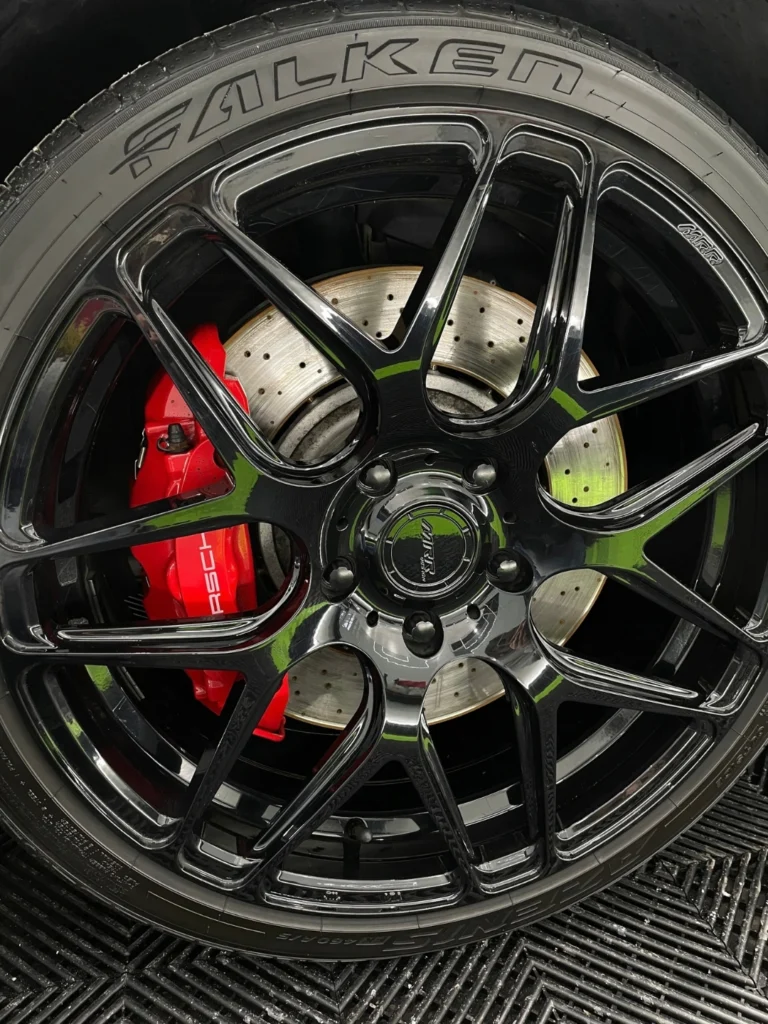
How much you value the wheels. OEM wheels on a vehicle you plan to keep, or aftermarket wheels you specifically selected, may be worth refinishing rather than replacing if they remain structurally sound.
The extent of the damage. Cosmetic curb rash, fading, and surface deterioration may justify refinishing. Structural damage requires separate evaluation and may make replacement the more appropriate choice.
How long you want to maintain the finish. Properly applied powder coating can provide durable surface protection, but longevity depends on product quality, driving conditions, preparation, and maintenance.
Whether you want a color change. Refinishing provides an opportunity to move beyond the original wheel color and select an appearance that better suits your vehicle.
How the cost compares with alternatives. At Attention II Detail, published Powder Coatings pricing starts at $749 for wheels 20 inches or smaller and $849 for wheels 21 inches or larger. These are starting prices, not guaranteed totals for every project. Wheel condition, preparation needs, finish selection, and any additional work can influence the final quote.
Comparing the total refinishing estimate with the cost of suitable replacement wheels can help determine whether powder coating offers reasonable value for your situation.
Powder Coating Turnaround Expectations
Powder coating involves several stages, including inspection, preparation, any necessary cosmetic repair, application, and curing.
The overall turnaround depends on the number of wheels, their condition, the complexity of the design, and the finishing process being used.
A straightforward refinishing project may require less preparation than a set of wheels with corrosion or surface damage that needs additional attention.
Rather than assuming a fixed completion time, ask for an estimated turnaround based on your specific wheels and the scope of work.
Maintaining Powder-Coated Wheels
Powder coating is durable, but it isn’t indestructible. A hard curb strike can still chip or damage the finish, while brake dust, road grime, and salt should be removed regularly rather than left to accumulate.
Gentle washing with suitable wheel-cleaning products and nonabrasive tools helps maintain the coating’s appearance. Avoid harsh cleaning methods that may damage the finish or expose vulnerable areas.
If brake dust or grime remains after routine washing, our article on signs your car needs professional detailing explains when wheels and wheel wells may benefit from more thorough cleaning.
Maintaining a refinished wheel does not require complicated treatment, but consistent care can help protect the investment.
Powder Coating Beyond Wheels
Although wheels are among the most recognizable automotive applications, powder coating can also be used on suitable metal components, including certain brake calipers, trim pieces, and other removable parts.
These applications share the same basic finishing principles, but each component must be appropriate for the required preparation and curing temperatures.
Parts containing heat-sensitive materials or components that cannot be safely removed may not be suitable for conventional powder coating without additional preparation.
Attention II Detail also offers Powder Coatings for qualifying automotive metal parts beyond wheels, with project suitability depending on the component and requested finish.
How to Tell If Your Wheels Are Good Candidates
Before investing in powder coating, it’s useful to distinguish between cosmetic issues and more serious wheel damage.
- Cosmetic concerns: Fading, light curb rash, surface corrosion, or worn finishes can make a structurally sound wheel a reasonable candidate for refinishing.
- Structural concerns: Noticeable bends, cracks, or persistent air loss should be evaluated before considering cosmetic work.
- Mixed conditions: A wheel may have both cosmetic imperfections and damage requiring separate attention. Identifying those issues early helps determine whether refinishing is worthwhile.
The decision should be based on the wheel’s actual condition rather than appearance alone. An inspection before coating is the most reliable way to establish whether the project is appropriate.
Color and Finish Options
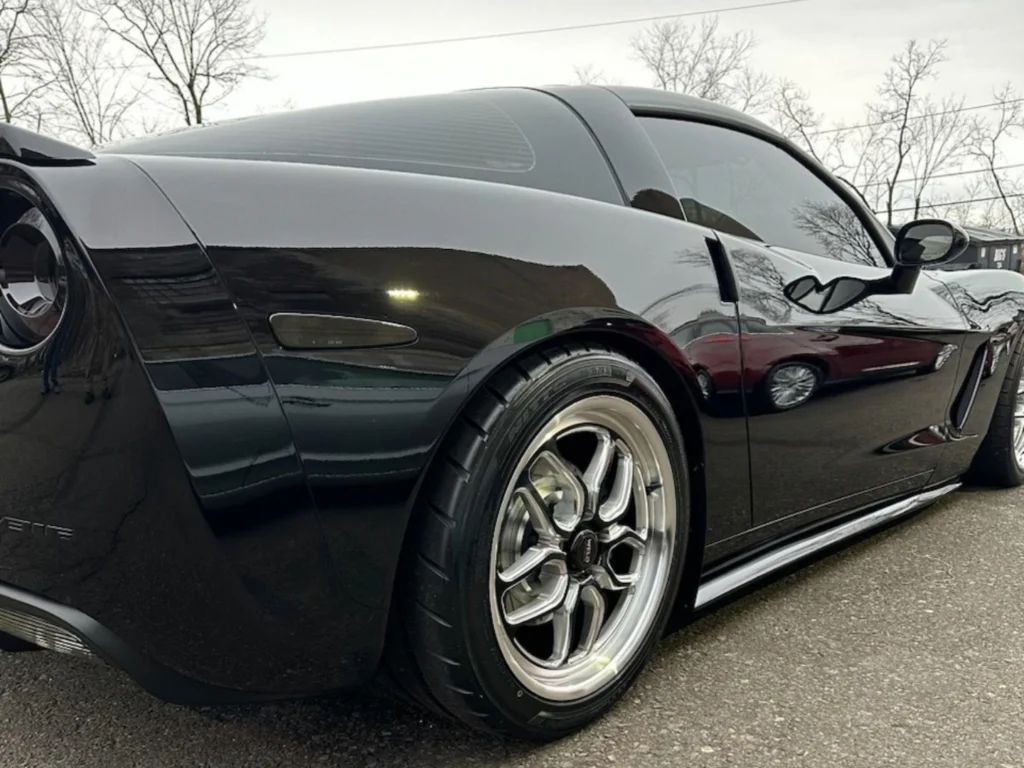
Since powder coating typically involves removing the old finish, it provides an opportunity to refresh the original appearance or choose something different.
Common finish categories include gloss, satin, matte, and textured options, although specific availability depends on the coating system and service provider.
Attention II Detail lists Gloss Black, Satin Black, and Flat Black among its popular Powder Coatings finishes, with additional customization options described on its website.
When choosing a finish, consider how the color and texture will complement your vehicle and how you plan to maintain the wheels. A finish that looks appealing in a showroom should also suit your everyday driving conditions and cleaning preferences.
Common Myths About Powder Coating Wheels
“Powder coating is basically the same as spray paint.” Not quite. Powder coating uses electrostatically applied dry powder and controlled heat curing, while traditional painting uses liquid coatings and different curing methods. Both require appropriate preparation to produce durable results.
“Powder coating can fix any wheel, no matter the damage.” It is a refinishing process, not a structural repair. Cosmetic imperfections may be addressed during preparation, but bent or cracked wheels require separate attention.
“Once it’s powder coated, a wheel is basically indestructible.” Powder coating can resist everyday wear, but significant impacts, curb strikes, and neglected damage can still compromise the finish.
Choosing a Shop for Powder Coating
Because wheel refinishing involves more than simply applying a new color, it’s worth choosing a provider experienced in preparing and finishing automotive wheels.
Proper inspection, surface preparation, coating application, and curing all affect the final result. Critical mounting areas must also be protected so the finished wheel remains compatible with its intended fitment.
Before scheduling service, ask what preparation is included, whether cosmetic repairs are available, how tire removal and balancing are handled, and what finish options are suitable for your wheels.
Understanding the complete scope helps you compare estimates accurately and avoid unexpected assumptions about what a quoted package includes.
Wheel Material Considerations
Most passenger vehicle wheels are made from aluminum alloy or steel, and both materials can potentially be powder coated when the wheel and coating process are suitable.
However, preparation and curing requirements may vary depending on the wheel’s construction, material, prior repairs, and manufacturer specifications.
Aluminum alloy wheels are common candidates for cosmetic refinishing, while steel wheels may also be suitable depending on their condition and intended use.
Specialty wheel designs or certain repaired wheels may require additional evaluation. Confirming material compatibility helps prevent an otherwise cosmetic project from introducing avoidable problems.
How Powder Coating Compares on Environmental Impact
Powder coating has some environmental advantages over conventional solvent-based liquid finishing systems.
Many powder coatings contain little or no solvent and generally produce low volatile organic compound (VOC) emissions during application. In suitable production environments, certain types of overspray powder can also be recovered and reused.
However, the overall environmental impact depends on the formulation, preparation process, energy used for curing, waste handling, and whether powder recovery is practical.
For vehicle owners comparing refinishing methods, these are useful considerations, but they should not be treated as a guarantee that every powder coating process has a lower total environmental impact.
Frequently Asked Questions
Is powder coating better than painting wheels?
It depends on your priorities. Properly applied powder coating can provide strong resistance to chipping, corrosion, and everyday wear, while high-quality liquid paint systems can also perform well. The best choice depends on the wheel, finish requirements, preparation quality, and budget.
Can powder coating fix curb rash?
Powder coating can restore the appearance of wheels with cosmetic curb rash, but the damaged surface may need to be repaired and prepared before the new finish is applied. The coating itself does not remove gouges or restore missing metal.
Does powder coating fix a bent wheel?
No. Powder coating is a cosmetic refinishing process. A bent, cracked, or structurally damaged wheel requires a separate professional assessment to determine whether repair or replacement is appropriate.
How long does powder coating typically last on wheels?
A properly applied powder coating can remain durable for years, but its lifespan depends on the coating system, preparation quality, driving conditions, exposure to road salt, and maintenance. No single lifespan applies to every wheel or finish.
Do I need to remove the tire before powder coating?
Typically, yes. Complete wheel powder coating generally requires separating the tire from the wheel before preparation and curing. However, tire removal, remounting, and balancing are not necessarily included in every service quote, so confirm those details before booking.
Can I change the color of my wheels with powder coating?
Yes. Powder coating can be used to change the color or finish of structurally suitable wheels. Attention II Detail lists Gloss Black, Satin Black, and Flat Black among its popular options, with additional customization possibilities depending on the project.
Deciding If Your Wheels Are Worth Refinishing in West Mifflin
Powder coating can be a worthwhile investment when your wheels are structurally sound and you want to restore their appearance, improve finish durability, or choose a different color. However, cosmetic refinishing is not a substitute for addressing cracks, bends, or other structural concerns.
At Attention II Detail, we help drivers in West Mifflin and the greater Pittsburgh area explore professional wheel refinishing options based on their goals and wheel condition.
Explore our Powder Coatings services or call (412) 469-9020 to discuss available finishes, pricing, and the appropriate next steps for your wheels.


