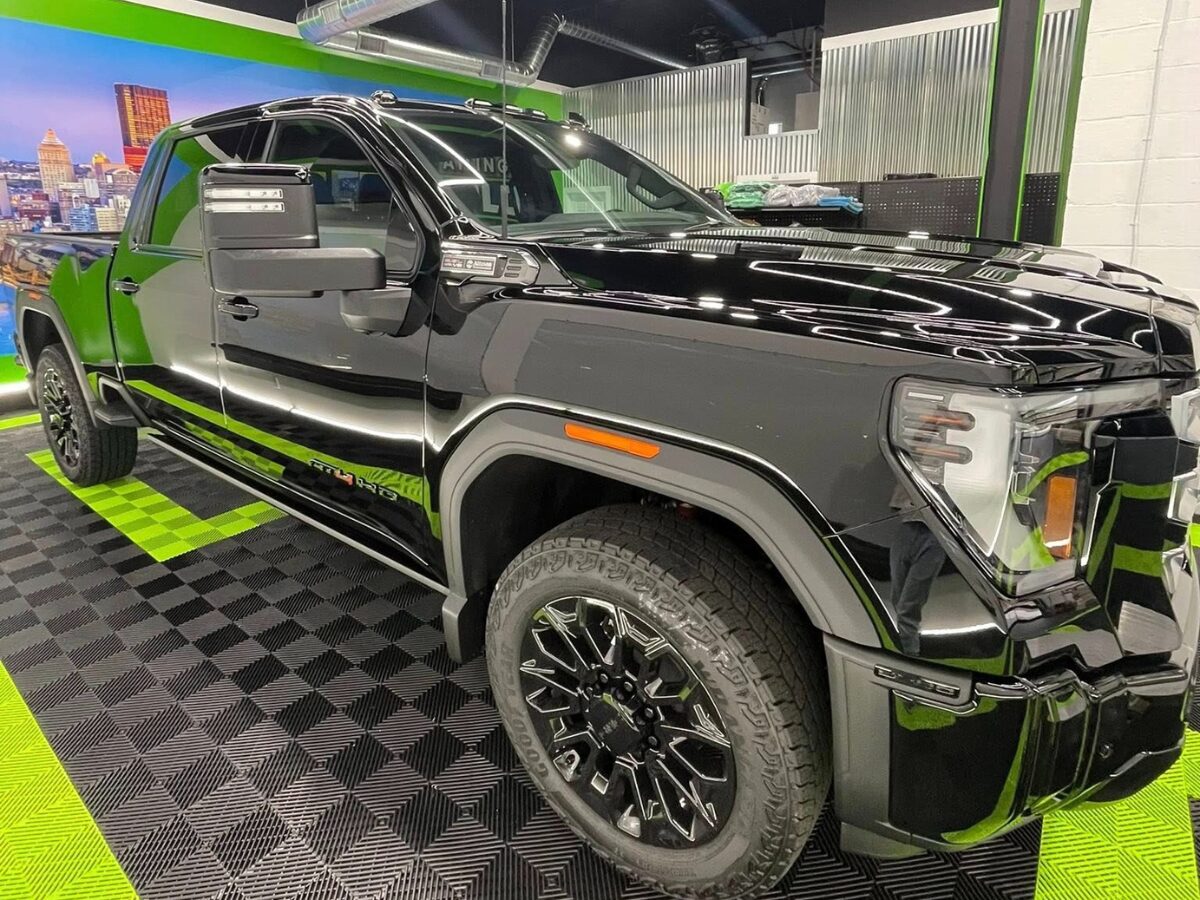
PPF and ceramic coating solve genuinely different problems, not competing versions of the same one, even though both are frequently marketed together under a broad “paint protection” umbrella. Paint Protection Film is a physical, self-healing urethane film applied to specific panels to help absorb impacts from rock chips and road debris before they reach the paint. Ceramic coating is a surface treatment that adds hydrophobic behavior and gloss, making routine washing genuinely easier over time. Choosing between them — or combining both — depends entirely on what’s actually bothering you about your vehicle’s exterior right now.
What PPF Actually Is
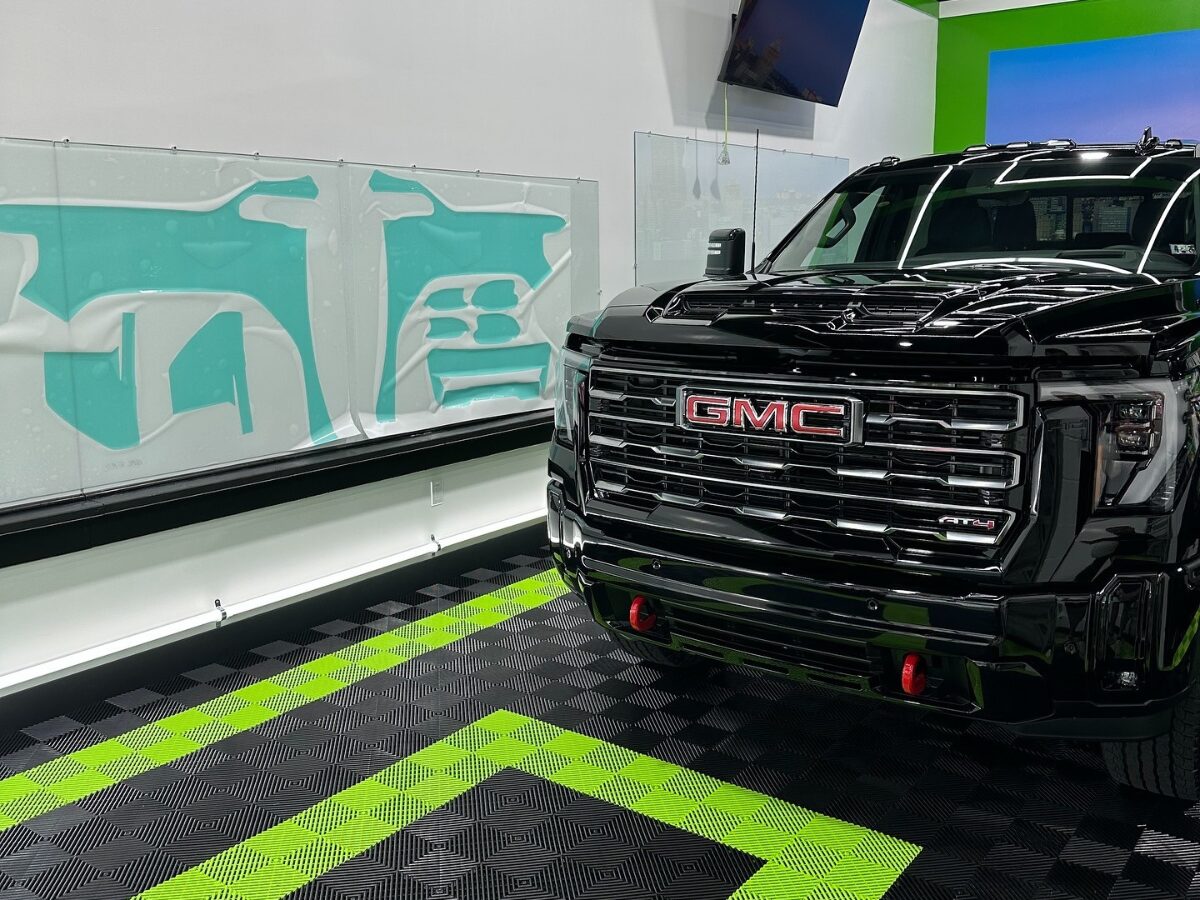
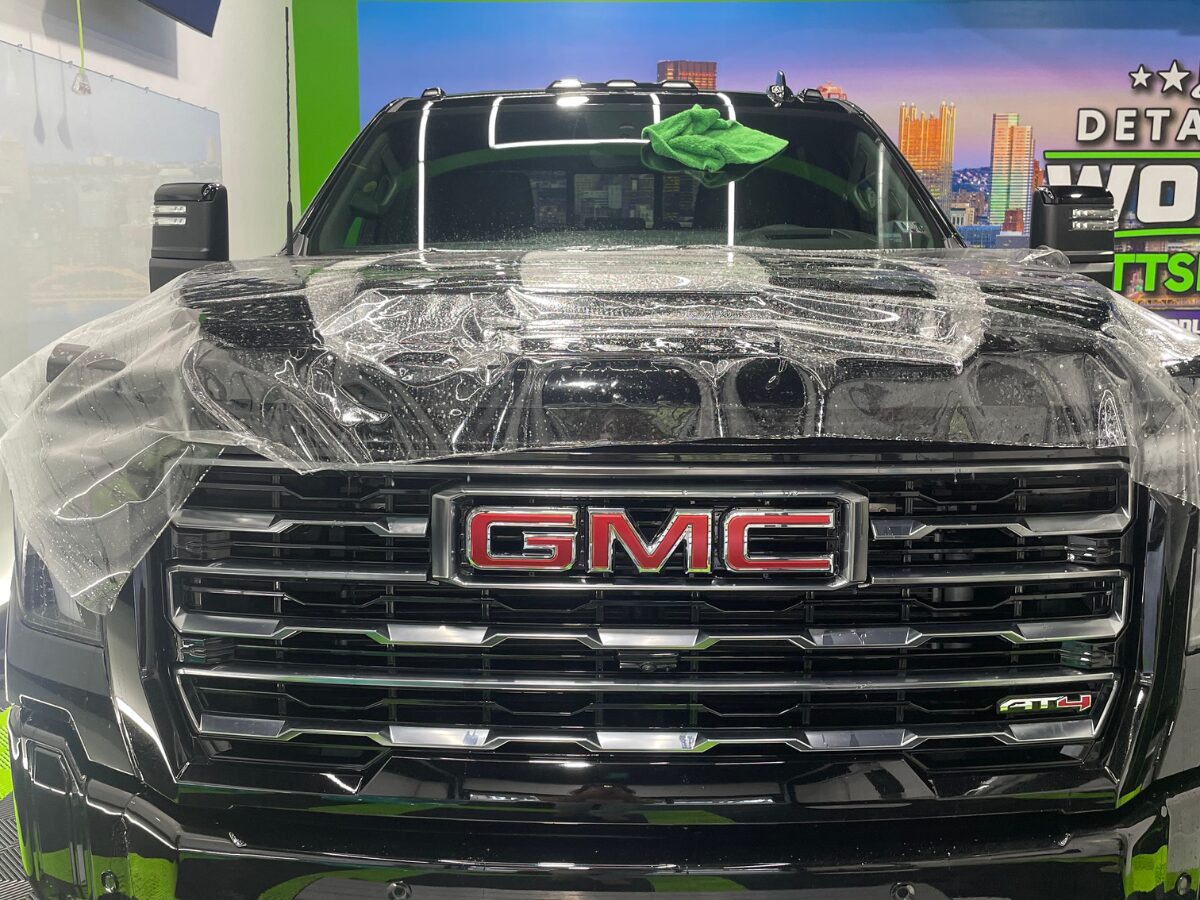
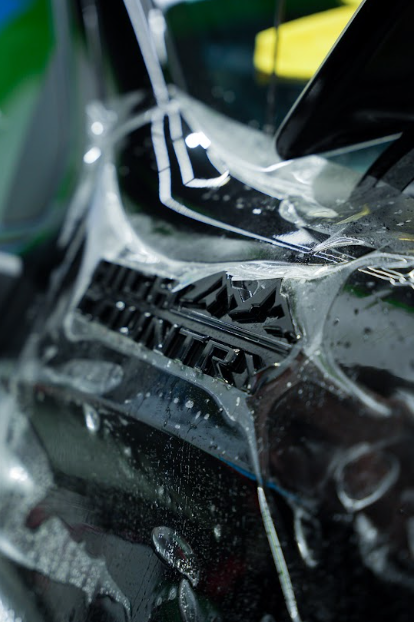
Paint protection film is a thick, transparent urethane layer applied directly to a vehicle’s painted surfaces, acting as a genuine physical barrier between the paint and the road below. It’s specifically designed to help absorb the impact from rock chips, road debris, and minor abrasion before that damage actually reaches the paint underneath the film. Attention II Detail installs STEK PPF, which includes self-healing technology — minor scratches and swirl marks in the film itself can genuinely diminish on their own with heat exposure, whether from direct sunlight or warm water during a wash.
What Ceramic Coating Actually Is
Ceramic coating is a liquid polymer applied to a vehicle’s surface, bonding with the paint to create a protective layer that offers enhanced durability and makes ongoing maintenance considerably easier. It boosts the vehicle’s shine and provides genuine resistance to some environmental elements and UV exposure over time. It’s fundamentally a surface-behavior treatment, not a physical barrier of any kind — a meaningful distinction that matters throughout the rest of this comparison and shouldn’t be glossed over.
Does Ceramic Coating Stop Rock Chips?
No. Ceramic coating is not designed to provide the physical impact protection associated with paint protection film. Coating is a thin, bonded chemical layer rather than a physical barrier with the thickness to absorb an impact from road debris — a rock kicked up on the highway reaches the paint the same way whether or not the surface is coated.
PPF vs. Ceramic Coating: A Direct Comparison
| Factor | Paint Protection Film | Ceramic Coating |
|---|---|---|
| Primary purpose | Physical impact protection | Surface behavior — hydrophobic properties, gloss |
| Rock-chip protection | Its core purpose | Not designed for this |
| Scratch resistance | Genuine resistance to minor abrasion, with self-healing properties for minor marks | Adds a protective layer but does not make paint scratch-proof |
| Hydrophobic behavior | Present to some degree, but not the primary function | Core characteristic |
| Gloss | Can be finished in gloss or satin | Can meaningfully enhance gloss |
| Environmental contamination | Provides some resistance, secondary to its physical role | Helps resist some environmental contamination directly |
| Maintenance | Requires its own care, including attention to film edges | Makes routine washing easier, but doesn’t eliminate it |
| Application strategy | Often applied to high-impact panels first, extending to full coverage | Typically applied across the entire exterior |
| Can they be combined? | Yes | Yes |
Rock Chips, Scratches, and Road Debris
Rock chips and general road debris represent physical impacts — the kind of damage PPF is specifically designed to help absorb on the panels it actually covers. Scratches from other sources, like careless contact in a parking lot or a shopping cart brushing against a door panel, can also be reduced in visibility by PPF’s self-healing properties, though this genuinely depends on the severity of the mark and how deep it actually goes. Ceramic coating doesn’t meaningfully address either category of damage, since it simply isn’t built with the physical thickness required to do so, regardless of which specific coating tier or product is chosen.
This distinction is worth sitting with for a moment, since it’s the foundation the rest of this entire comparison rests on. A vehicle can have perfectly glossy, well-maintained, coated paint and still pick up a rock chip on the highway the very next day — coating simply isn’t designed to prevent that specific kind of outcome from happening.
Gloss and Hydrophobic Behavior
Both services can genuinely affect a vehicle’s appearance, but through entirely different underlying mechanisms. Coating’s hydrophobic behavior is its defining characteristic, and it’s specifically formulated to enhance gloss and make water and light contamination rinse away more easily during regular washing. PPF can be finished in gloss or satin depending on the owner’s specific preference, and while it does offer some surface benefits as a byproduct of the film itself, its construction is fundamentally about the physical barrier rather than gloss enhancement as a primary design goal.
Can PPF and Ceramic Coating Be Combined?
Yes. This is a genuinely common approach across the industry — film applied to the most exposed panels for physical protection, with compatible coating applied over the film and across the rest of the vehicle for consistent gloss and easier maintenance everywhere on the vehicle. Not every coating formula is necessarily designed to bond well with every film, which is worth confirming directly with a technician rather than assuming any combination works identically.
Paint Condition Matters Before Either Service
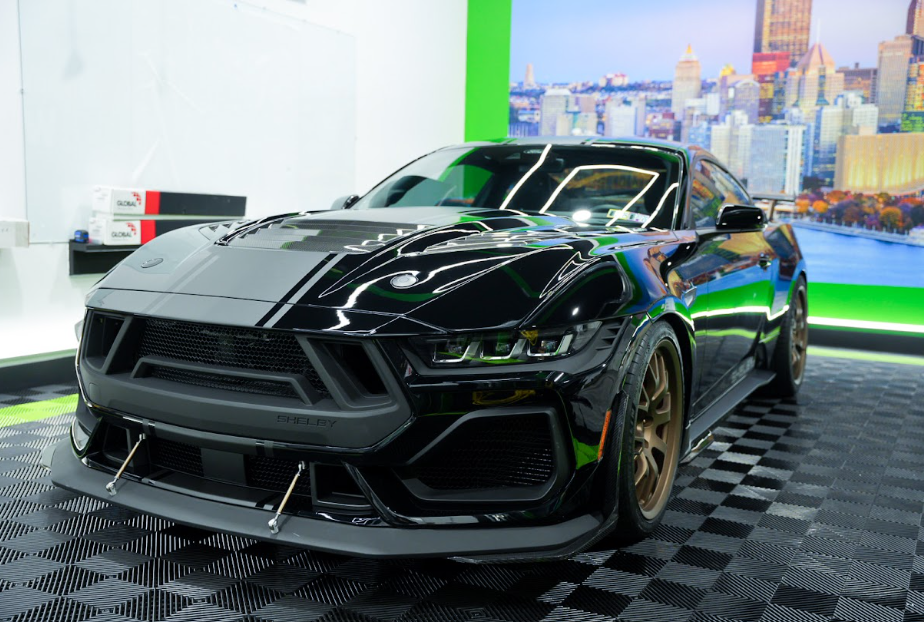
Regardless of which protection you ultimately choose, existing paint condition genuinely affects the outcome either way. Both PPF and ceramic coating preserve whatever condition the paint is in at the time of application — neither one corrects existing swirl marks, scratches, or oxidation that developed before installation. A vehicle with visible defects may genuinely benefit from evaluation and, where appropriate, paint correction first, since applying either protective service over unaddressed defects locks those imperfections in rather than improving them in any meaningful way. See whether correction should come before coating for more on this specific consideration before booking either service.
New Vehicles, Daily Drivers, and Highway Commuters
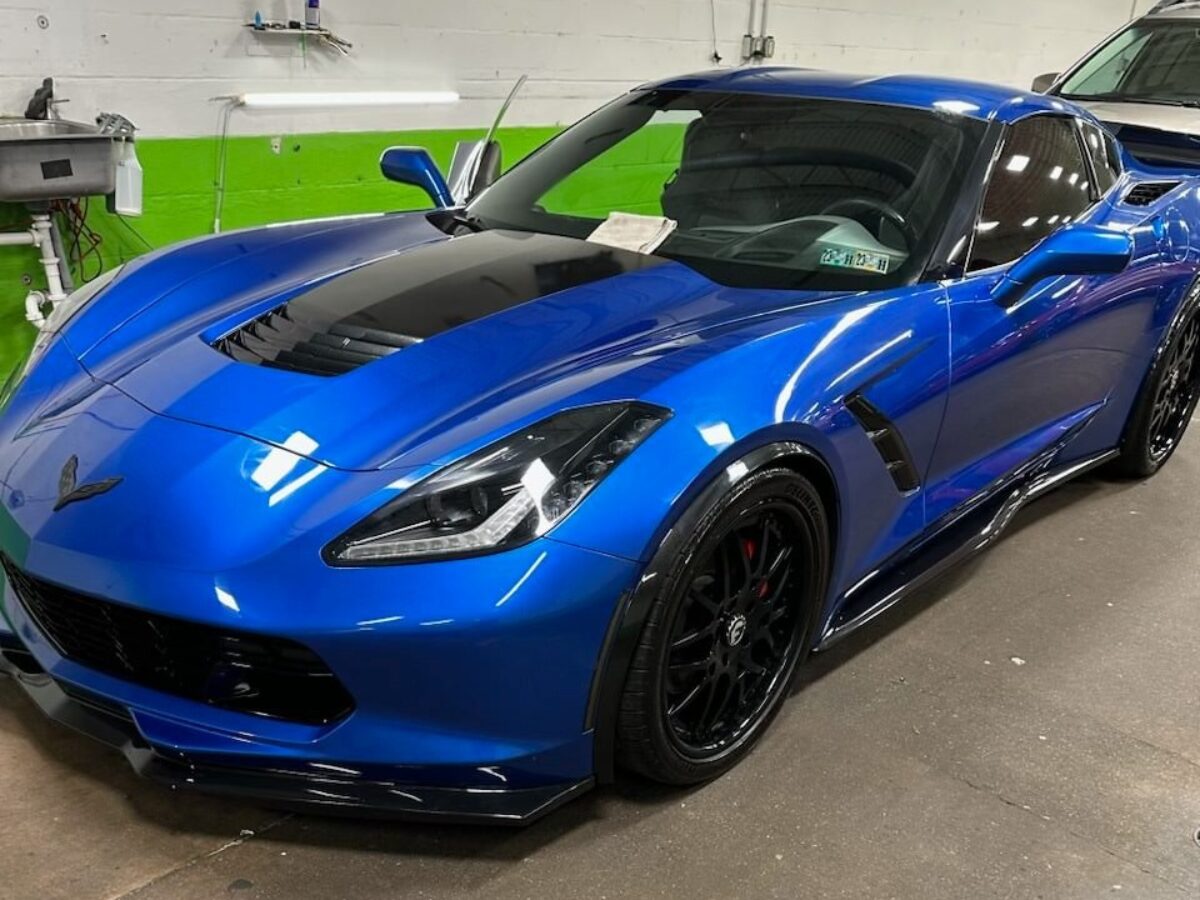
A new vehicle owner wanting comprehensive protection from day one is a genuinely reasonable candidate for combining both services, protecting the vehicle’s original finish before any real-world wear has a chance to accumulate. A daily commuter primarily concerned with rock chips and highway debris is generally better served starting with PPF on the most exposed panels first, before considering coating as an additional step. A daily driver mainly interested in easier washing and gloss retention, without a strong concern about physical impacts, is a considerably stronger candidate for coating specifically on its own. An enthusiast vehicle owner planning long-term ownership, particularly of a vehicle they consider genuinely special, may reasonably want both services from the very outset rather than choosing one and adding the other later.
This is ultimately less about which service is objectively “better” and more about matching the right tool to the actual problem you’re trying to solve for your specific vehicle and how you use it.
Auto Detailing’s Role Regardless of Which Service You Choose
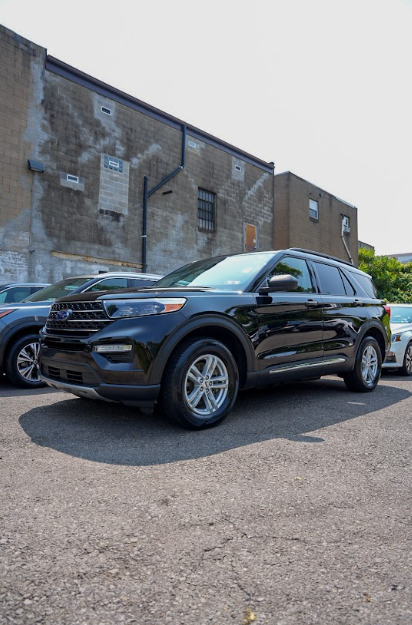
Neither PPF nor ceramic coating replaces routine auto detailing as part of genuine ongoing ownership. Both protective services still require regular washing and periodic professional attention to look their best over the long run — protection changes how much effort that maintenance takes, not whether it’s needed at all going forward. An owner who assumes either service means the vehicle can simply be left alone tends to be disappointed by how the finish looks after just a few months of neglect.
Where Window Tint Fits Into the Bigger Picture
It’s worth briefly noting that window tint solves an entirely different customer need than PPF or ceramic coating — it addresses window glass, heat, glare, and privacy, rather than the painted exterior surfaces PPF and coating protect. For more on film options specifically for glass, see Attention II Detail’s guide to window tint types.
Budget Considerations Without a Fixed Number
Both services vary in price by vehicle size, coverage chosen, and product tier. Rather than assuming one service is inherently more expensive or more valuable than the other, it’s more useful to think about which specific problem you’re trying to solve and get a quote based on that actual scope.
For the fuller picture of coating benefits, see Attention II Detail’s ceramic coating maintenance guide. If you’re weighing whether coating is worth it for a daily driver specifically, or when PPF makes the most practical sense for your ownership situation, both are covered in more depth elsewhere in this same content series.
FAQs
Is PPF better than ceramic coating? Neither is universally better — they solve different problems. PPF addresses physical impact protection; ceramic coating addresses surface behavior and easier maintenance.
Does PPF stop rock chips? It’s designed to help reduce damage from rock chips and road debris on the panels it covers, though it doesn’t eliminate every possible impact.
Can you put ceramic coating over PPF? Yes, this is a genuinely common combination, applying coating over installed film for consistent gloss and easier maintenance across the whole vehicle.
Does ceramic coating replace PPF? No. Coating doesn’t provide meaningful physical impact protection, so it doesn’t substitute for what PPF is specifically designed to do.
Which is better for a new car? It depends on priorities. An owner wanting comprehensive protection from day one may reasonably choose both; a daily driver mainly concerned with easier maintenance may start with coating alone.
Do PPF and ceramic coating both require maintenance? Yes. Neither service eliminates the need for regular washing or periodic professional attention.
Can PPF and ceramic coating be used together? Yes. It’s a common approach — film on exposed panels for physical protection, coating applied over the film and the rest of the vehicle for easier maintenance.