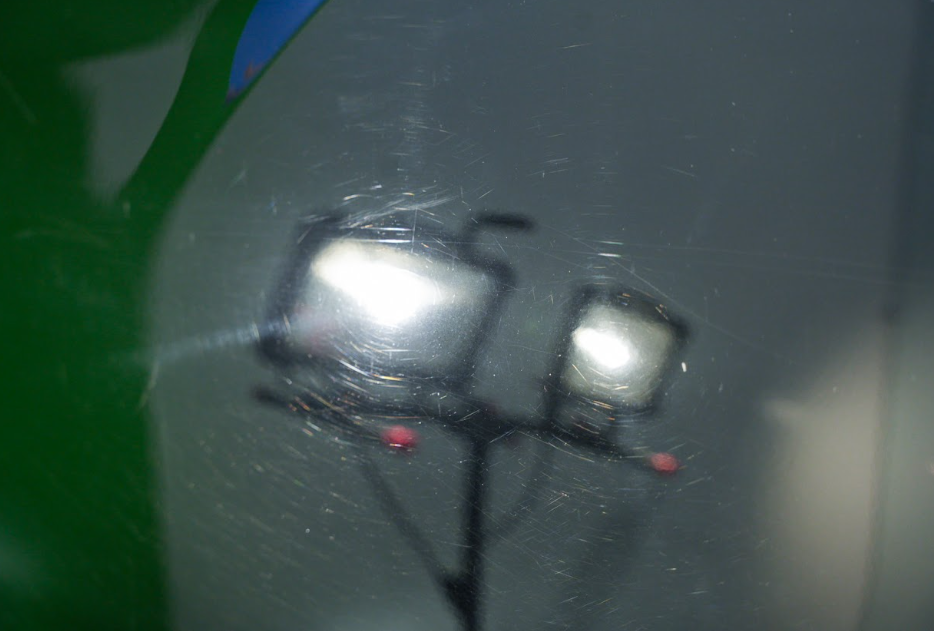
Not every vehicle requires the same level of paint correction before ceramic coating, and vehicle age alone doesn’t determine the answer. The decision genuinely depends on existing paint defects and the finish the owner wants to achieve. Ceramic coating does not remove existing paint defects — it’s a transparent layer that bonds to whatever condition the paint is already in, so swirl marks, light scratches, and water spotting that exist before coating remain just as visible afterward, sometimes more so once the surrounding paint gains added gloss.
What Ceramic Coating Actually Does
Ceramic coating adds a protective surface layer that provides hydrophobic behavior, helping water and light contamination rinse away more easily during regular washing. It can also enhance gloss compared to unprotected paint. What it doesn’t do is clean the vehicle on its own, and it doesn’t correct anything happening within the clear coat itself — it protects whatever surface condition exists at the moment of application, for as long as that specific coating tier is designed to last.
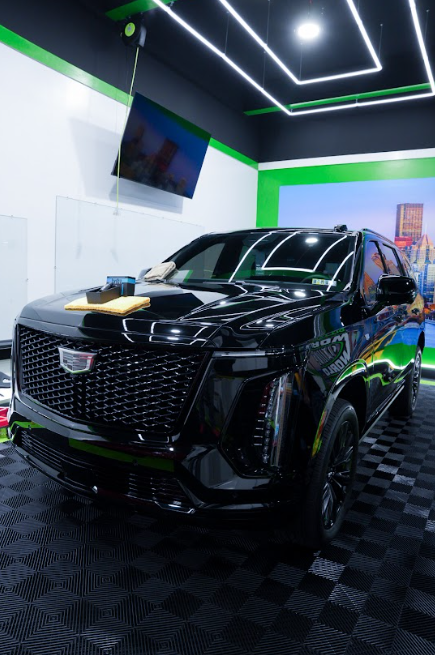
What Paint Correction Actually Does
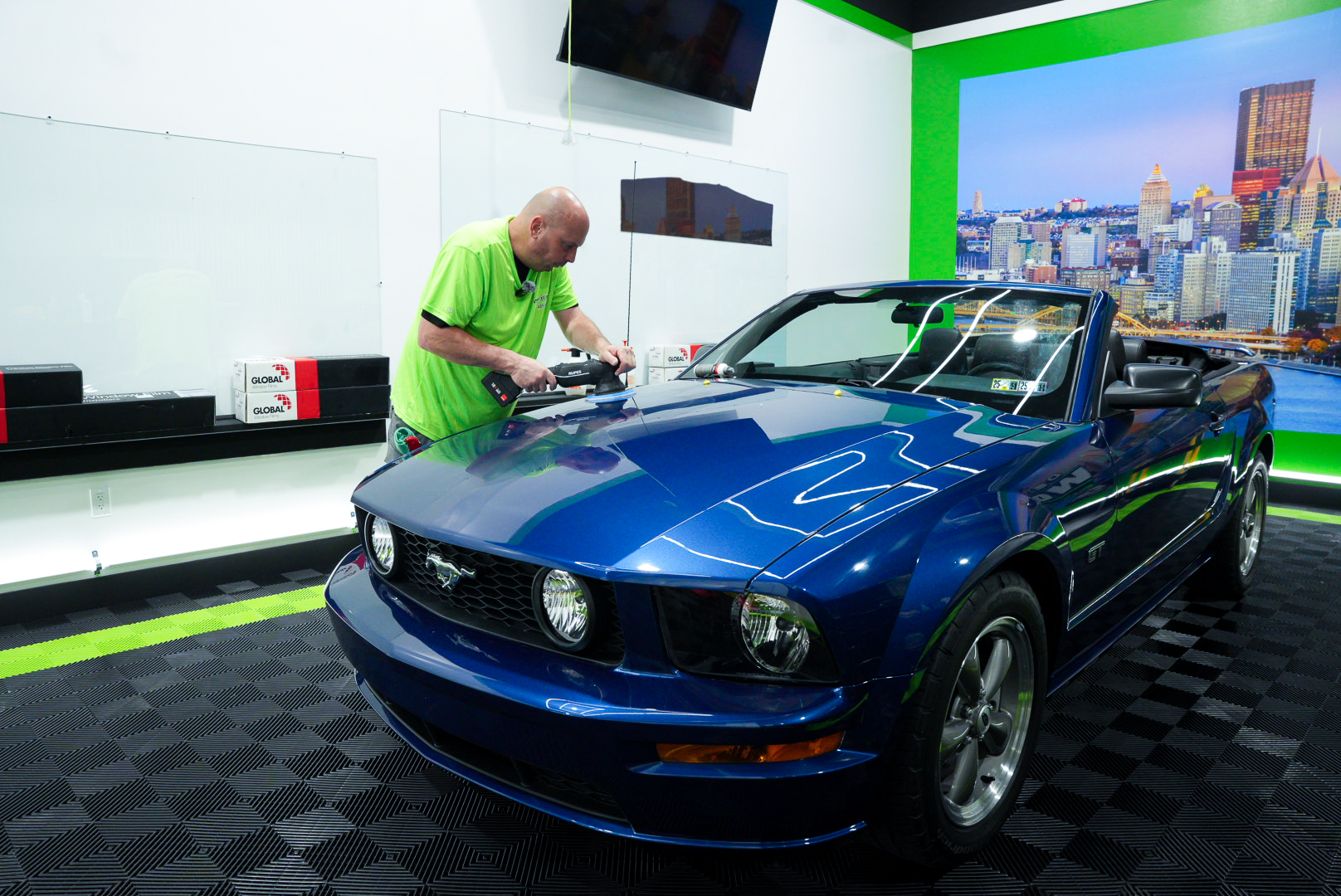
Paint correction is a machine-polishing process aimed at reducing the visibility of swirl marks, light scratches, and oxidation that build up on a vehicle’s clear coat over years of washing and sun exposure. It’s a genuinely different service than coating: correction addresses what’s actually happening within the paint’s surface itself, while coating protects whatever condition that surface is already in once correction — if any is needed — is complete. Understanding this distinction upfront tends to prevent a lot of confusion once the finished vehicle is delivered.
Why This Distinction Matters Before Booking
This is the point most first-time coating customers misunderstand: coating doesn’t fill in or level out surface irregularities the way a polish does. A swirl mark under a coated surface is still a swirl mark — sometimes it reads as more visible once the surrounding paint gains extra gloss and reflects light more evenly. Understanding this before booking helps set realistic expectations for what the finished result will actually look like.
Does a New Vehicle Need Paint Correction?
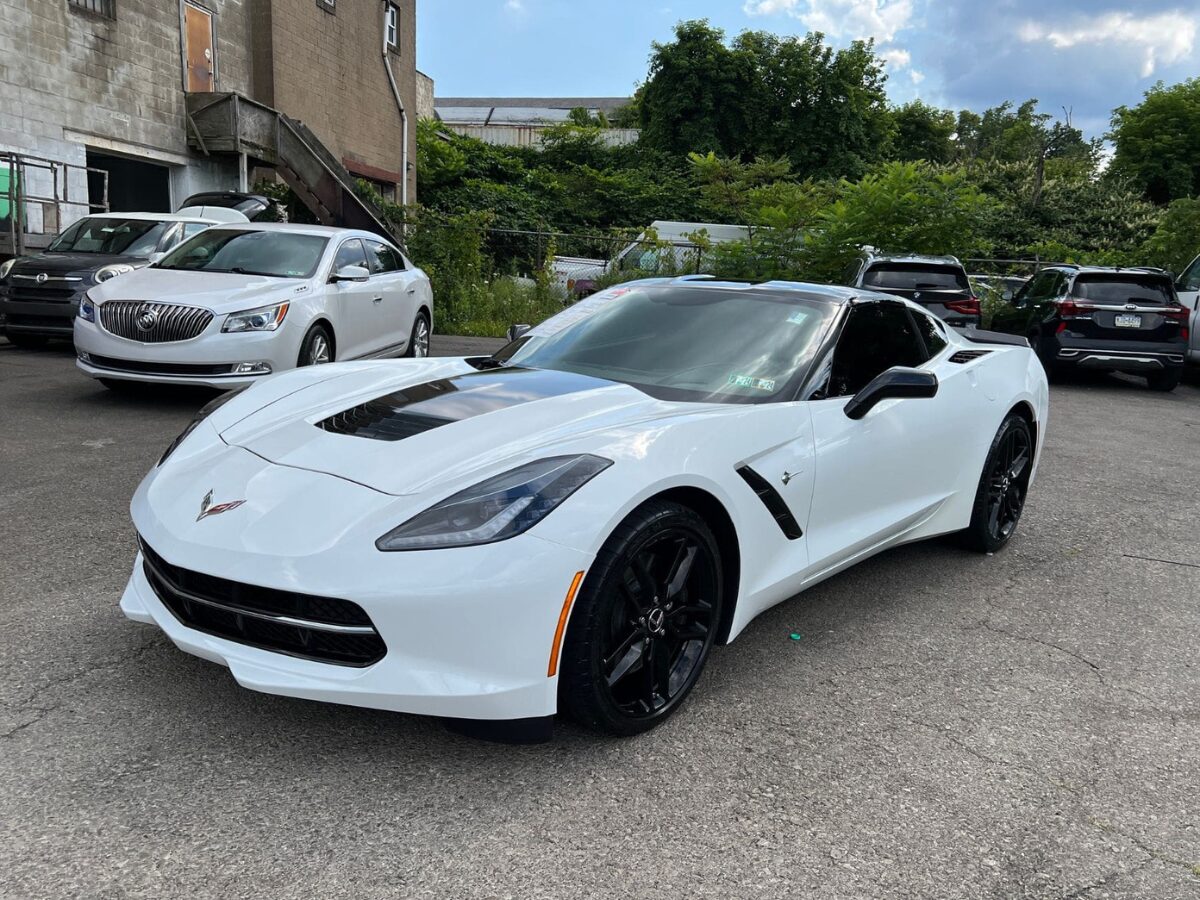
Not automatically, though this genuinely surprises a lot of first-time buyers when they hear it stated plainly. A brand-new vehicle can still carry minor swirl marks from dealership prep, transport handling, or an early wash performed with the wrong technique — sometimes before it’s ever reached its first real owner at all. That doesn’t mean every new vehicle genuinely needs extensive correction; it means an actual inspection tells you considerably more than assuming based on the vehicle’s age alone, since delivery mileage and calendar age are poor substitutes for looking directly at the paint under proper lighting conditions.
Manufacturing and delivery handling both introduce real opportunities for minor surface marring that has nothing to do with how careful an eventual owner ends up being with the vehicle once they take possession of it. This is exactly why “new” and genuinely “defect-free” aren’t the same statement at all, even though it’s an easy assumption to make when a vehicle has essentially no mileage on the odometer.
The Decision Process: How Much Preparation Does Your Vehicle Need?
| Paint Condition | Preparation to Consider | Why |
|---|---|---|
| New vehicle with genuinely clean paint | Minimal preparation likely sufficient | Little existing defect to address |
| Light swirl marks from washing | Light polish/enhancement | Addresses surface-level marks without a full correction pass |
| Moderate wash-induced defects | More thorough correction | Deeper marks generally need more than a single light pass |
| Water spotting | Evaluation needed | Severity varies; some spotting responds well to correction, some doesn’t fully resolve |
| Oxidation | Correction evaluation | Often responds to correction, though results depend on how advanced it is |
| Deeper scratches | Realistic evaluation required | Not every defect is fully correctable without affecting the clear coat |
These are general starting points, not a fixed prescription — an actual in-person inspection of your specific vehicle is more reliable than any generic guideline.
Can You Ceramic Coat a Vehicle Without Polishing It First?
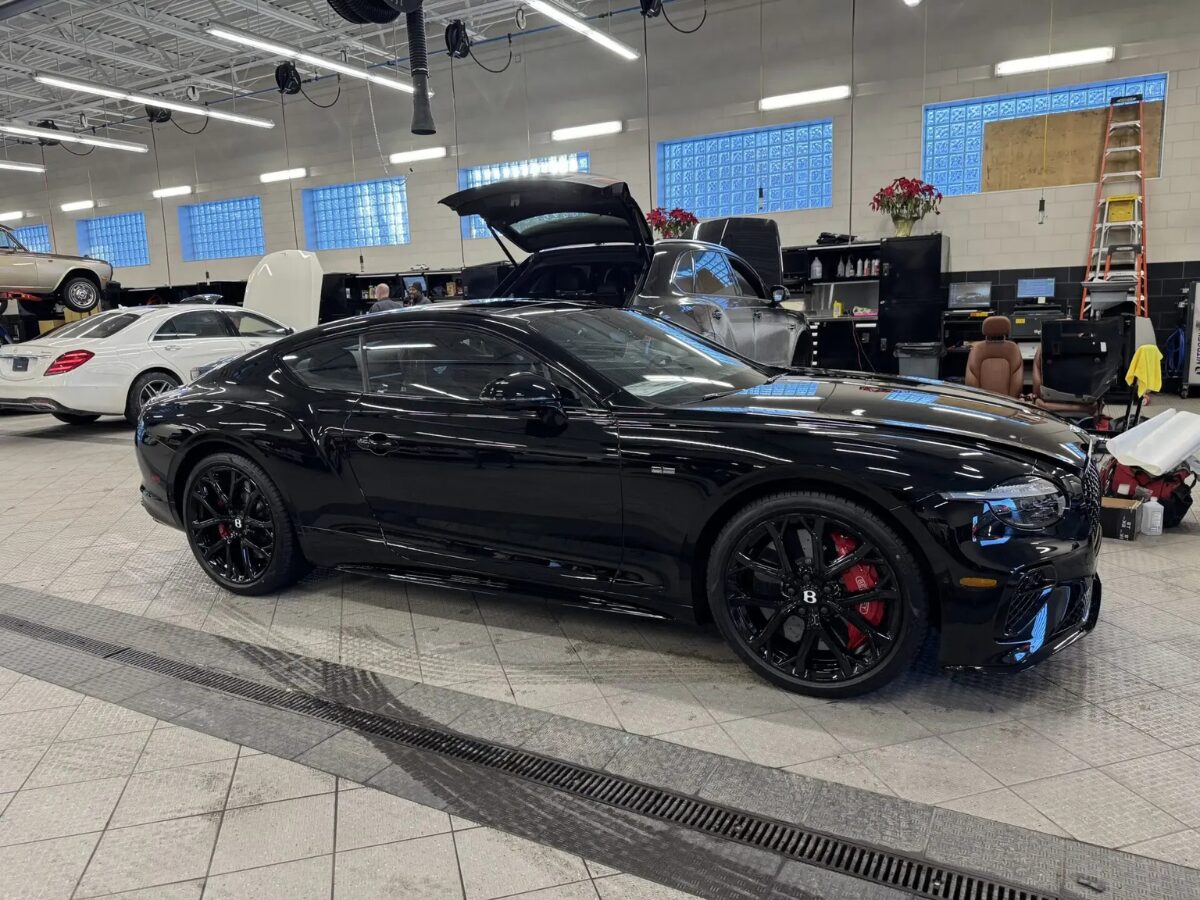
Yes, in the sense that coating can technically be applied over unpolished paint. Whether that’s genuinely the right call depends entirely on what the paint actually looks like underneath once properly inspected. Attention II Detail’s own real ceramic coating packages reflect this distinction directly — the entry-level tier is built around exterior detailing without paint correction included, a mid-tier includes single-stage paint enhancement as part of the package, and the top tier includes multi-stage paint correction along with additional coated surfaces beyond just the painted panels. This tells you something genuinely useful about how the industry approaches this question: correction level is already tied to which package fits your vehicle’s actual condition, not an all-or-nothing decision made entirely separately from choosing a coating tier in the first place.
This structure is worth understanding before assuming you need to book a separate correction appointment ahead of coating. For a vehicle in genuinely good condition, the lighter tier’s built-in preparation may be entirely sufficient. For a vehicle with more visible wear, the tier that includes multi-stage correction is likely the more appropriate starting point, rather than trying to add correction onto a lighter package after the fact.
Does Ceramic Coating Hide Swirl Marks?
No. Coating is a thin, transparent layer that cures over whatever surface condition already exists underneath it. It doesn’t fill in or level out swirl marks the way a polish does, and in some lighting conditions the added gloss can make existing marks slightly more noticeable rather than less.
Can Ceramic Coating Remove Scratches?
No. Coating protects the surface it’s applied to; it doesn’t correct or repair what’s underneath. Reducing the visibility of scratches is the job of paint correction, done as its own process before the coating is applied.
What Happens If Coating Is Installed Over Visible Defects?
The coating cures over whatever condition the paint is in at the time of application. Existing swirl marks, scratches, or water spotting remain visible afterward, and can sometimes appear more noticeable under the coating’s added gloss rather than less. This is exactly why paint condition is worth an honest evaluation before committing to a specific coating tier.
Is Auto Detailing the Same as Paint Correction?
No. Auto detailing generally covers cleaning and appearance maintenance — exterior washing, contamination removal, interior care — while paint correction is a dedicated process addressing what’s happening within the clear coat itself. Detailing doesn’t automatically include correction, coating, or PPF unless specifically part of the service booked.
Preparation Affects the Final Result
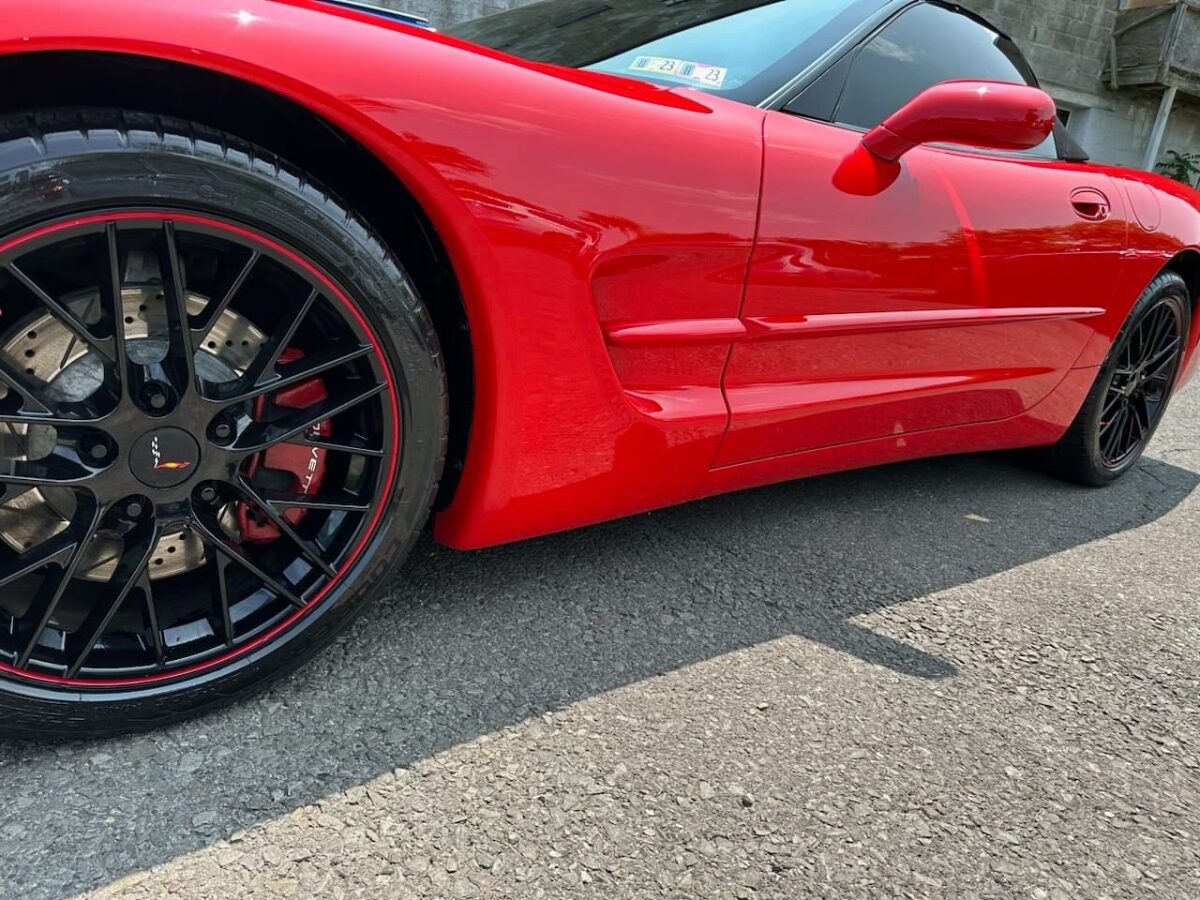
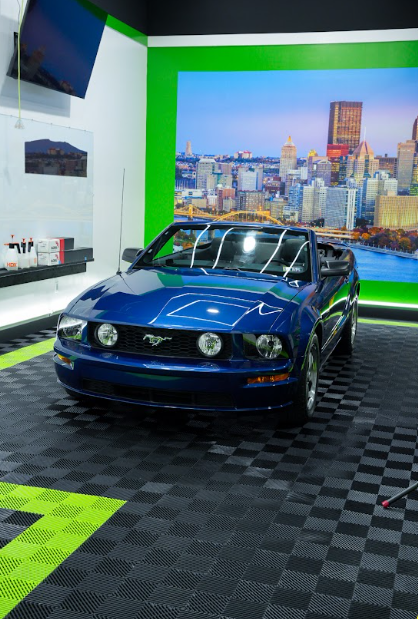
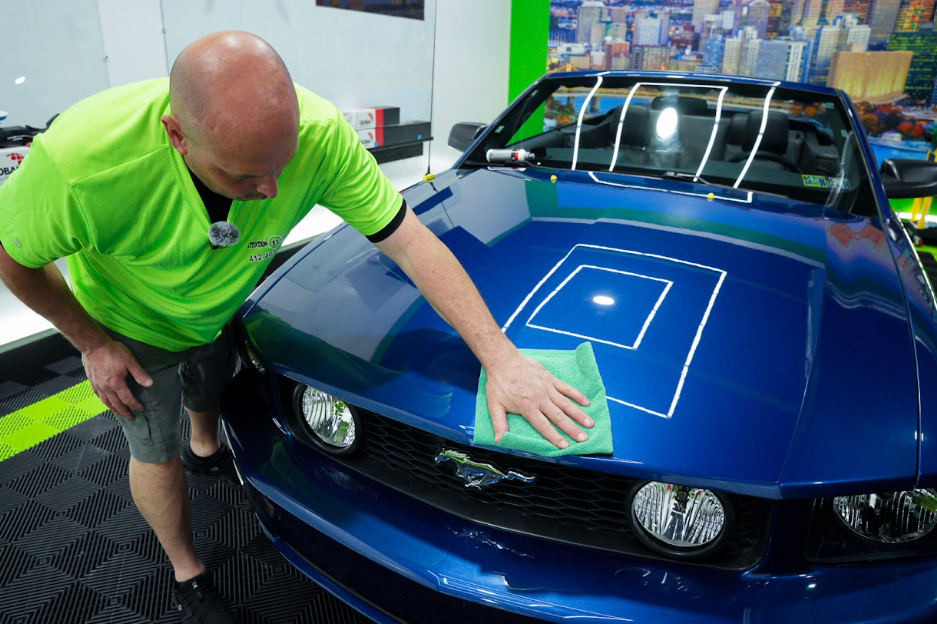
Coating applied over properly prepared paint tends to look meaningfully glossier and clearer than coating applied over a surface with unaddressed contamination or defects, since the coating’s own optical clarity depends partly on what’s underneath it. This is part of why real coating packages build some level of preparation into every tier rather than treating it as an entirely separate, optional add-on billed independently. Beyond the visual result, there’s also a genuine bonding consideration: coatings are designed to chemically bond to a clean painted surface, and contamination or defects sitting between the paint and the coating can affect how evenly the coating cures and how well it performs over its intended lifespan.
Thinking About Correction Level Versus Desired Outcome
An owner mainly interested in protection and easier future maintenance may reasonably choose a lighter preparation tier if the paint’s condition genuinely supports it. An owner who wants the deepest possible gloss and clarity, or who’s genuinely bothered by visible swirling under direct light, is a better candidate for the tier that includes more thorough correction. Neither approach is wrong — they reflect different priorities, and being honest about which one actually matters to you helps avoid paying for correction work that doesn’t meaningfully change what you’ll notice day to day once the vehicle is finished.
Ongoing Care After Coating
Once any needed correction is complete and coating is applied, routine auto detailing remains part of keeping the vehicle looking its best over the long run — coating changes how easily contamination comes off, not whether contamination happens at all in the first place. For the fuller picture of coating benefits and maintenance once preparation is properly handled, see Attention II Detail’s ceramic coating maintenance guide.
If you’re also wondering whether coating genuinely makes sense for a vehicle you actually drive every day, that decision is covered separately in this same content series, as is how PPF and ceramic coating actually compare if you’re weighing physical impact protection alongside the preparation question covered directly here.
FAQs
Do you need paint correction before ceramic coating? Not always — it depends on your vehicle’s actual paint condition. Some vehicles need only standard preparation, while others benefit from a dedicated correction pass first.
Can you ceramic coat a car without polishing it? Yes, technically, though whether that’s the right choice depends on the paint’s actual condition. Attention II Detail’s own coating tiers reflect this, with correction level built into which package fits a given vehicle.
Does ceramic coating hide swirl marks? No. Coating is a transparent layer that cures over whatever condition exists underneath — it doesn’t fill in or level out swirl marks.
Does a new vehicle need paint correction? Not automatically. New vehicles can have minor defects from delivery handling, but many arrive in genuinely clean condition. An inspection is more reliable than assuming based on age.
Can ceramic coating remove scratches? No. Coating protects the surface it’s applied to; it doesn’t correct what’s underneath. That’s paint correction’s job.
Is auto detailing the same as paint correction? No. Detailing covers cleaning and appearance maintenance; paint correction is a dedicated process addressing defects within the clear coat itself.
What happens if coating is installed over visible defects? The coating cures over whatever condition exists. Existing defects remain visible, sometimes more noticeably so under the added gloss.