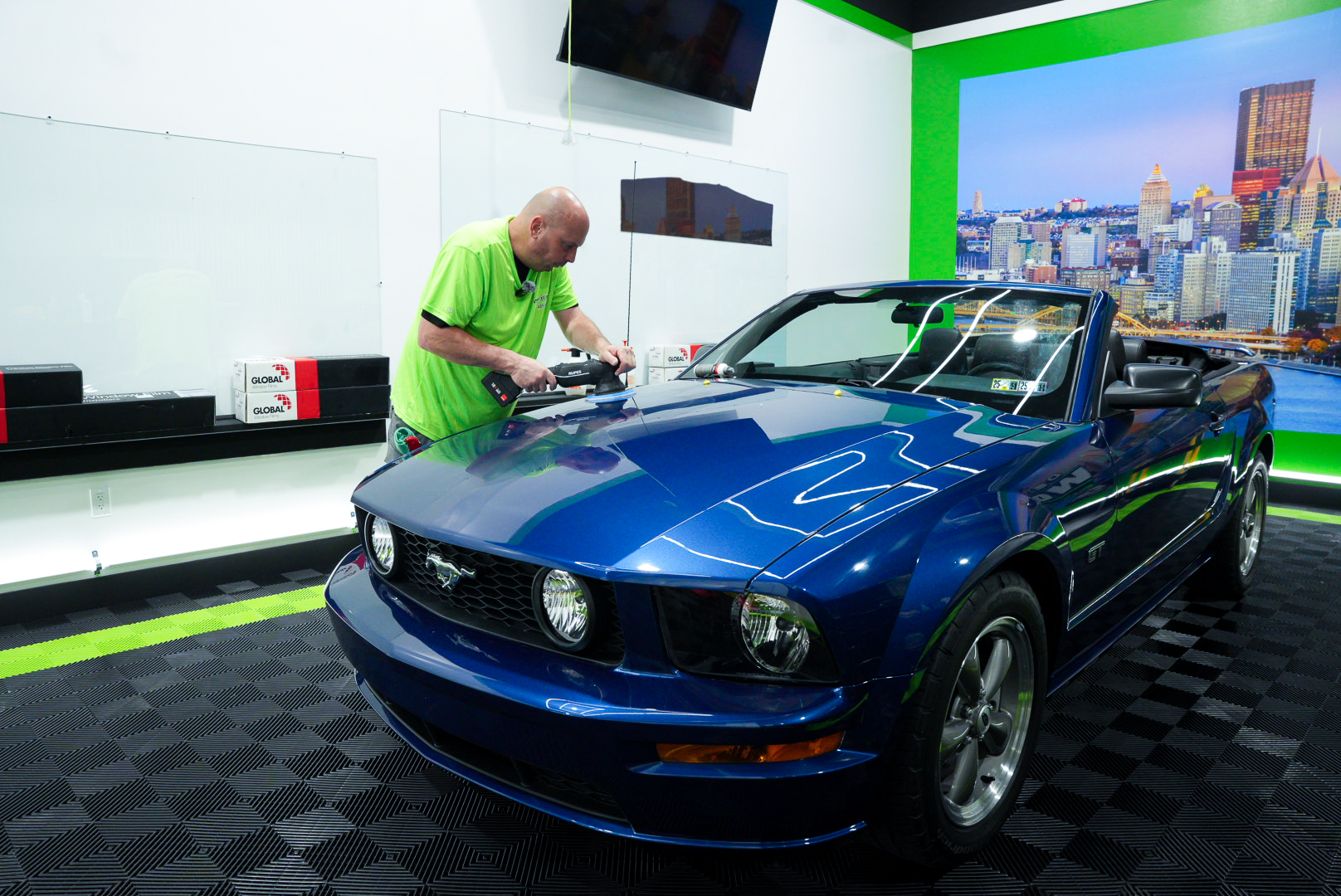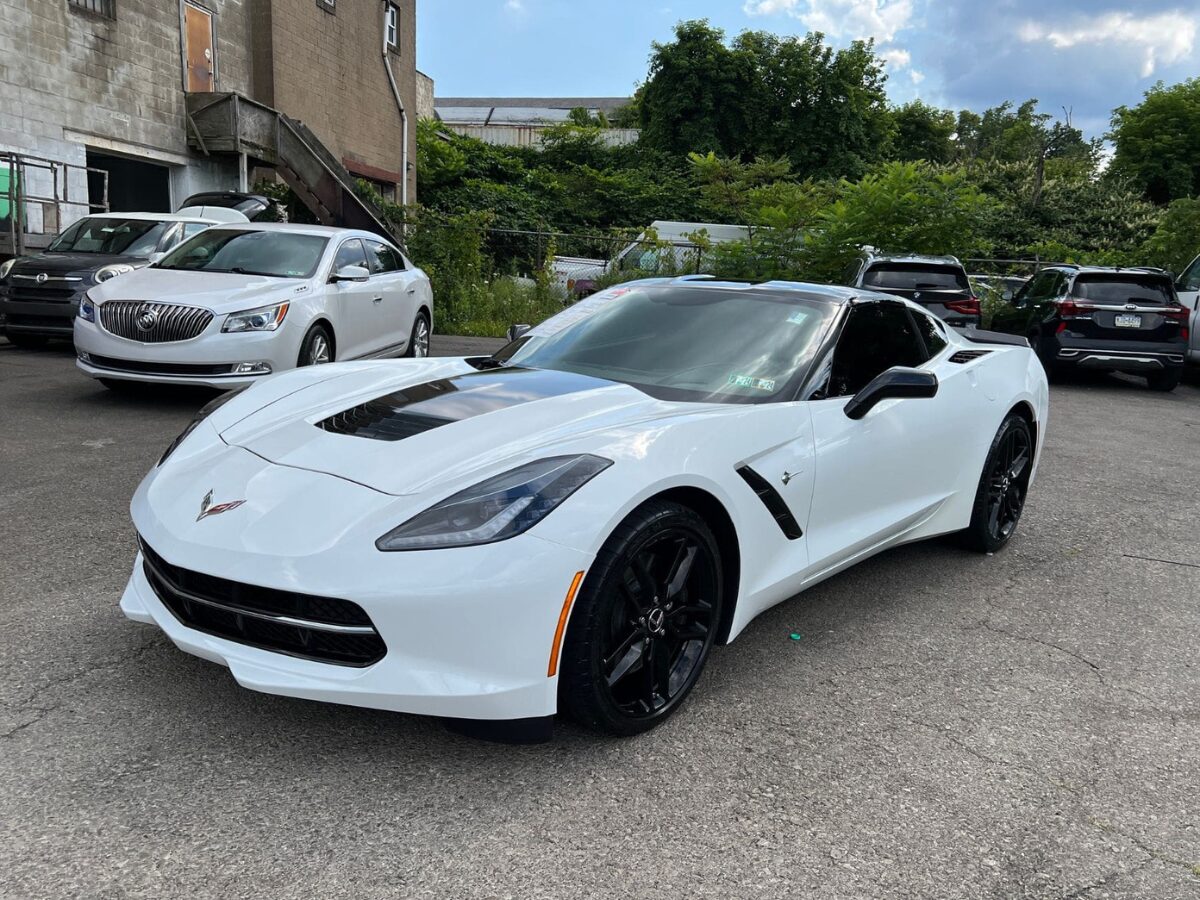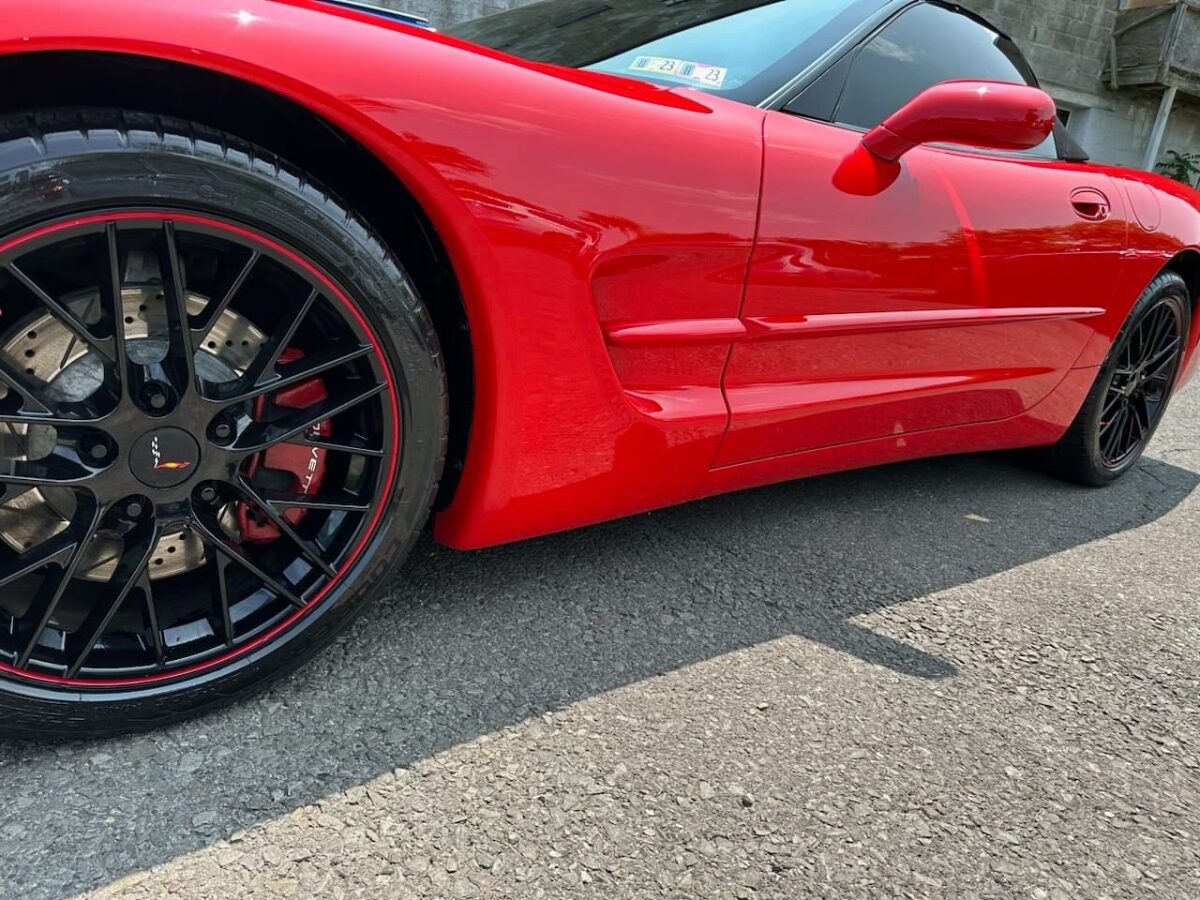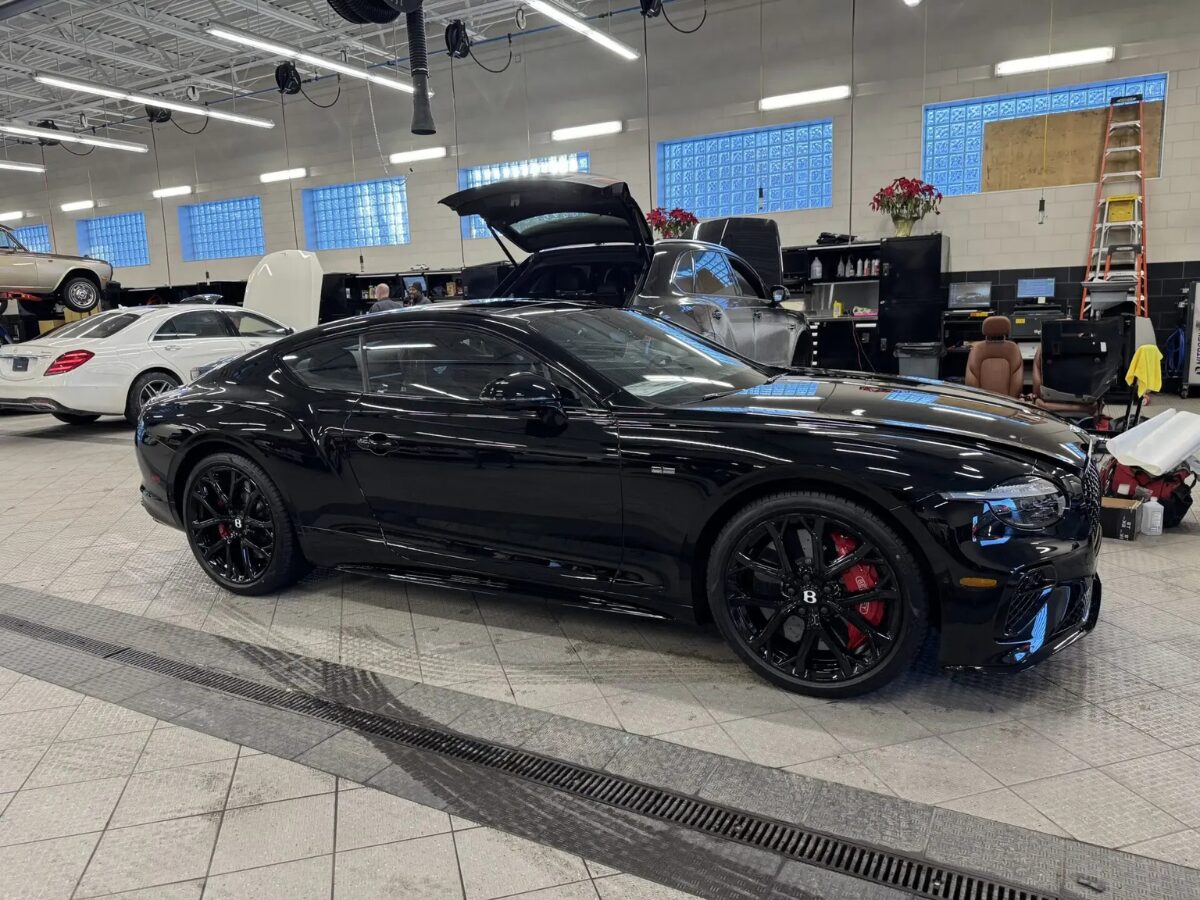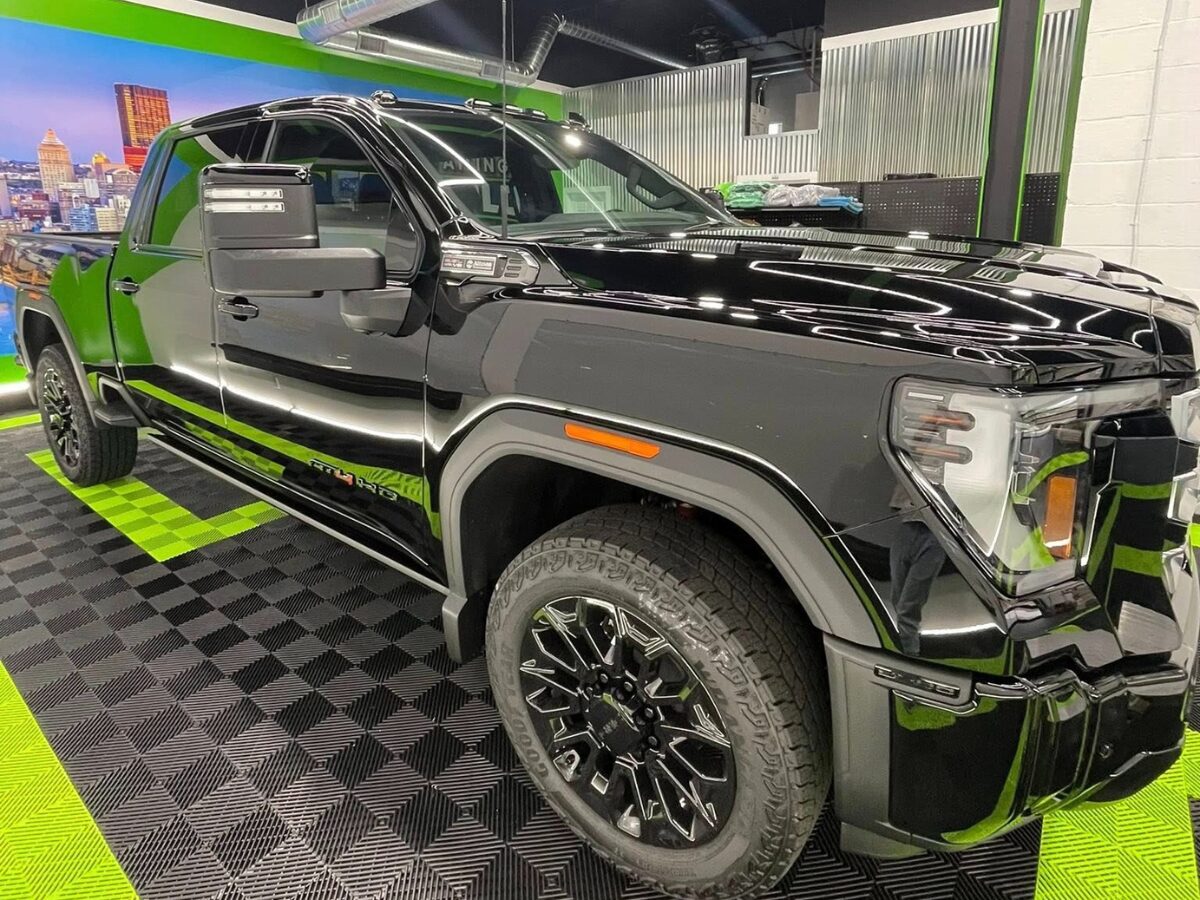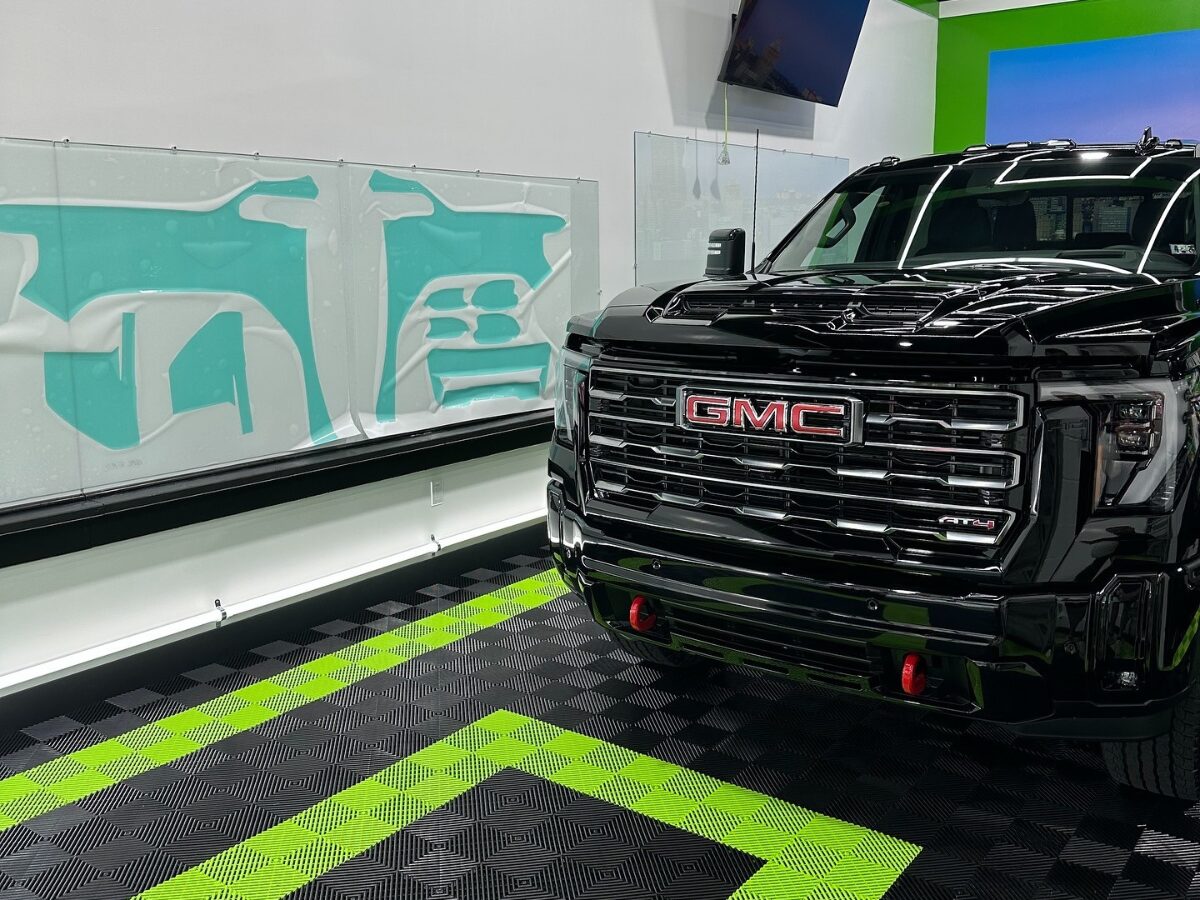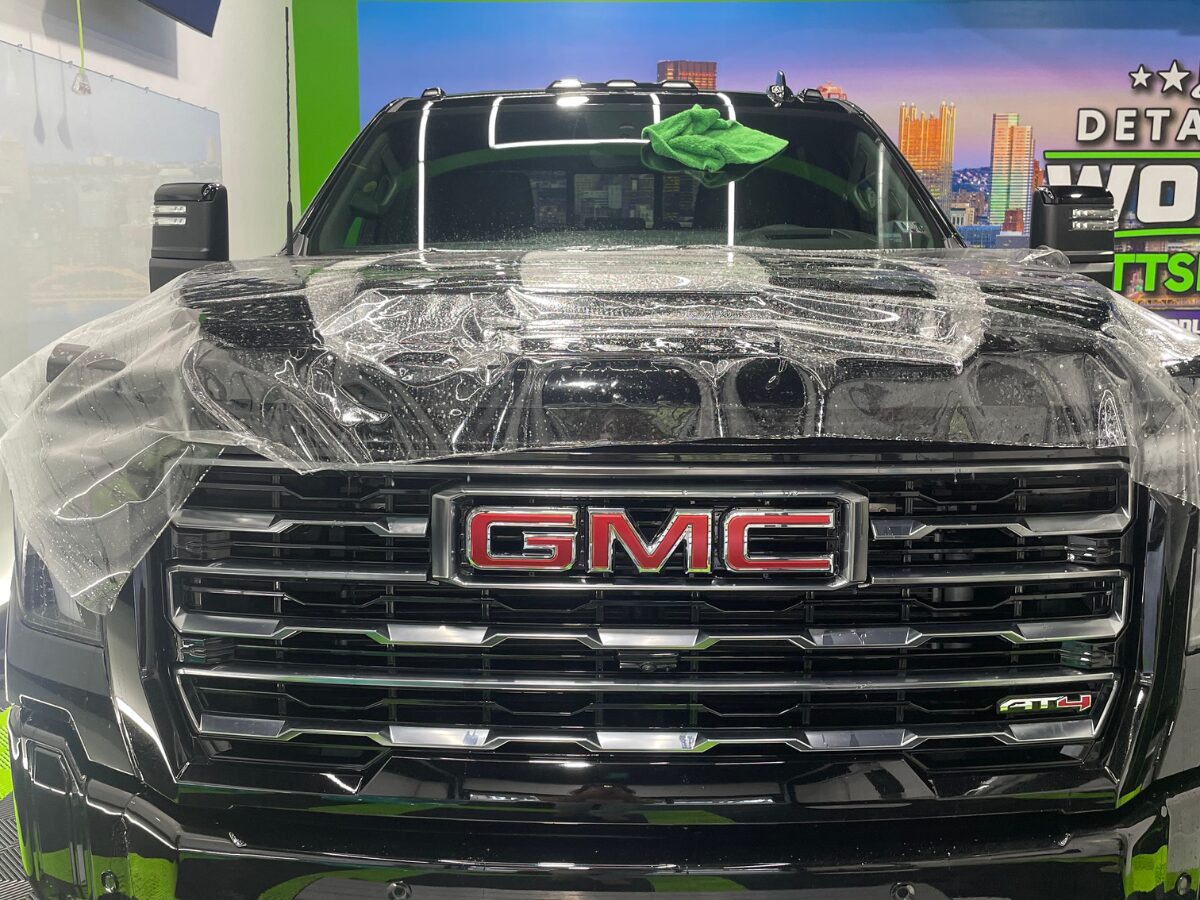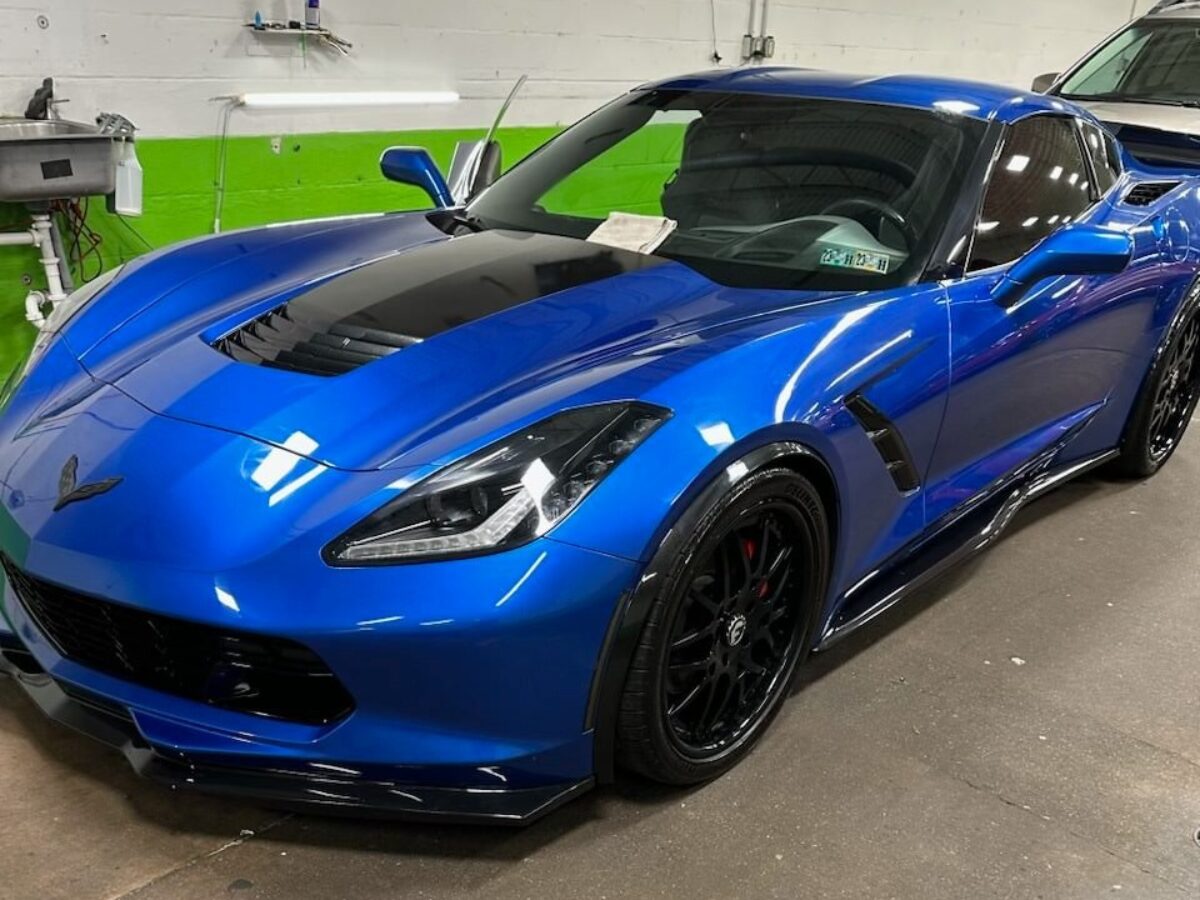
It can genuinely be worth the investment, particularly when road debris and rock-chip exposure are meaningful concerns for how a vehicle is actually used and driven, but the right amount of coverage depends heavily on how the vehicle is driven day to day and the owner’s own personal priorities. Not every vehicle needs full-body PPF from day one — a practical coverage strategy matches protection to the areas that genuinely face the most exposure, rather than defaulting to the most comprehensive option available simply because it sounds like the safest choice.
What PPF Is Designed to Do
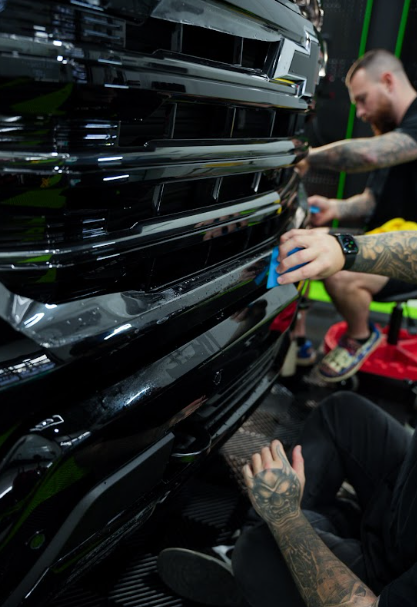
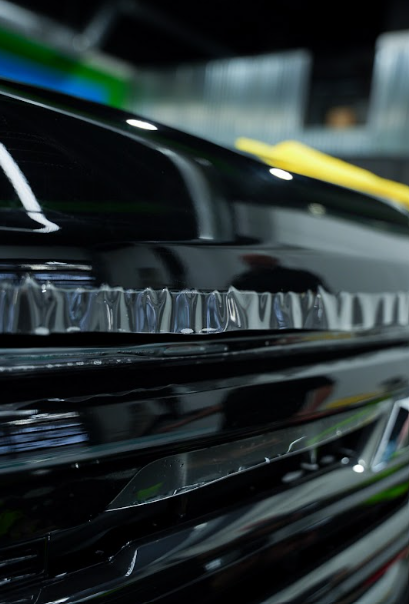
Paint protection film is designed to help protect against road debris and physical impacts on the specific panels it actually covers. Attention II Detail installs STEK PPF, a thick, transparent urethane layer with genuine self-healing technology — minor scratches and swirl marks in the film itself can diminish on their own with heat exposure, whether from direct sunlight or warm water during a wash. It provides a genuine sacrificial protective layer, absorbing the kind of everyday physical damage that would otherwise leave permanent marks on the paint underneath, essentially taking the impact itself so the original paint underneath doesn’t have to absorb it directly.
What PPF Is Not Designed to Do
PPF doesn’t make paint entirely impact-proof or guarantee protection against every possible hazard out on the road, and it genuinely doesn’t eliminate the ongoing need for vehicle care afterward at all. It’s a real, meaningful reduction in risk on the panels it covers, not an absolute guarantee against all forms of damage regardless of severity. Coverage strategy should match your specific vehicle use and personal priorities rather than assuming maximum coverage is automatically the right call for every single situation and budget.
Real Coverage Options to Understand
Attention II Detail’s real PPF coverage begins with a front-end option covering the full front bumper, full hood, mirrors, and headlights — the areas that see the most direct exposure to rock chips and road debris during normal highway driving on a daily basis. Additional coverage levels extend beyond the front end for owners who want genuinely broader protection across more of the vehicle. [DMI VERIFY BUSINESS FACT — confirm the exact current inclusions and pricing for coverage levels beyond the front-end option before publishing specific details, since only the front-end package’s full inclusion list was directly confirmed during this research.] Whatever the exact inclusions of these broader coverage levels ultimately turn out to be, the underlying logic remains genuinely the same across the industry — more panels covered means more comprehensive protection, generally at a correspondingly higher overall investment for the vehicle owner.
Why the Front End Comes First for Most Owners
The front bumper, hood, and headlights take the single most direct hit from road debris during normal highway driving — small rocks, sand, and general debris kicked up by vehicles ahead land on these front-facing surfaces far more than anywhere else on the vehicle, simply due to basic physics and how vehicles are positioned relative to each other in traffic. This is exactly why front-end coverage is such a common starting point across the industry: it addresses the highest-exposure, highest-value area for an owner who wants meaningful protection without necessarily committing to full-vehicle coverage right away. For many daily drivers, this single entry-level coverage tier genuinely addresses the majority of their actual real-world concern about rock chips and road debris damage on a daily basis.
PPF Decision Factors for Daily-Driven Vehicles
| Ownership Scenario | PPF Consideration | Why |
|---|---|---|
| Frequent highway commuter | Front-end coverage is a strong starting point | Highway driving means regular exposure to road debris and rock chips |
| New daily driver | Worth considering early | Protects the original finish before wear accumulates |
| Garage-kept weekend vehicle | Lower priority, though still reasonable | Less regular exposure than a daily-driven vehicle |
| Older vehicle with existing paint damage | Evaluation needed first | Film preserves existing condition rather than improving it |
| Owner primarily concerned about rock chips | Directly addresses this priority | PPF’s core purpose is physical impact protection |
| Owner primarily concerned with easier washing | Ceramic coating may be the more direct fit | PPF isn’t primarily built for surface-behavior benefits |
| Long-term vehicle owner | Broader coverage may be worth the investment | More time for the protection to pay off across years of ownership |
When PPF May Be More Than an Owner Actually Needs
An owner who drives infrequently, keeps a vehicle garaged, and isn’t especially concerned about rock chips may genuinely find that front-end coverage — or no PPF at all — reasonably fits their situation better than full-vehicle coverage would. This isn’t a lesser choice by any means; it’s genuinely matching protection to actual, honest risk and priorities rather than assuming more coverage is always inherently better regardless of cost or how the vehicle is actually used and driven day to day.
It’s worth being honest with yourself about your own driving patterns before deciding on a coverage level. A vehicle that spends most of its time in a garage, driven only occasionally on familiar local roads, faces a genuinely different risk profile than one commuting daily on a highway with regular, recurring exposure to gravel trucks, construction zones, and general road debris kicked up constantly by other vehicles ahead.
Does PPF Scratch?
The film itself can be marked by contact, though STEK’s genuine self-healing properties are specifically designed to reduce the visibility of minor scratches and swirl marks over time with heat exposure, whether from sunlight or warm water during a normal wash. More significant damage to the film may still require professional attention or, in some cases, panel-specific replacement of the affected section rather than a simple heat treatment resolving it on its own.
Does PPF Eliminate Detailing?
No, genuinely not. Routine auto detailing remains part of ownership regardless of whether PPF is installed on the vehicle — the film protects against physical impacts specifically, not against the dust, pollen, and grime that accumulate on any vehicle through completely normal, everyday use. Some owners genuinely mistakenly assume that a significant investment in PPF means they can scale back on regular care entirely, when in reality the film simply changes what kind of damage the vehicle is protected against, not the ongoing maintenance it still genuinely requires.
Can Ceramic Coating Go With PPF?
Yes, genuinely and commonly. Many owners apply ceramic coating over installed film and across the rest of the vehicle, combining PPF’s real physical protection with coating’s easier-maintenance and gloss benefits in a single, comprehensive approach. This is covered in considerably more depth in how PPF and ceramic coating actually compare, including the full decision framework for whether combining both services genuinely makes sense for your specific situation and budget.
PPF Maintenance Considerations
Properly installed film requires attention to washing technique similar to bare paint, with particular care around film edges to avoid lifting over time, especially during the first several weeks after installation while the adhesive bond is still fully curing. Prompt attention to contamination like bug residue, tar, and bird droppings — genuinely acidic substances that can affect a film’s surface if left sitting too long — matters just as much on a PPF-covered vehicle as it does on completely unprotected paint. Hand washing with clean, soft materials remains genuinely the safest approach regardless of whether a vehicle has film installed at all, since harsh automatic washes can introduce real risk around film edges specifically.
Questions to Ask Before Installation
Before committing to a specific coverage level, it’s genuinely reasonable to ask which panels are actually included in a given package, whether the film includes self-healing technology and what that actually means in practice, what maintenance is expected afterward during the first few weeks especially, and whether combining PPF with ceramic coating is something the installer offers and directly recommends for your specific vehicle and situation. Clear, specific answers to these questions genuinely help match the investment to your actual needs rather than accepting a generic, one-size-fits-all recommendation that may not reflect how you actually drive on a daily basis.
If you’re specifically weighing whether ceramic coating is worth it for a daily driver instead of or alongside PPF, that particular decision is covered separately in this same content series, and Attention II Detail’s ceramic coating maintenance guide covers ongoing care in more depth once either or both services are properly installed. For broader vehicle maintenance context relevant regardless of which protective services you ultimately choose, see Attention II Detail’s Auto Detailing guide for West Mifflin drivers.
FAQs
Is paint protection film worth it? It can be, particularly for owners genuinely concerned about rock chips and road debris. The right coverage level depends on how the vehicle is actually driven and the owner’s priorities.
What areas of a vehicle benefit most from PPF? The front bumper, hood, and headlights typically see the most direct exposure to road debris during normal driving, making them a common starting point for coverage.
Is full-body PPF necessary? Not for every owner. Front-end coverage addresses the highest-exposure areas for many daily drivers; full coverage makes more sense for owners planning long-term ownership or wanting comprehensive protection from day one.
Should a new car get PPF immediately? It’s worth considering early, since PPF protects the vehicle’s original finish before road debris and general wear have a chance to accumulate.
Does PPF scratch? The film itself can be marked by contact, though self-healing technology is designed to reduce the visibility of minor scratches and swirl marks over time with heat exposure.
Does PPF need detailing? Yes. PPF protects against physical impacts, not against dust, pollen, and grime — routine detailing remains part of ownership regardless of whether film is installed.
Should I choose PPF or ceramic coating for a daily driver? It depends on your main concern. Rock chips and physical damage point toward PPF; easier washing and gloss retention point toward ceramic coating.