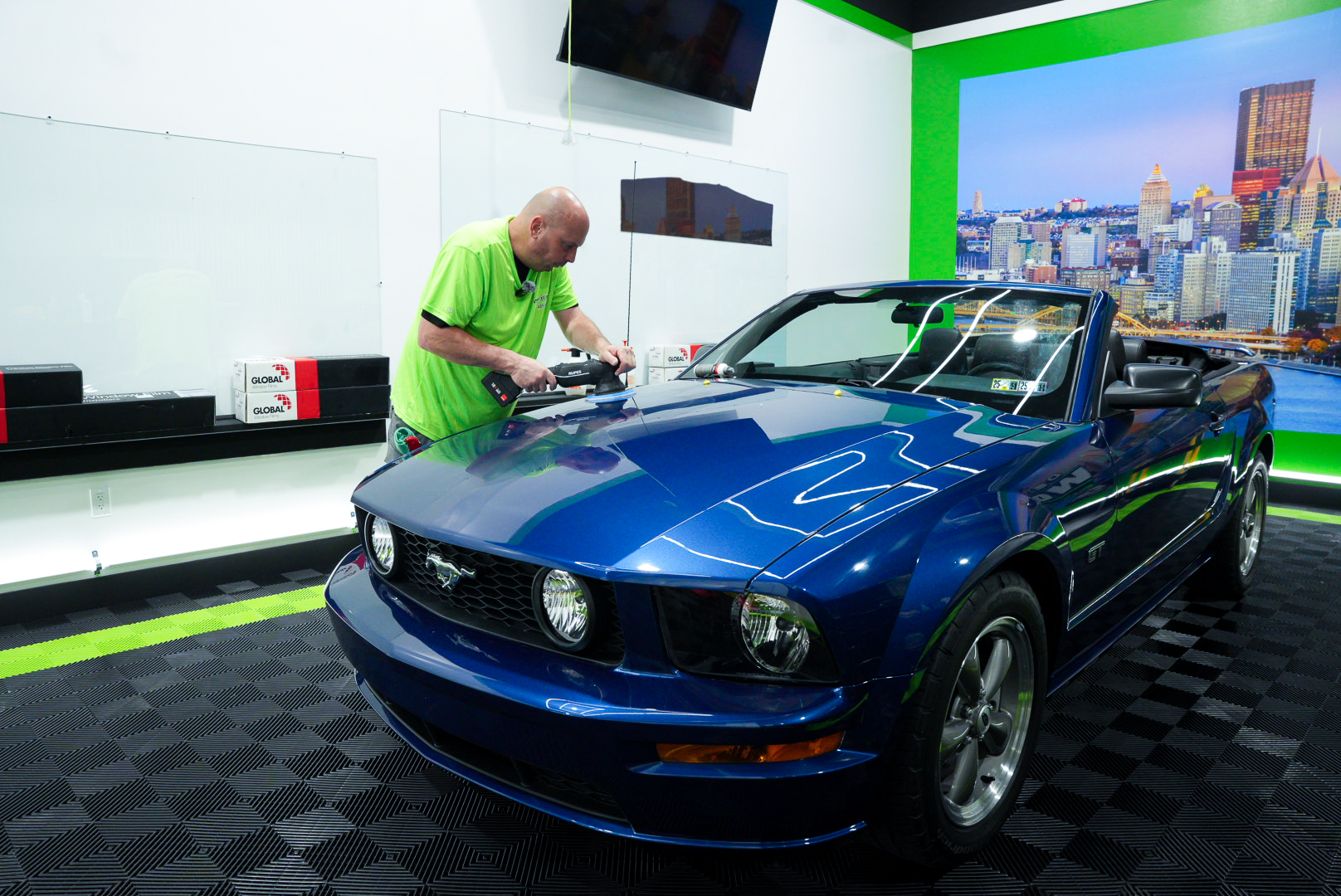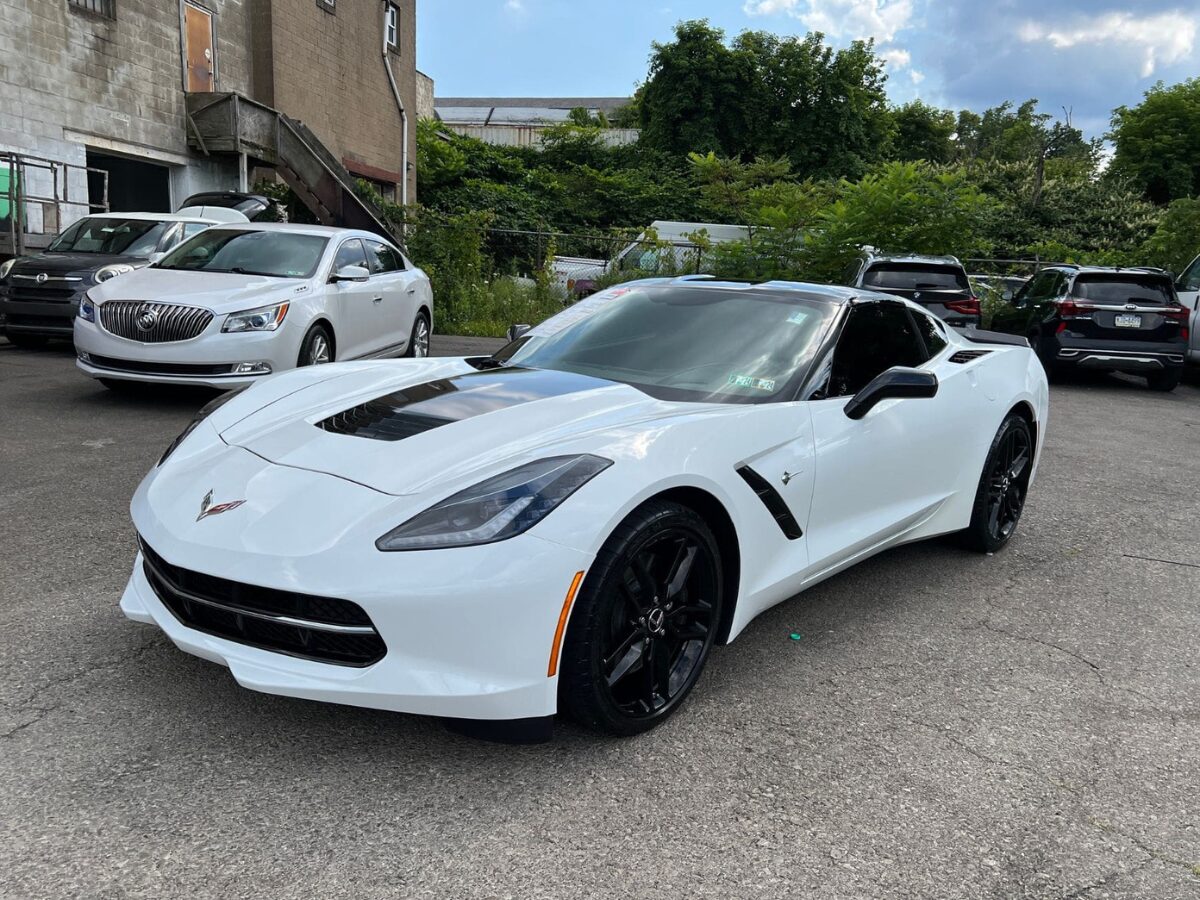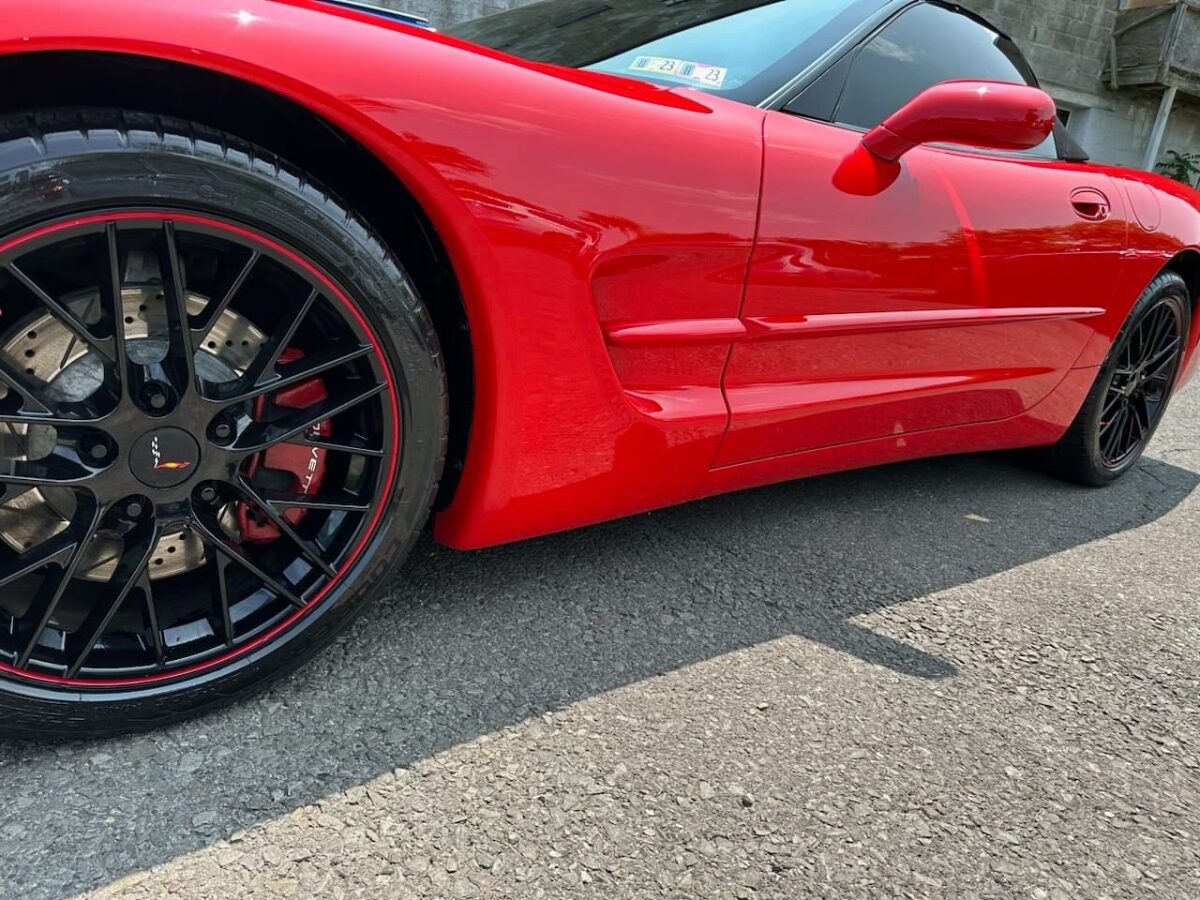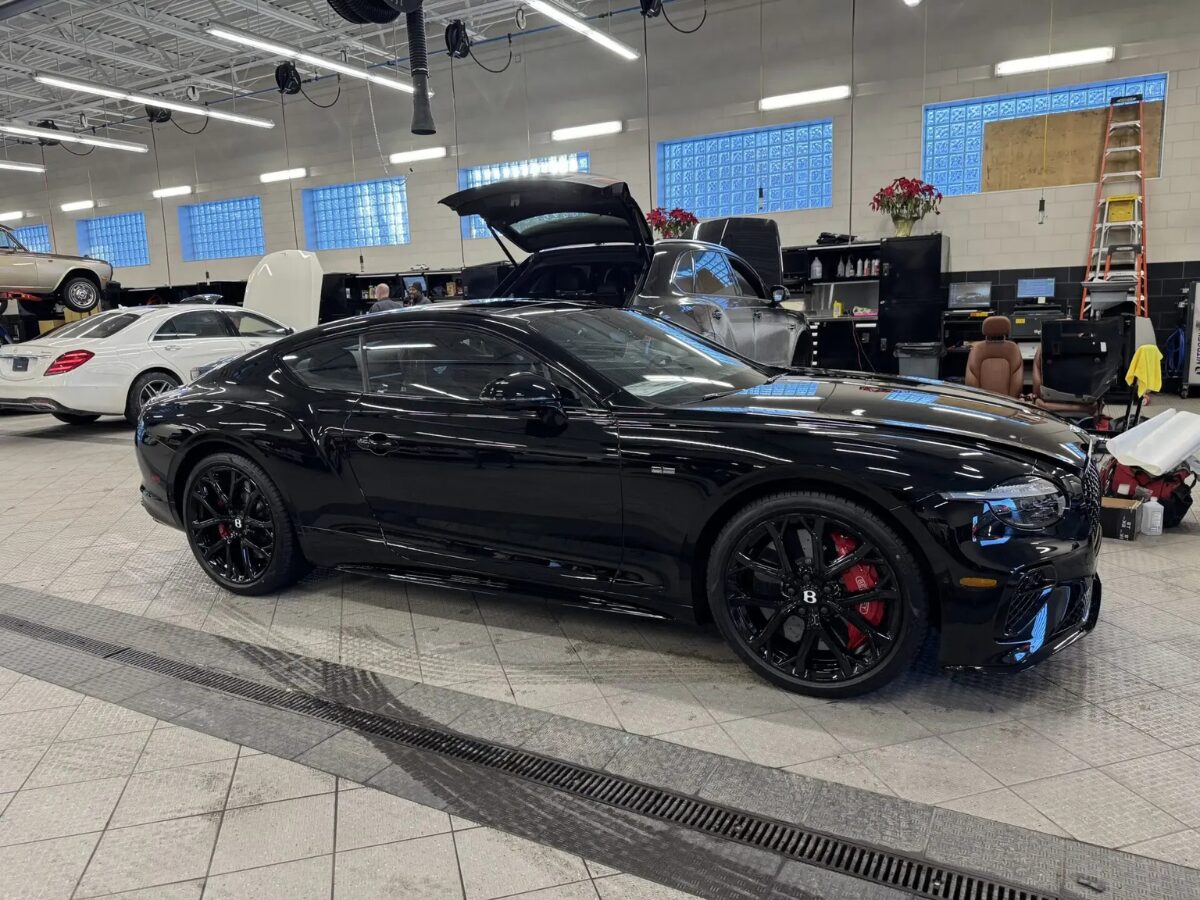
It genuinely depends on how the vehicle is actually driven, stored, and maintained day to day — ceramic coating is not automatically worthwhile for every single owner, regardless of what marketing language might otherwise suggest. A daily-driven vehicle parked outside regularly, dealing with dust, bugs, and road grime, tends to be a genuinely stronger candidate than a vehicle that’s rarely driven or kept garaged most of the time. The real benefit for a daily driver is easier washing and better gloss retention over time, not a maintenance-free vehicle that never needs attention again.
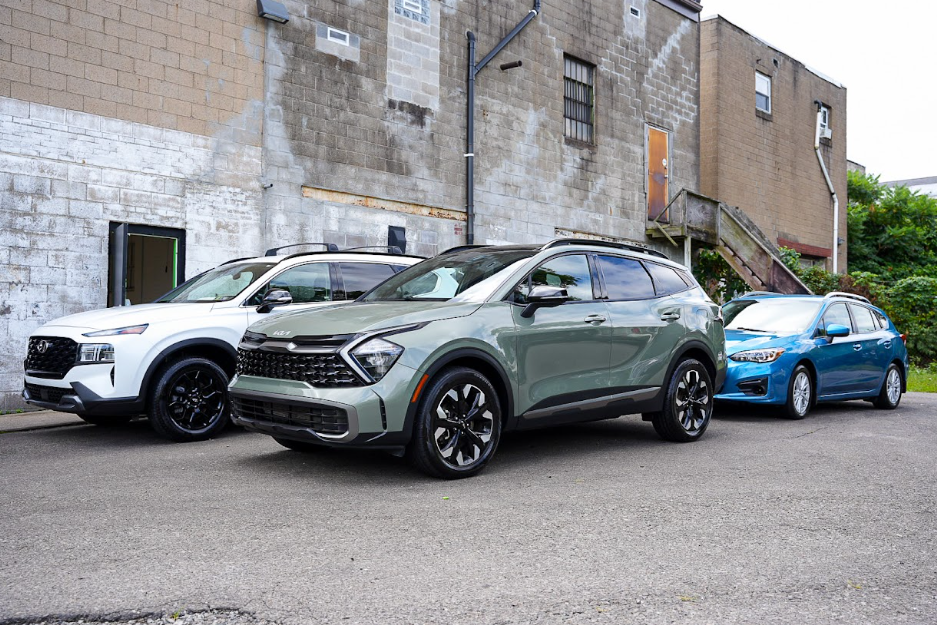
Daily-Driver Exposure Is the Starting Point
A vehicle driven regularly accumulates dirt, dust, bugs, bird droppings, and road grime simply through normal use — baseline exposure that a weekend or garage-kept vehicle genuinely doesn’t experience at the same rate or intensity. Whether that exposure justifies coating depends on how much it actually bothers the owner and how much effort they’re currently putting into managing it through regular washing on their own, without any protective coating involved. An owner who already washes frequently and genuinely doesn’t mind the routine may see meaningfully less practical benefit than one who struggles to keep up with washing during especially busy stretches of the year.
Where the Vehicle Is Stored Matters
Outdoor parking exposes a vehicle to sun, dust, and precipitation-related contamination like water spotting far more than garage storage does over the course of a full year. A daily driver that’s also garage-kept overnight faces meaningfully less cumulative exposure than one parked outside around the clock, which genuinely affects how much practical benefit coating actually delivers day to day. This distinction matters more than most coating marketing acknowledges, since the same product can deliver very different real-world value depending purely on where a vehicle spends its downtime between drives.
What Ceramic Coating Genuinely Provides
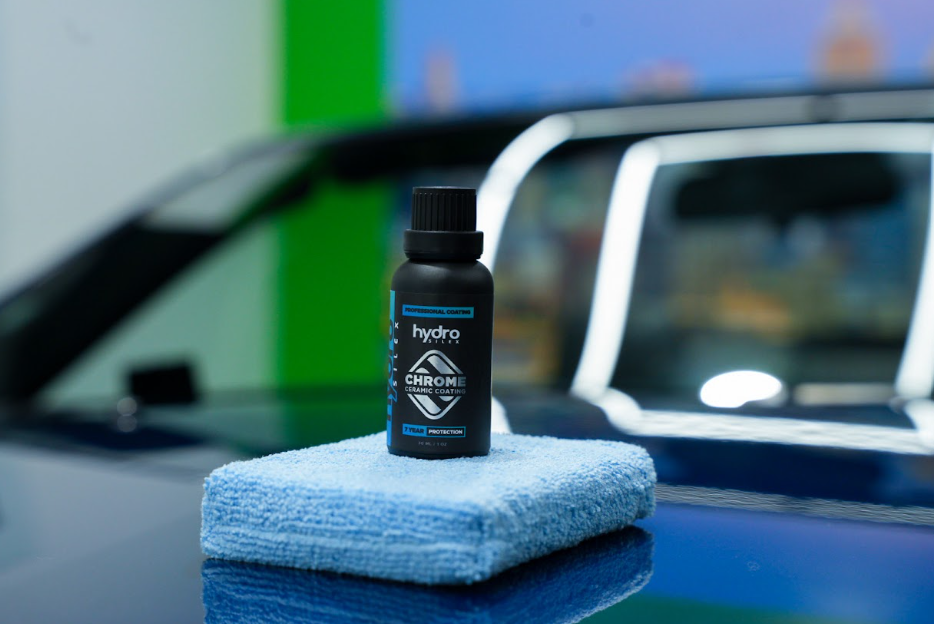
Attention II Detail’s real coating tiers reflect a genuine range of protection levels rather than a single one-size-fits-all product. The entry tier includes a coating application to painted surfaces with a stated warranty period on the finish, generally completed within a single business day. The mid-tier and top-tier options include longer stated warranty periods along with additional coated surfaces — trim, wheel faces, and glass on the top tier — reflecting more comprehensive coverage for owners who genuinely want it, along with a real Carfax-verification detail on the top tier that documents the service for future reference. Regardless of which specific tier is chosen, the core benefit for a daily driver remains the same: water and light contamination rinse away more easily than they would otherwise, and routine washing generally takes considerably less effort than it would on completely unprotected paint.
The Carfax-verification detail is worth understanding on its own, since it’s a genuinely useful differentiator worth asking about directly when comparing coating options from different providers — not every installer offers documented, third-party-reported service history in this way.
What Ceramic Coating Does Not Do
This is worth being genuinely direct about, since it’s the most common source of disappointment among first-time coating customers. Ceramic coating does not stop rock chips — it’s a thin, bonded layer, not a physical barrier with the thickness to absorb an impact from road debris kicked up on the highway. It does not make paint scratch-proof, does not prevent every water spot, and does not eliminate the need for washing or periodic detailing at any point during ownership. A coated daily driver still needs regular care; the coating changes how much effort that care takes, not whether it’s needed at all going forward.
Does a Coated Vehicle Still Need Detailing?
Yes, genuinely. Coating makes some maintenance easier, but it doesn’t replace regular washing or periodic detailing — the vehicle still needs ongoing care to look its best over the coating’s full warranty period, whatever that period happens to be for the specific tier chosen. Routine auto detailing remains part of ownership regardless of which coating tier is chosen, and skipping it entirely because a vehicle is coated tends to shorten how good the result looks over time.
Ceramic Coating Decision Factors for Daily Drivers
The right answer genuinely depends on where and how a specific vehicle spends most of its time, rather than a single blanket recommendation that applies the same way to every owner regardless of their actual situation:
| Ownership Scenario | Ceramic Coating Consideration | Why |
|---|---|---|
| Daily-driven vehicle | Potentially strong candidate | Regular exposure makes the easier-maintenance benefit genuinely relevant |
| Outdoor-parked vehicle | Potentially useful | More exposure to contamination than garage-kept vehicles |
| Garage-kept weekend vehicle | Depends on owner goals | Different, generally lower exposure profile |
| New vehicle | Worth considering early | Protects the original finish before wear accumulates |
| Owner wanting easier washing | Strong candidate | Aligns directly with coating’s core benefit |
| Owner primarily concerned about rock chips | Different protection need | Coating isn’t designed for physical impact protection — Paint Protection Film is the more relevant service |
| Owner unwilling to maintain the vehicle at all | Poor expectation fit | Coating still requires regular washing to deliver its benefits |
Who May Not Need Ceramic Coating
An owner who rarely drives the vehicle, keeps it garaged consistently, or is mainly motivated by concerns coating genuinely doesn’t address — like rock-chip protection or fixing existing scratches — may find that coating doesn’t deliver enough practical value to justify the investment for their particular situation. That’s a legitimate, entirely reasonable conclusion, not a lesser one — coating solves a specific set of problems, and if those specific problems genuinely aren’t bothering an owner, regular detailing on its own may be a complete answer for their needs.
Can You Ceramic Coat an Older Vehicle?
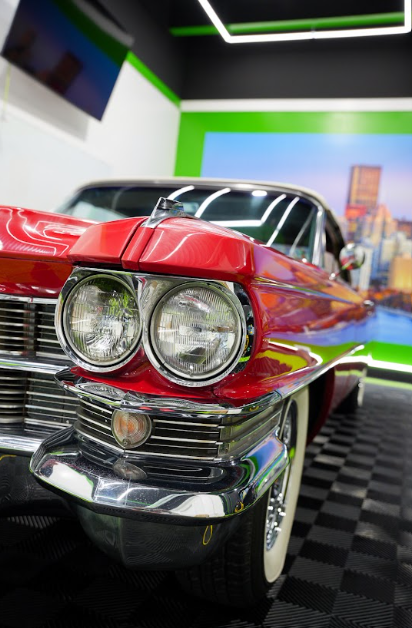
Yes, generally, though paint condition matters considerably more on an older vehicle than a brand-new one. A used vehicle with significant existing wear may genuinely benefit from correction work first — covered in more depth in whether correction should come first — since coating protects existing condition rather than improving it in any meaningful way. Skipping that evaluation entirely and assuming an older vehicle is simply “too far gone” for coating, or conversely assuming any vehicle is automatically ready regardless of its actual condition, are both genuine mistakes worth avoiding before booking any appointment.
Cost Considerations Without a Fixed Number
Coating quotes vary by vehicle size, paint condition, tier selected, and any add-on services chosen — real add-on coatings for wheels and interior surfaces exist as separate options beyond the base exterior coating, each priced apart from the core package. Rather than expecting a single universal price, it’s more useful to understand which variables genuinely affect a quote and ask directly how those variables apply to your specific vehicle and its actual condition.
Paint condition is often genuinely the single biggest variable in why two seemingly similar quotes can differ substantially from each other, since a vehicle needing more extensive correction work built into a higher tier will naturally cost more than one that only needs the standard preparation already included in a lighter package.
Should You Choose Ceramic Coating or PPF?
It depends entirely on what’s actually bothering you about your vehicle’s exterior right now. If rock chips and road debris are the main concern, PPF addresses that directly in a way coating simply cannot, regardless of which specific coating tier is chosen. If easier washing and gloss retention matter more to you personally, coating is the more direct, appropriate fit for that particular priority. How PPF and ceramic coating actually compare covers this decision in considerably more depth, and some owners reasonably choose both — film on the most exposed panels, coating across the rest of the vehicle.
For the fuller picture of coating benefits and maintenance, see Attention II Detail’s ceramic coating maintenance guide, which goes deeper into day-to-day care once a coating is already applied. If you haven’t yet decided whether correction should genuinely happen first, that’s covered separately in this same content series, and Attention II Detail’s Auto Detailing guide for West Mifflin drivers covers ongoing maintenance considerations relevant regardless of which specific protective service you ultimately choose to book.
FAQs
Is ceramic coating worth it on a daily driver? It can be, particularly for owners who park outside regularly and want easier washing and better gloss retention. It’s less clearly worthwhile for owners primarily concerned about rock chips.
Does ceramic coating stop rock chips? No. It’s a thin, bonded layer, not a physical barrier with the thickness to absorb an impact. PPF is the more relevant service for rock-chip protection.
Does ceramic coating make paint scratch-proof? No. Coating adds a protective surface layer, but it doesn’t make paint immune to scratches from normal contact or road debris.
Does a coated car still need washing? Yes. Coating makes washing easier by helping contamination rinse away more readily, but it doesn’t replace regular washing or periodic detailing.
Can you ceramic coat an older vehicle? Yes, though existing paint condition matters more than on a new vehicle. Correction work may be worth considering first if wear is significant.
Is ceramic coating worth it if the vehicle is parked outside? Often, yes — outdoor-parked vehicles tend to see the most practical benefit from coating’s easier-maintenance and gloss-retention advantages.
Should I choose ceramic coating or PPF? It depends on your main concern. Rock chips and physical damage point toward PPF; easier washing and gloss retention point toward ceramic coating.